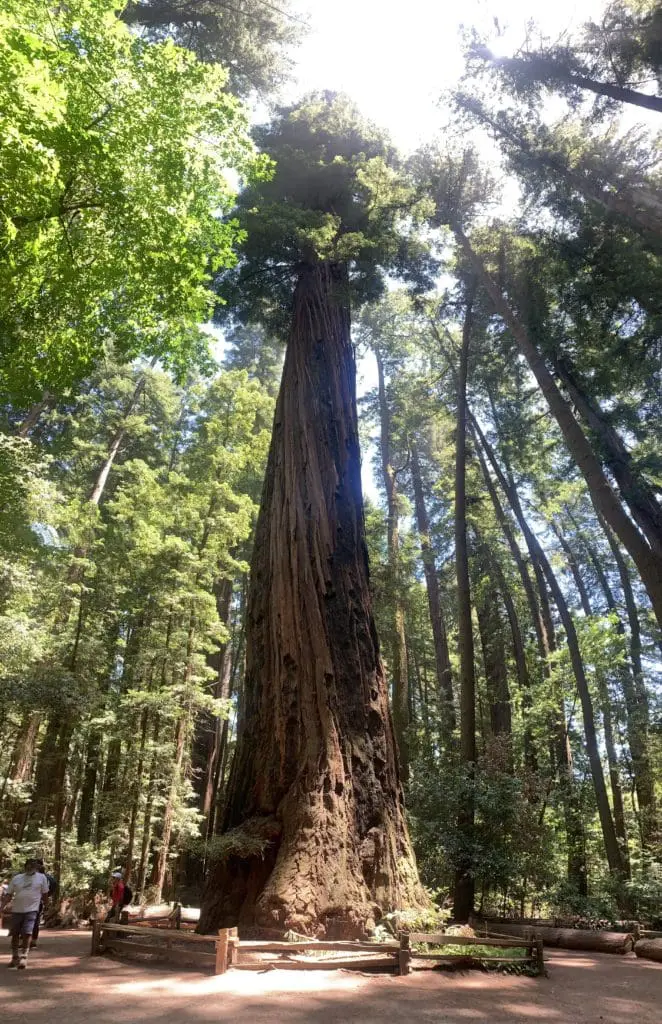
The one word that perfectly describes the past few weeks would be exploration. In all different meanings: mental exploration and physical exploration. Now that I am back in California in between research trips, I’ve had the chance to explore terrestrial and marine environments of the local area. The day after the Mexico trip, I saw some Redwoods up close for the first time. There were so many people of different backgrounds enjoying the park and the educational trail guides. Parks are great protected lands that improve water quality, provide vegetative buffers to development, produce habitat for wildlife, and provide a place for children and families to connect with nature. It made me think of ways to get people to connect with the ocean like they do with forests. Engaging people from a variety of genders, ethnicities, sexual orientations, perspectives, backgrounds, areas of expertise, religions, cultures, and other variables to connect with nature and science is so important and this small exploration allowed me to really dig deep in thought about the availability of the ocean life to diverse groups of people. This was a great experience out of the water and a fun break before diving into more dive-related activities in Moss Landing.
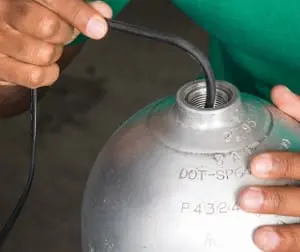
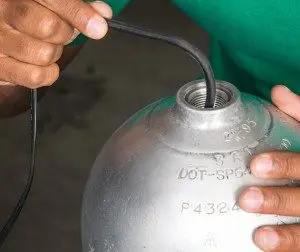
I am so lucky that I get to learn about not only research diving techniques, but also about dive safety, gear maintenance, and dive planning. I shadowed the Assistant Dive Safety Officer at Moss Landing Marine Labs, Shelby Penn, for a few days and got to learn and help on various tasks. On the first day, tasks consisted of reorganizing tank records that Moss Landing keeps and I learned about tumbling tanks, hydrostatic testing, and much more. The second day, Shelby showed me how to visually inspect tanks and all the workings inside the valve. We inspected a few tanks after emptying them, by inspecting the inside for rust and bumps, cleaning out the tank, switching some new parts for the valve, and cleaning the valve. I can now say with confidence that I can put a valve back together!
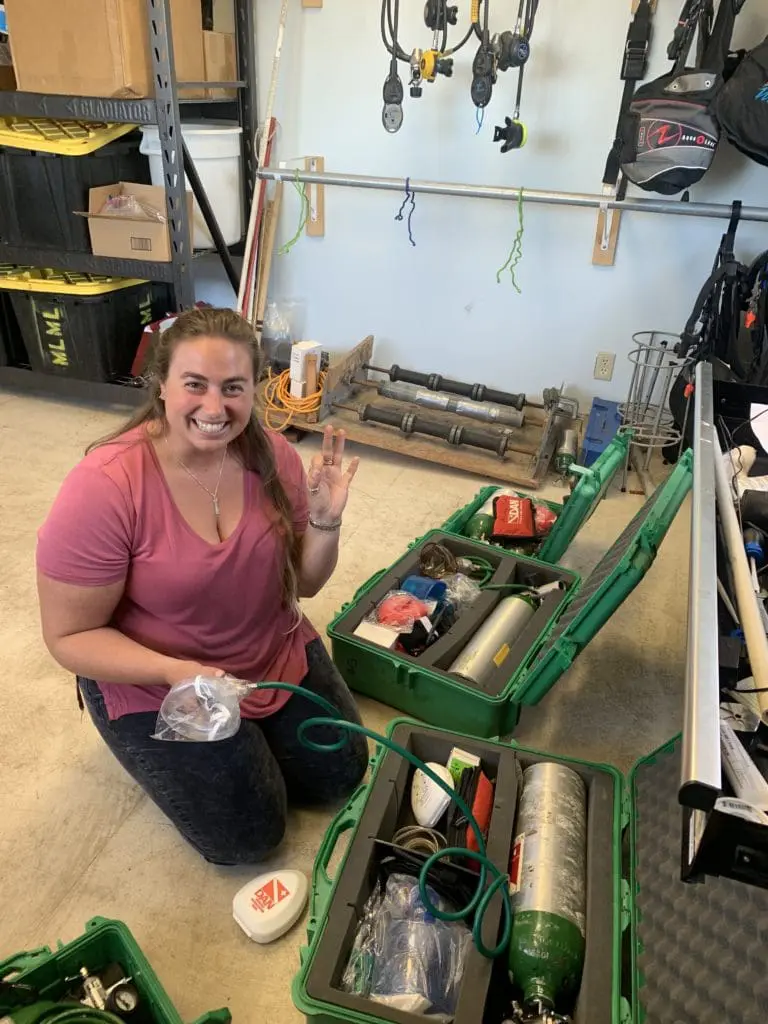
On the last day, we did maintenance on some Oxygen Kits at Marine Operations and added in new gear, replaced some old parts, and updated the records. This taught me more about the proper gear to keep in oxygen kits and made me more familiar with these important safety tools. Now I know exactly what goes into emergency O2 first aid, as well as other first aid techniques I learned in DAN’s Diving First Aid for Dive Professionals (DFA Pro) course that I took at the beginning of the internship.
Besides learning about dive safety, I got to assist a Moss Landing graduate student, Max Rintoul, with his thesis project focused on kelp growth at Granite Canyon with another Moss Student, Dan Gossard. I learned more and more about the history of MLML and several grad students’ experiences. From how they created their research project, worked through stages of revisions with their advisor and mentors, actually going out in the field (or lab) to observe or conduct experiments, and finally working through samples/data to answer their research question.
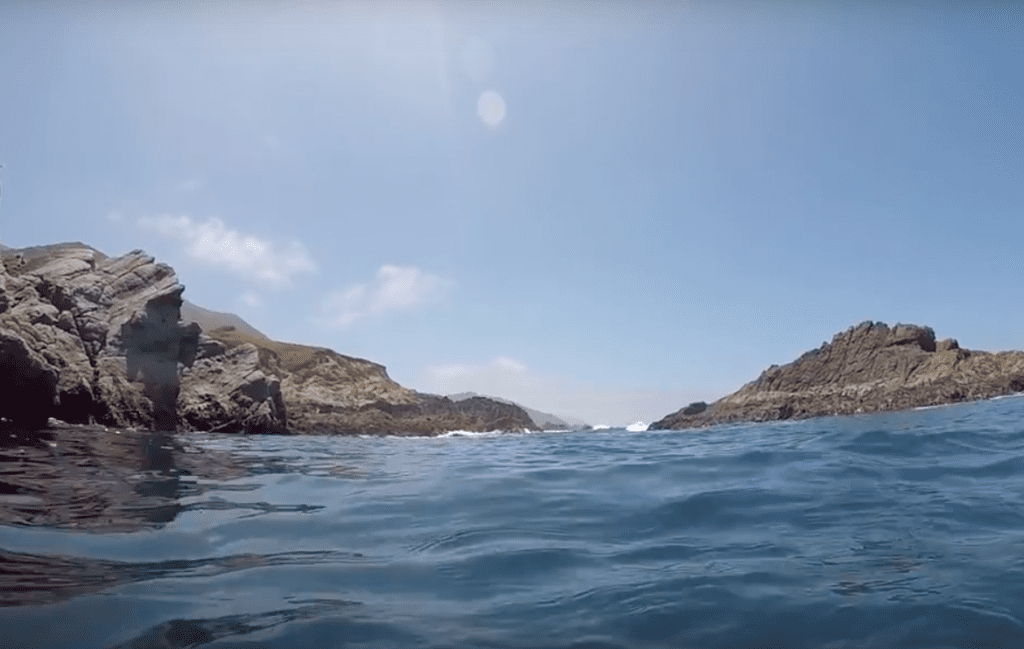

Moss Landing Marine Laboratories administers the Master of Science in marine science program for California State Universities in northern and central California and is dedicated to both education and research. It is so great to meet graduate students who work at Moss Landing but are from different California State Universities. I love the collaboration between the students and faculty, between lab members, and between different labs entirely. When you’re a scientist, one of the best parts of the job is getting to work with other scientists. It’s sharing your ideas with other people and together creating the best science that you can. I am super excited to work with more scientists especially since I am going to Catalina Island in a few days to help with multiple Rhodolith projects! More on that next time!