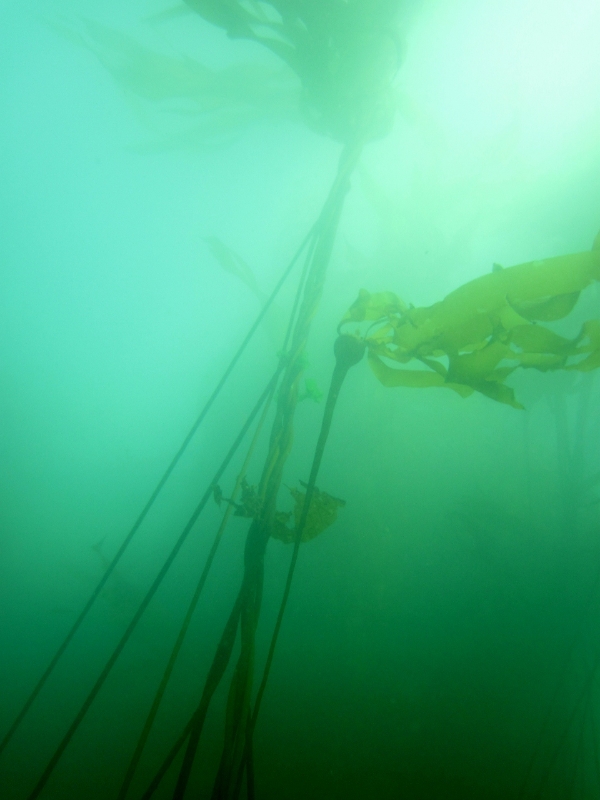
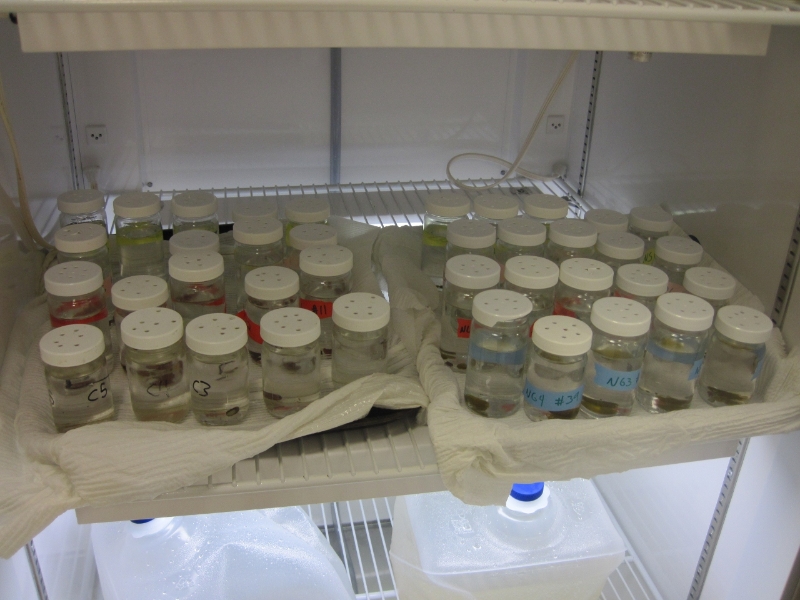
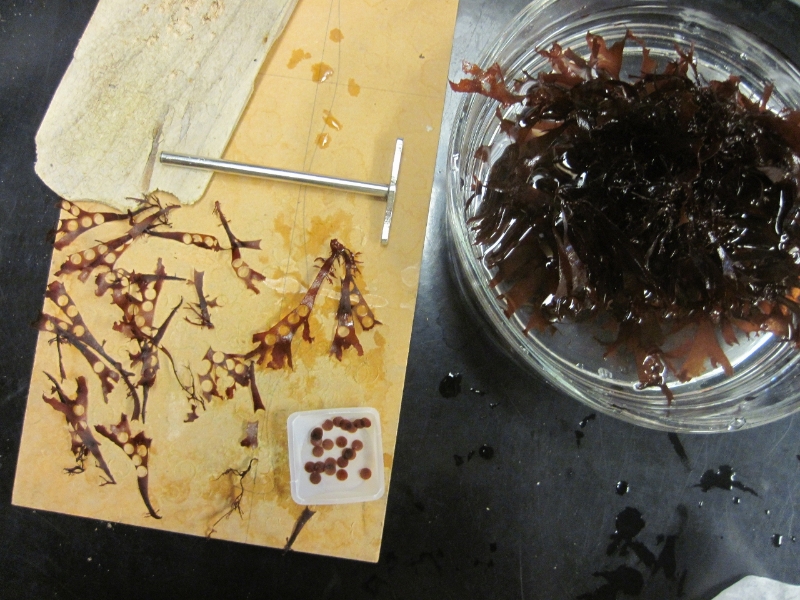
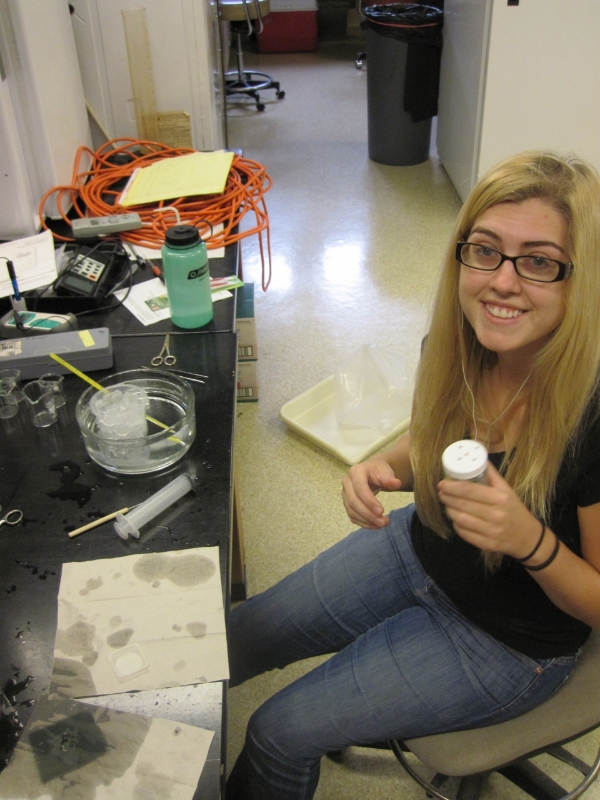
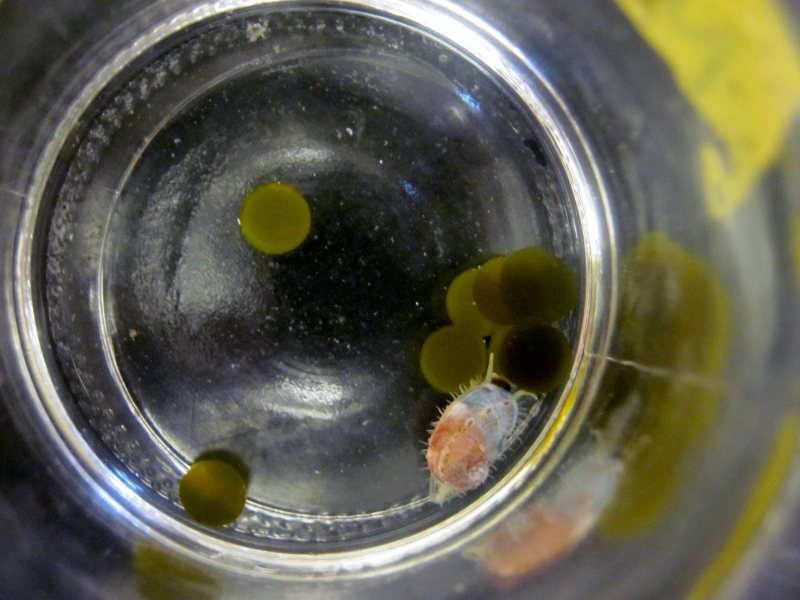
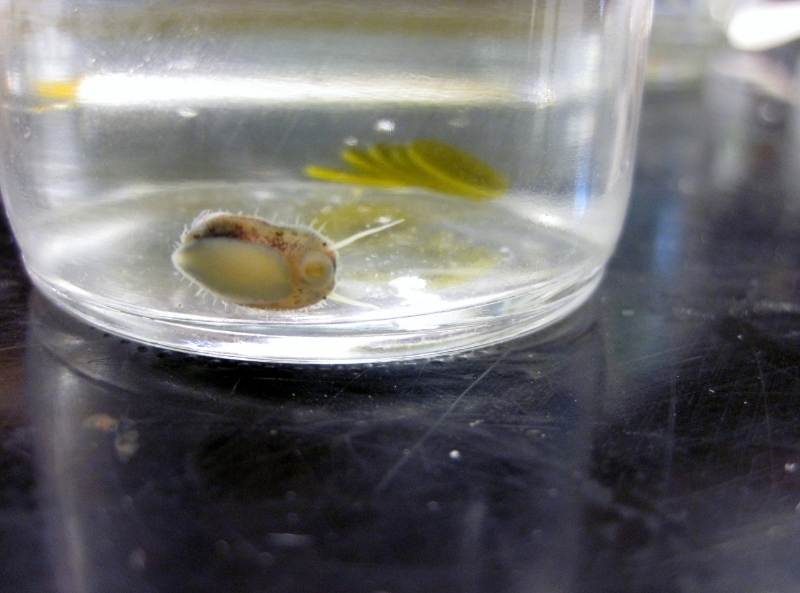
Anne B. is in the middle of her abalone weaning project. She is looking at how the type and size of algae will affect growth rate. In the hatchery juvenile abalone switch from feeding on biofilms to macro algae diets at around 6 months of age. Her study has implications for the abalone hatchery to help them determine best the size and type of algae to feed the juveniles at this stage during weaning. Anne is using Dulse (a Palmaria species) and Bull Kelp (Nereocystis leutkeana) for her project. It has been fun helping every three days punching out different sizes, weighing algae, and feeding the juvenile abalone.
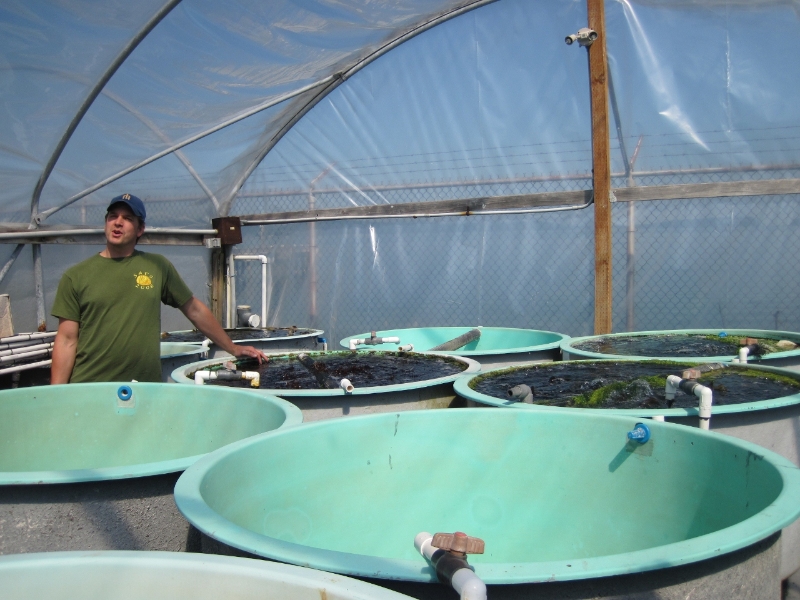
Last week Dr. Dinnel, Anne and I went down to the abalone hatchery to pick up some more dulse for Anne’s feeding project. The abalone hatchery is located at the Mukilteo NOAA center, located north of Seattle. Josh and Paul Pratt (a past Shannon Pt. REU abalone intern) showed us around the hatchery. A few highlights included learning about the complexity of the spawning process and a seeing a few rockfish larvae.
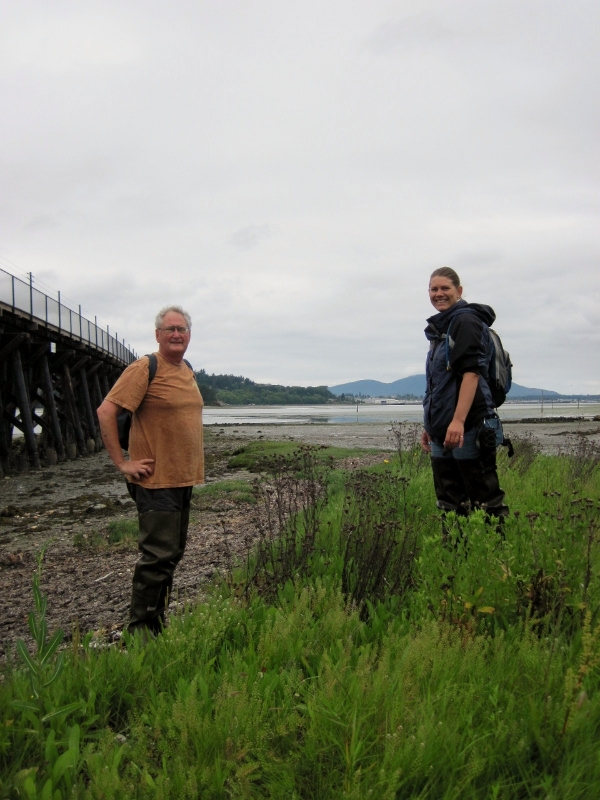
Native Oyster restoration is another project Dr. Dinnel is working on. These oysters were once indigenous to Washington waters, but the population has declined severely and in many locations the Pacific Oyster now dominates. In 2002 Native oysters seeds were introduced to a site in Fidalgo bay to reintroduce Native oyster beds. The oysters were seeded along a bike path over the bay, known as the “Trestle”. Dr. Dinnel and Kailey Gabrian-Voorhees (the summer oyster intern) go out on the low tides to count native oysters and also to look at substrate characteristics of the surrounding areas. They know where the native oysters seeds were planted so they can assume that any oysters found along the Trestle outside of the seeding site are from a successful spawn of the original seeds. The pilings for the Trestle are used as a reference points for gathering data on where the native oysters are found. If you would like to learn more about Kailey’s project please check out her blog.
http://shecountsseashells.blogspot.com/
I have gone out with Dr. Dinnel and Kailey a few times on low tides to help out with tackling their huge sample area. Sliding around in the mud is fun but also hard work. Dr. Dinnel, Kailey and their volunteers are hardcore!
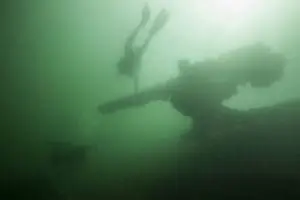
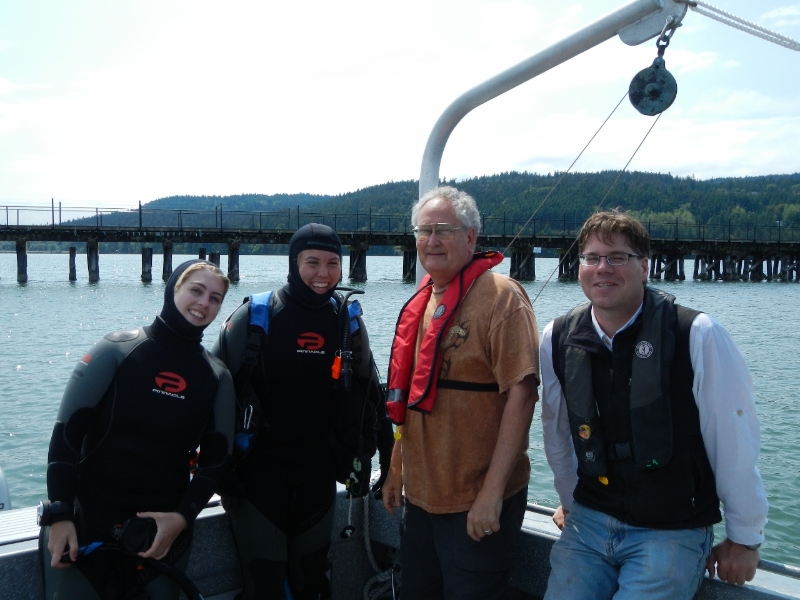
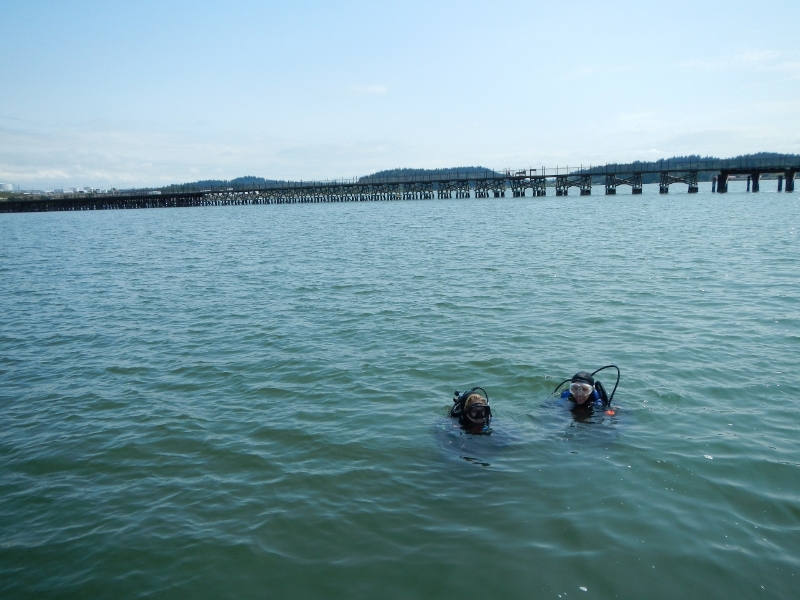
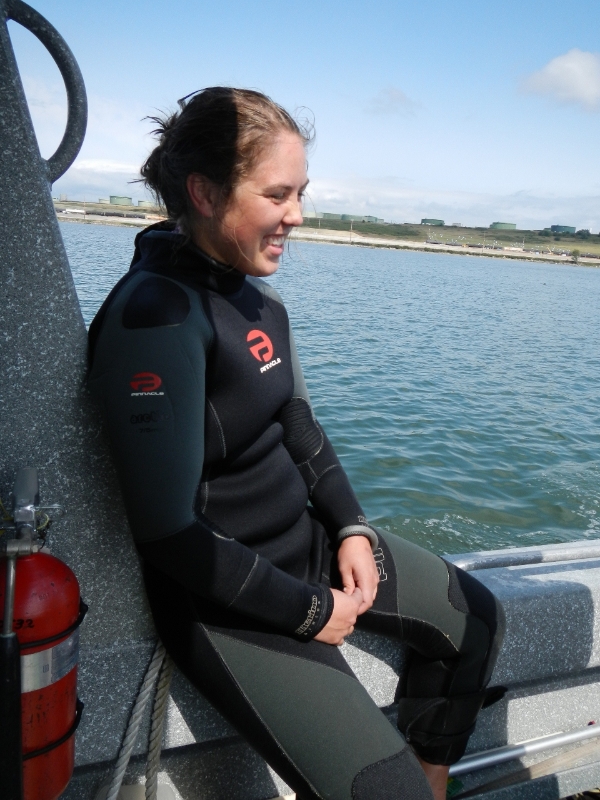
Fidalgo Bay is flat and muddy and like all estuaries has a channel system. Dr. Dinnel has been curious about one of the channels for a while because even on very low tides it remains covered with water. There are rumors that there is a native oysters bed in this channel so Dr. Dinnel invited Anne B. and I to do a dive to investigate. The visibility was less than ½ a foot, but the depth was only 15 feet at max making the dive doable. Anne and I would descend, feel the bottom with our flippers, and then swim side by side with our faces 5 inches from the very muddy bottom. We did not find any native oysters, but Anne surfaced with a pretty awesome “chocolate silt mustache” around her reg.


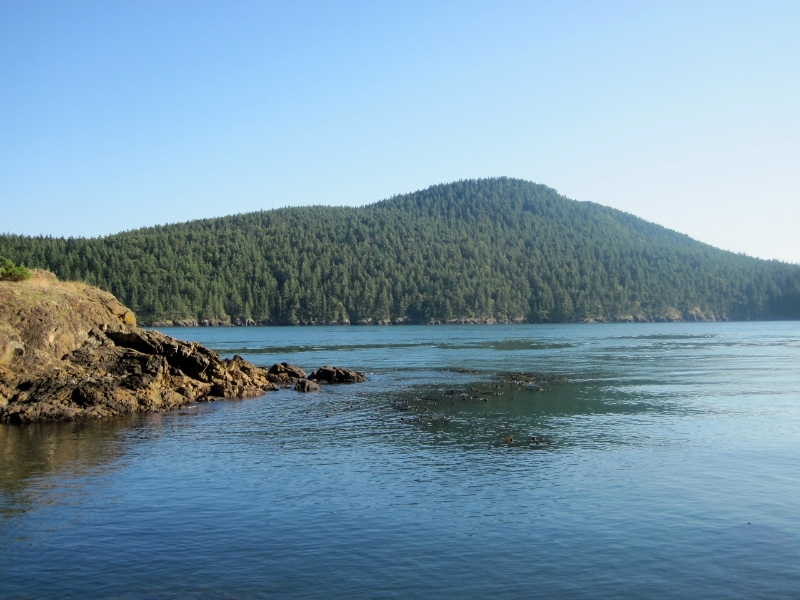
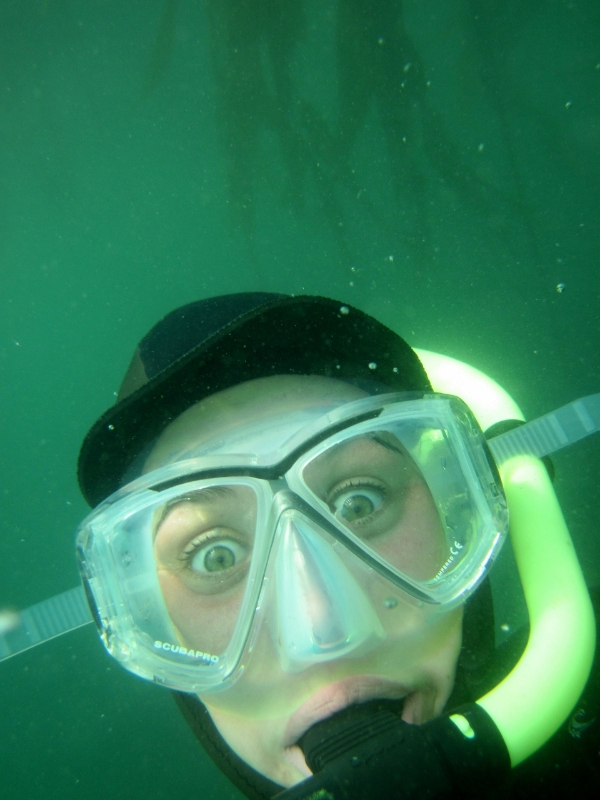
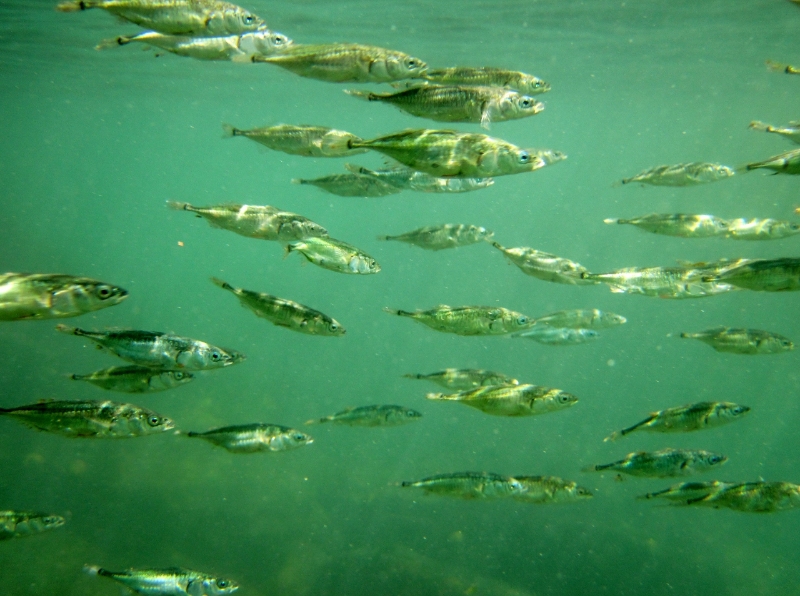
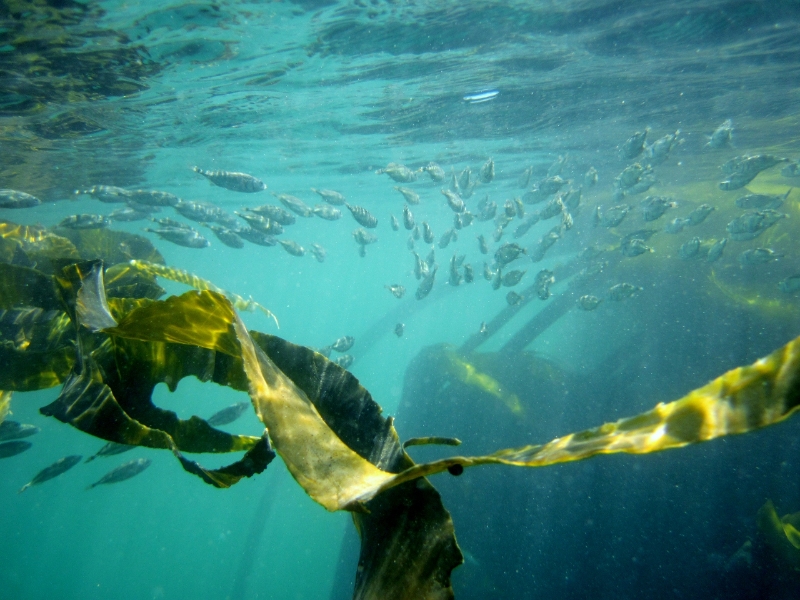
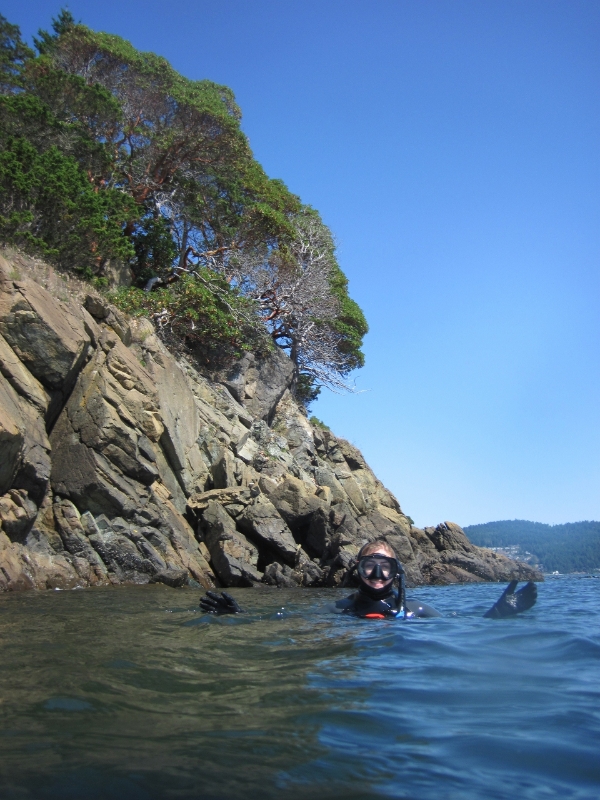
Anne and I recently whet on a snorkel to do some free diving at favorite spot in a nearby Anacortes park.