
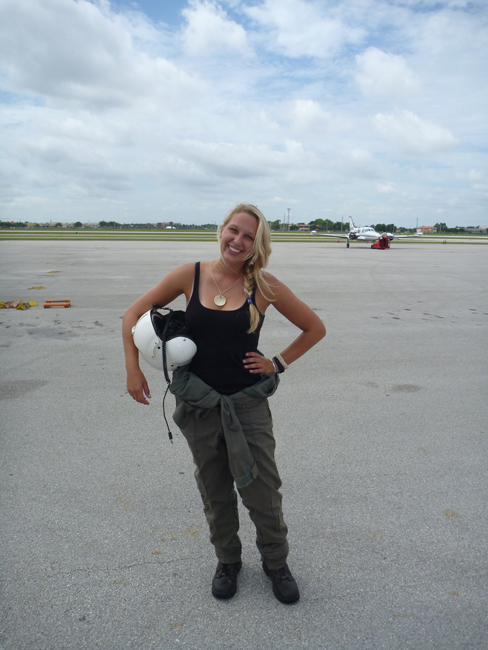
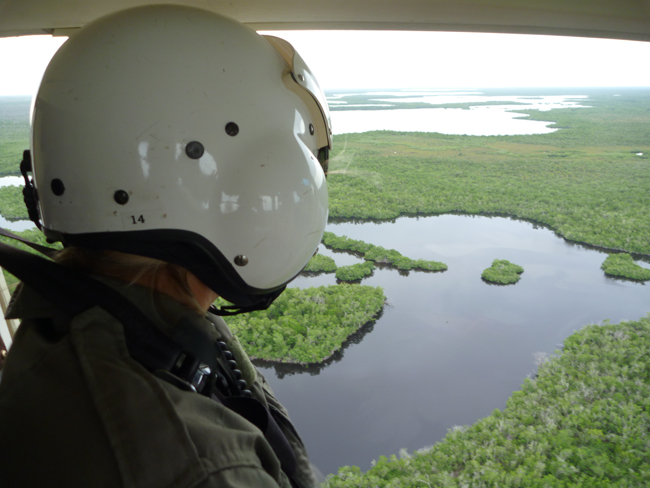
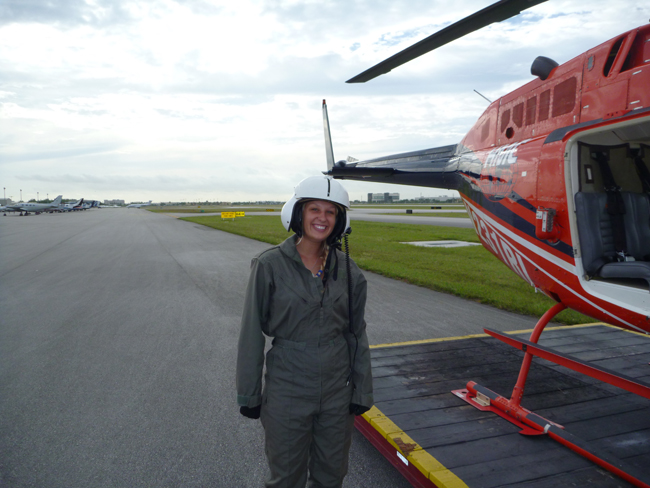
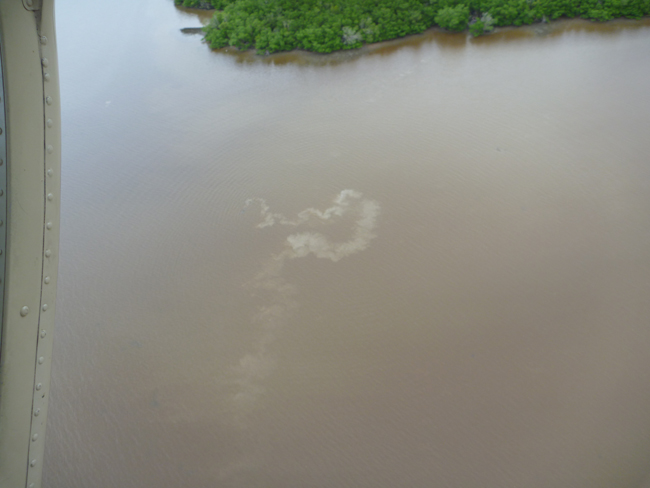
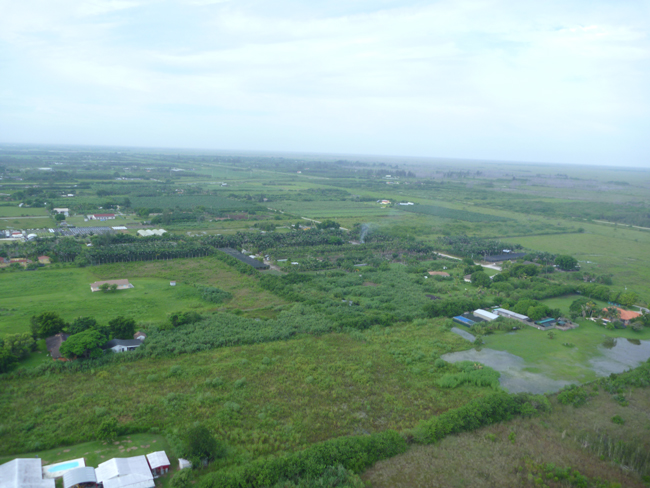
On one of my days off while interning at Biscayne National Park, I got an unexpected opportunity to take a two hour helicopter ride over Everglades National Park, which is not far from Biscayne. Having never been in a helicopter before, I could feel my heart race as we lifted off of the ground and into the air. The propeller spun with a choppy roar as I looked out the side, which had no doors, and felt the wind hit my face. The ride was smooth and didn’t feel as though we were going as fast as we were. It felt as though we were just floating through the air above the city below us which slowly turned to marshland as we ventured away from the airport.
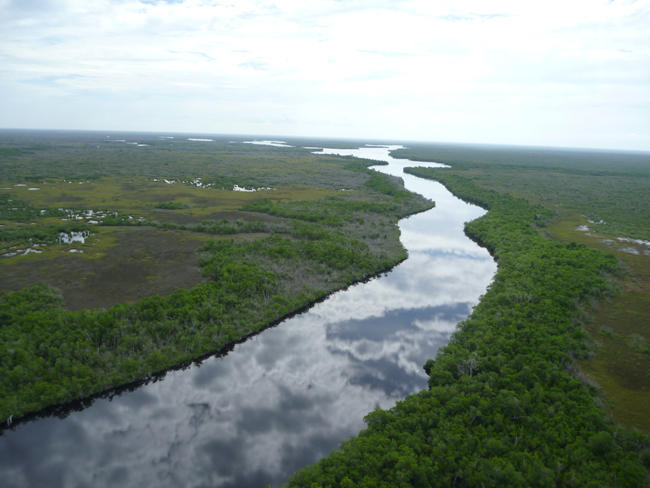
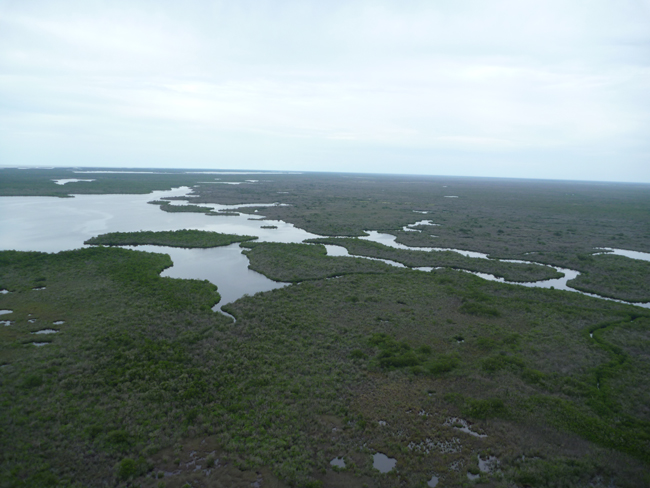
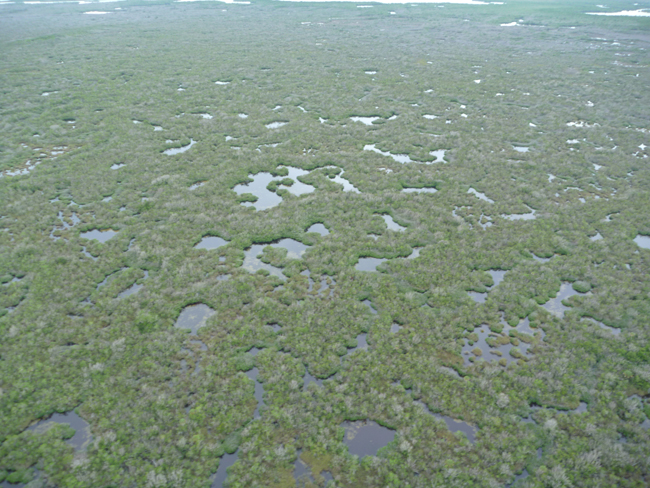
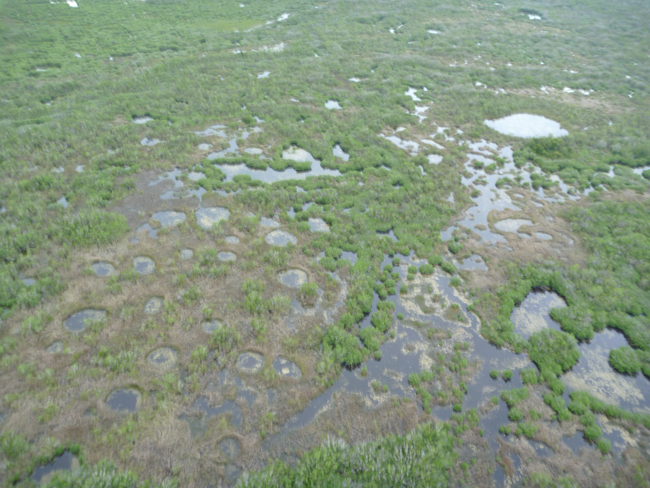
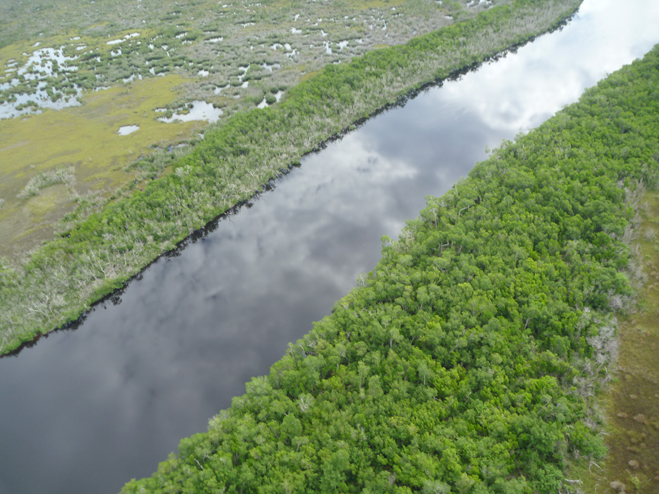
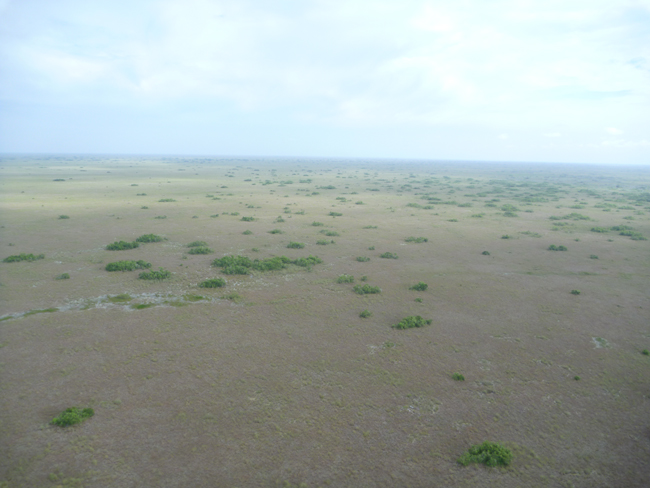
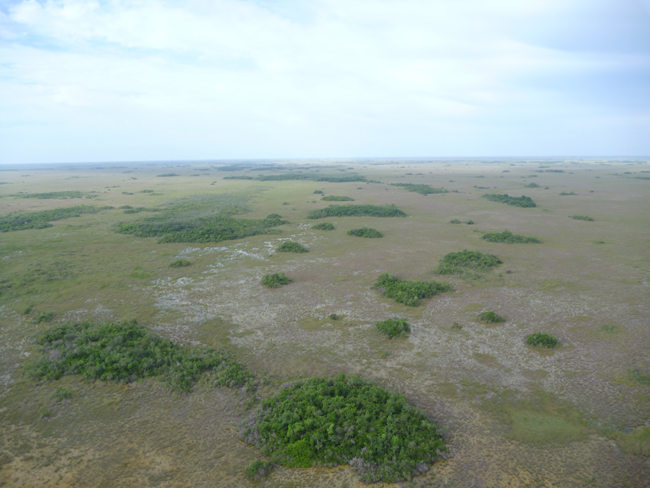
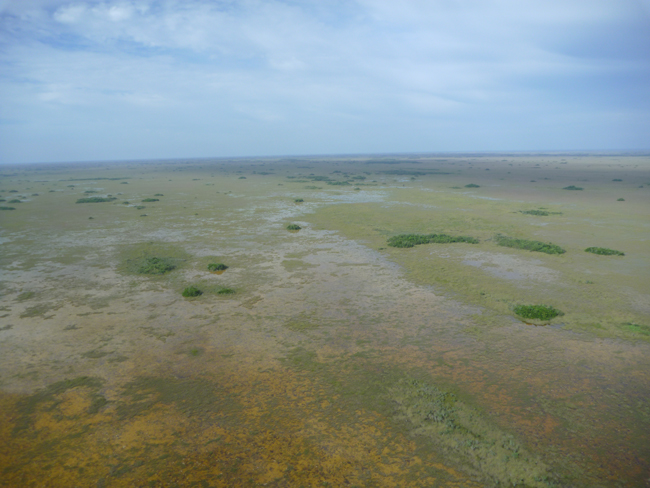
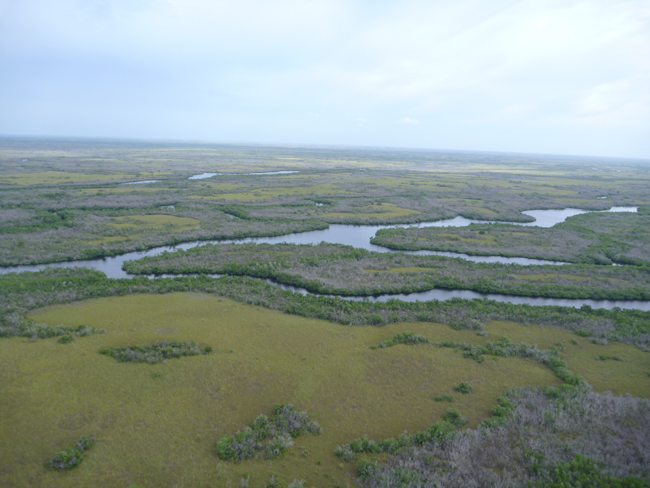
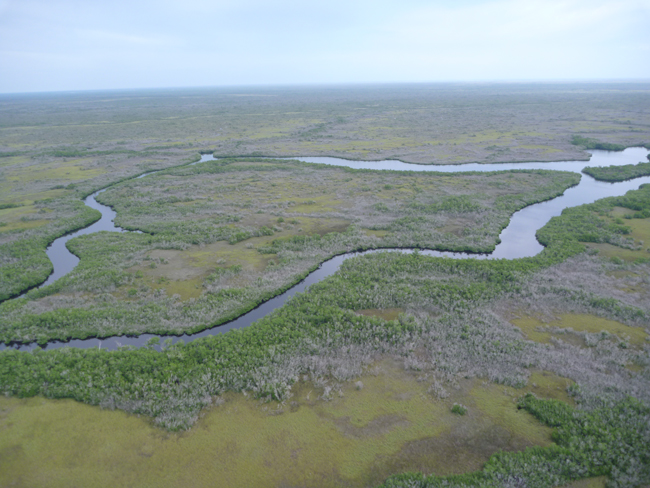
From what I had learned earlier, Lake Okeechobee sits at a higher elevation north of the Everglades and contributes to the unique ecosystem found below it. During the rainy season, it overflows and sends the water down to the lower elevation south of the lake. From there, it spreads out and covers the porous limestone ground while flowing to the sea, serving as the lifeblood to the Everglades. The marshes there looked like they were solid ground until the reflection of the clouds could be seen peeking through the blades of grass below us. The freshwater sloughs and prairies were yellow in color which I learned was a result of periphyton, a type of algae mixture at the bottom of the food chain for all of the animals in this ecosystem.
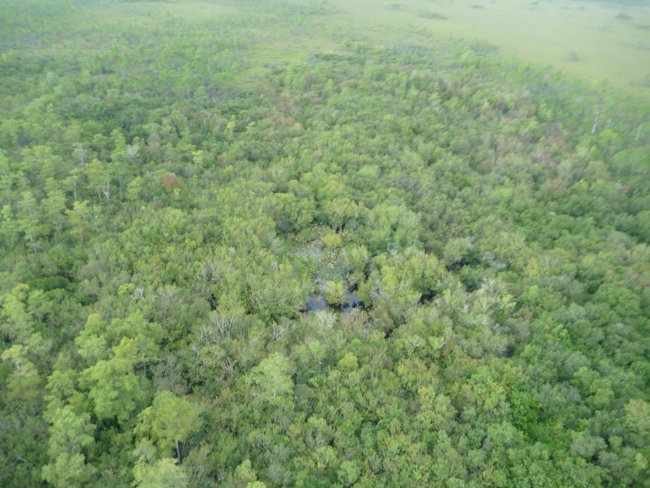
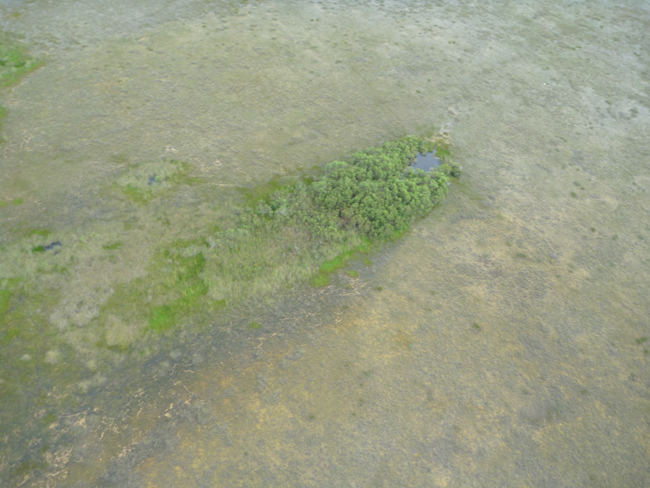
Areas of slightly higher elevation poke out from the water and are dry enough to allow trees to take root. These areas are known as tree islands and are shaped like tear drops from the air, a result of years of water flowing around them.
As we flew west, the landscape began to change. The sawgrass marshes gave way to large stands of cypress tress, the namesake of Big Cypress National Preserve, which borders the Everglades to the north. Also, instead of the entire landscape being covered with water, there were more lakes which I was told are referred to as “Gator Holes.”
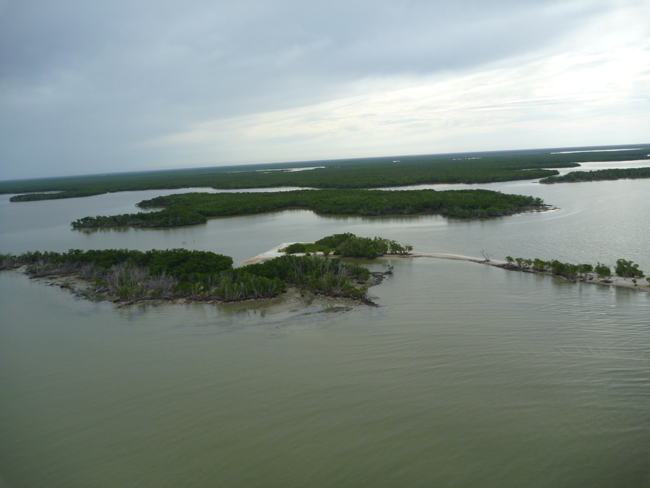
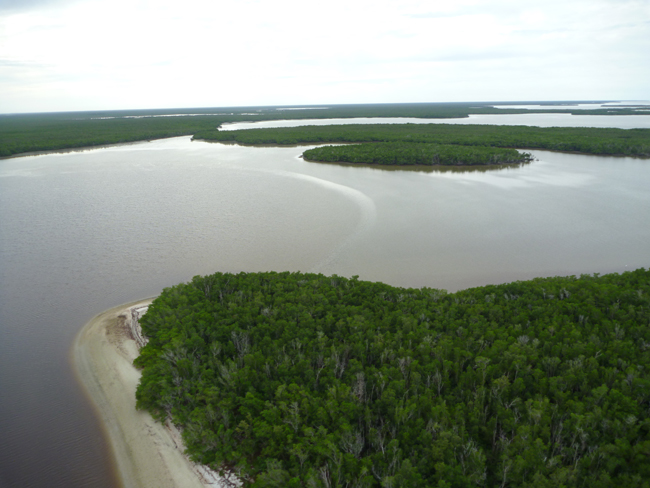
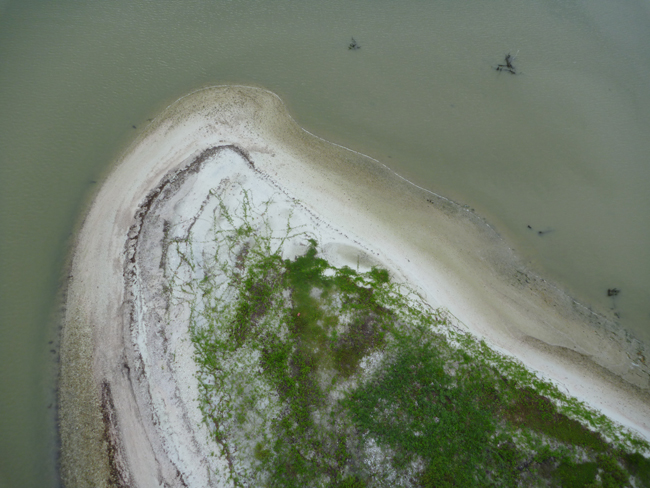
Farther west, the rivers became defined and mangroves began to appear below us. Then we flew over the Gulf of Mexico in a district of the park called Ten Thousand Islands. Here, thousands of little spots of land were scattered just off of the coast. Flying above we saw pink spoonbill birds, eagles, and cormorants, as well as dolphins, sharks, and at least 20 alligators off the shore of one small island.
On our way back to the airport we flew over the site of two wrecked airplanes, the result of a mid-air collision dating to the cold war.
All and all, I was so impressed by the diverse landscape and ecosystems I managed to see in such a short amount of time. From above, the specialness of the Everglades was immediately evident and I became aware of how important it is for the National Park Service to protect this area and keep it pristine. Wow!
Thank you so much to Keith Whisenant, Mike Barron, Henry Delvalle, and Paul O’Dell for an impressive once in a life time experience that was completely unforgettable!

One Response
Brie – Wonderful writing and description of your flight via helicopter over the Everglades. Coupled with the photos, I imagined being along with you on the spectacular ride. Love the photo of you with the missing caption, “Wow, did I have fun!”