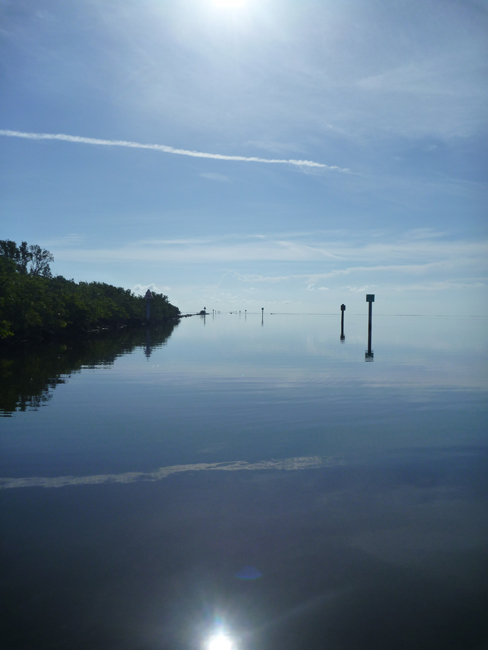
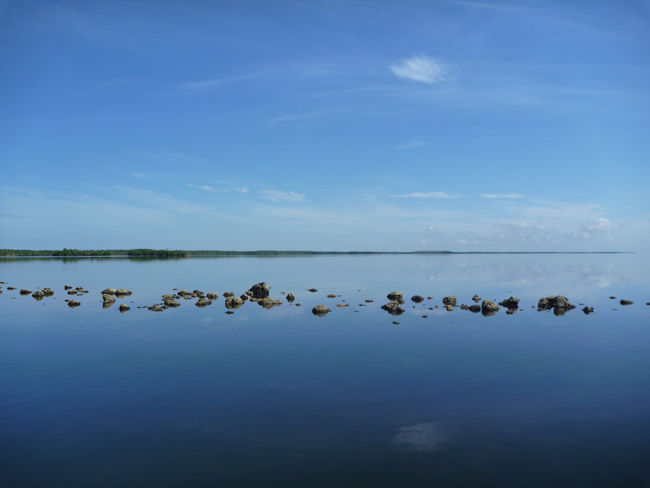
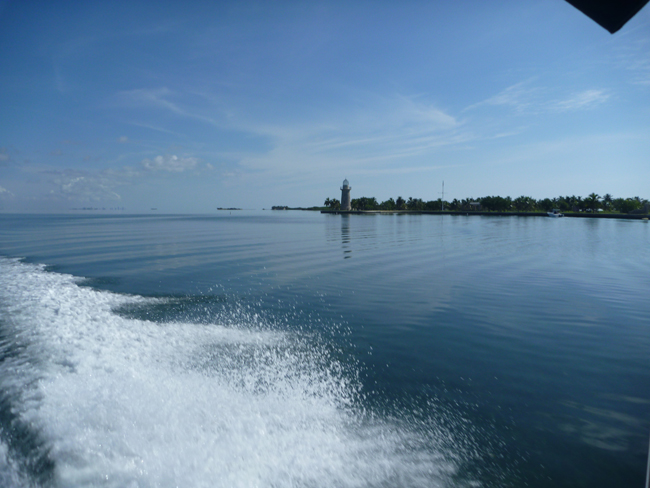
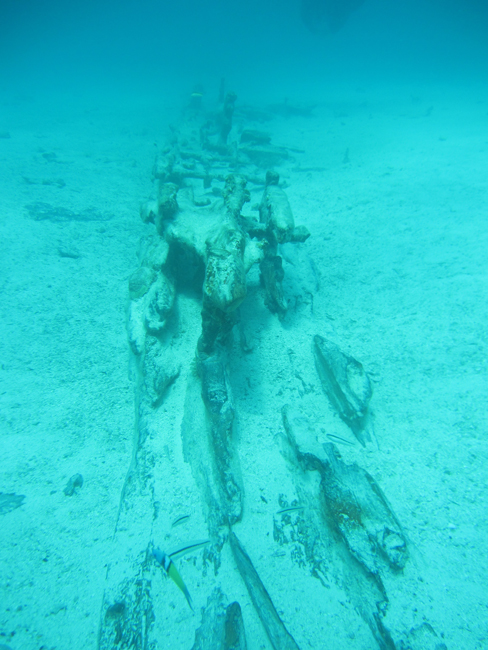
Within 24 hours of arriving at Biscayne National Park, I had seen thunderstorms, an alligator, sea turtles, a manatee, frogs, blue crabs and the biggest spider I had ever seen in my life! Needless to say I was impressed by the landscape and amount of biodiversity I found in one small area. When we went out on the boat, I was amazed at the clarity of the water but also by how shallow it was. It made me understand why there were so many shipwrecks here when we had to slow down in our little boat in certain areas so we didn’t hit the bottom. Also, it stayed shallow for miles offshore. Once again I was back in the warm turquoise waters off of southern Florida and no longer needed to wear a wetsuit. The first week I was there I worked with Chuck Lawson, Archaeologist and Cultural Resources Manager, to survey the shipwrecks that were scattered about the park. Chuck checks on the wrecks annually to look for any changes such as natural degradation or signs of looting as well as making notes of portable artifacts or any other significant details.
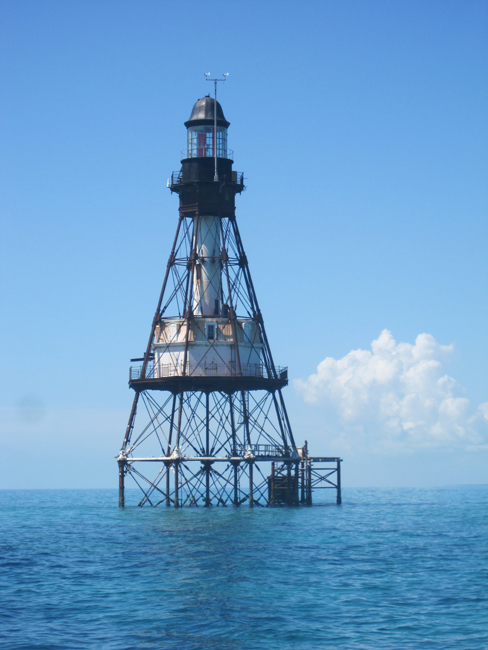
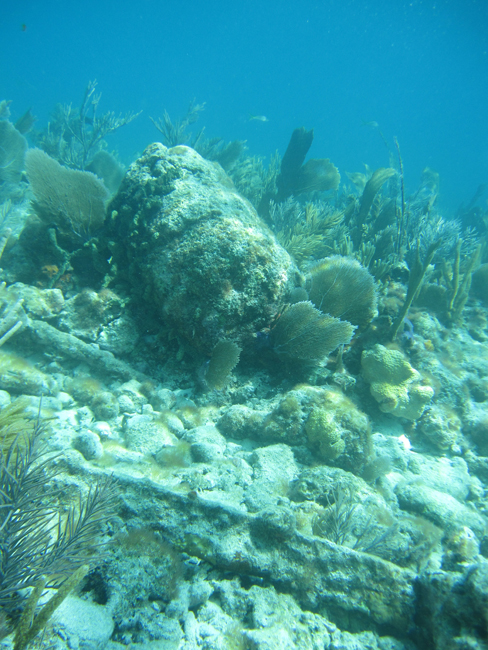
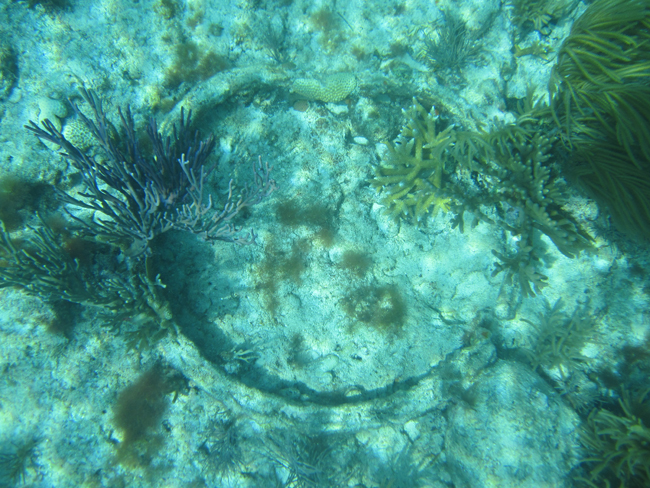
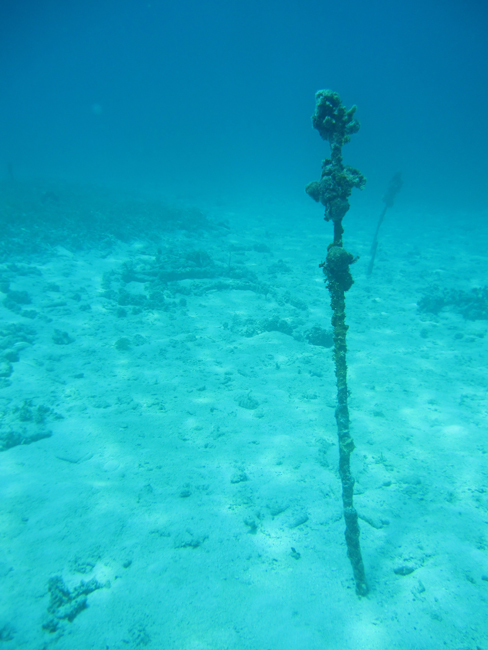
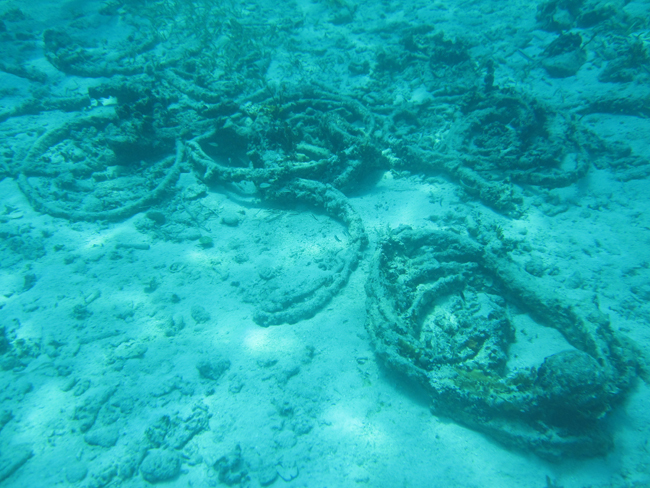
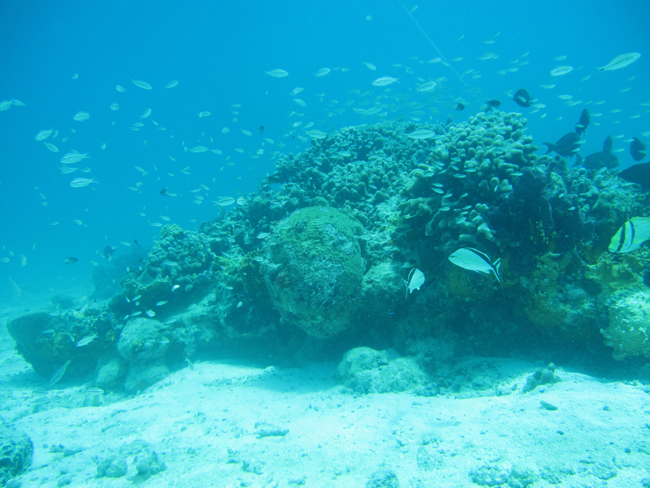
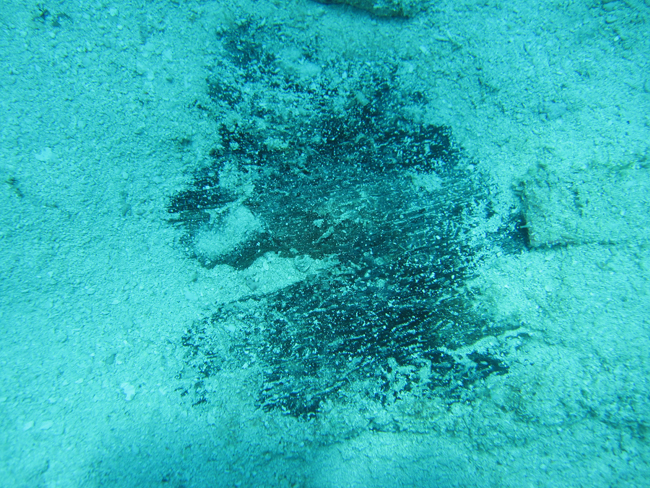
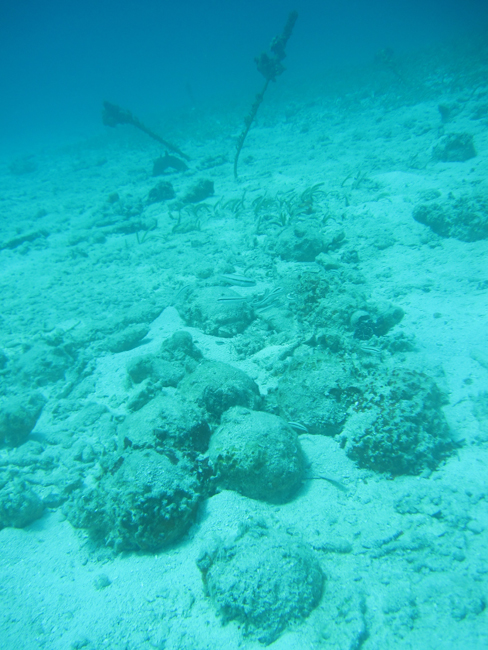
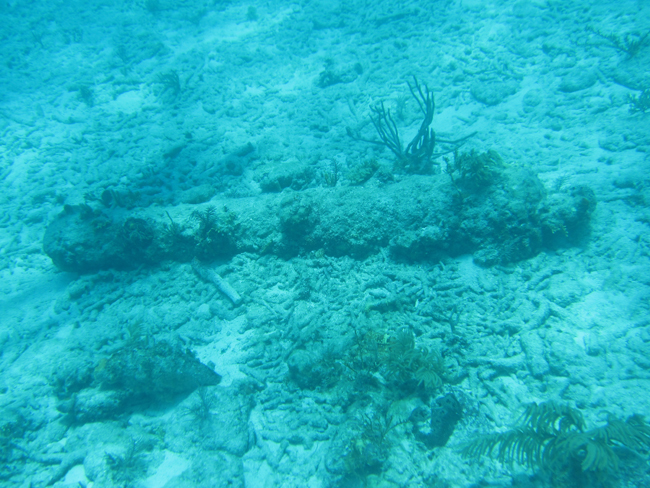
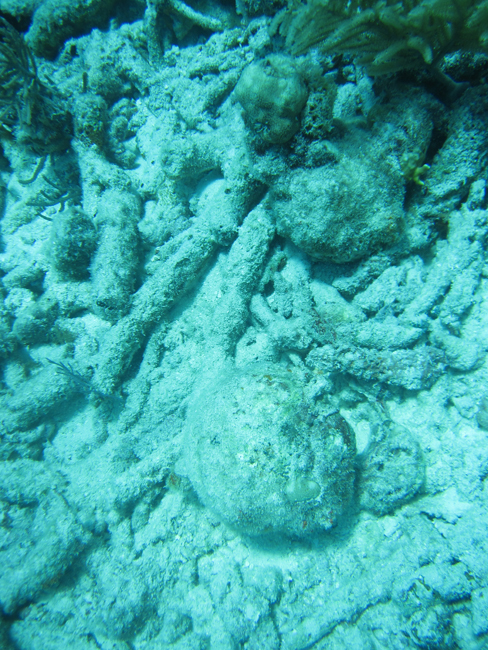
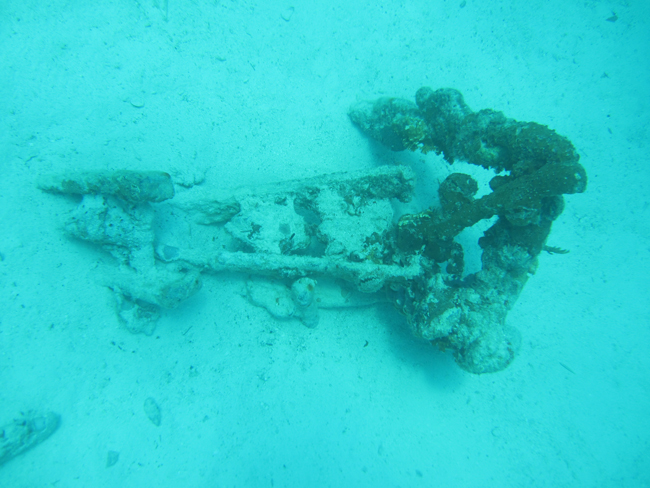
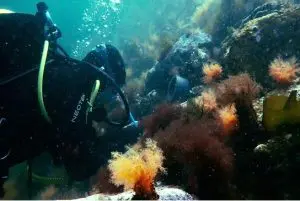
The mission of the National Park Service is taken from the Organic Act of 1916 with the intention to “Conserve the scenery and the natural and historic objects and wildlife therein, and to provide for the enjoyment of the same in such manner and by such means as will leave them unimpaired for the enjoyment of future generations.” If Chuck finds any significant issues with a wreck, his goal is to change the management of the resources in order to be congruent with the mission statement and keep resources “unimpaired.” In order to protect the secrecy of the wrecks I have not labeled the photos, but during the week I surveyed the Leadbury Reef Wreck, the Fowey, Triumph Reef Ballast, Long Reef Cannon, Ring Wreck, Outline Wreck, the Lugano, the Mandalay, Erl King, Captain Ed’s Populo, Pacific Reef Wreck, Second Wreck, Alicia, Keel Showing Wreck, Arratooon Apcar, Fowey Rocks Barrels, Boxcar Wreck, and English China. I had never before in my life seen so many wrecks and structures at the bottom of the sea and looked at them with awe and wonder. There is something magical and mysterious about shipwrecks and it made me understand the thrill that comes with diving wrecks. For me though, the true thrill was to be able to dive and explore the wrecks and still see the structures and artifacts intact.
In 1979 there was a significant lawsuit involving the person who found and claimed salvage rights on the HMS Fowey. The National Park Service won the case claiming that since it was in Biscayne National Park it was public property and part of the United State’s heritage and should be managed in the best interests of the American people instead of being salvaged and sold for private profit.
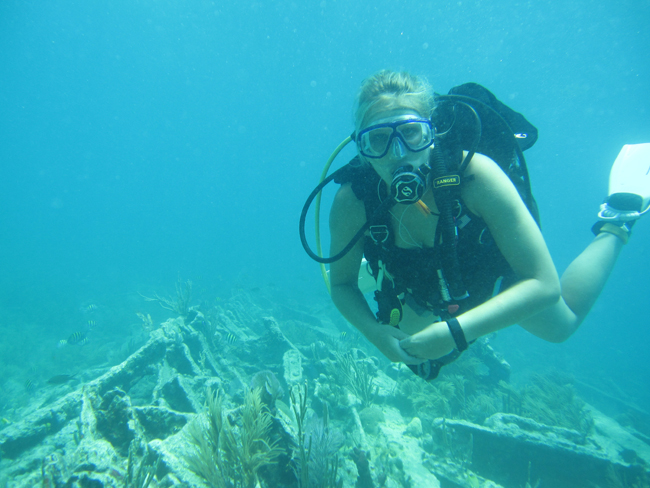
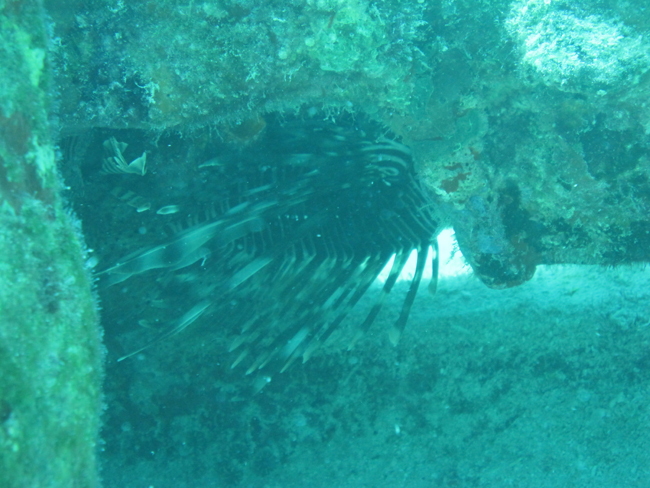
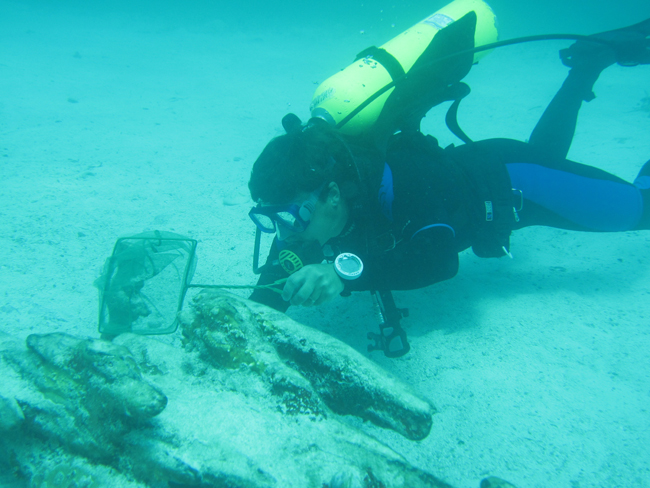
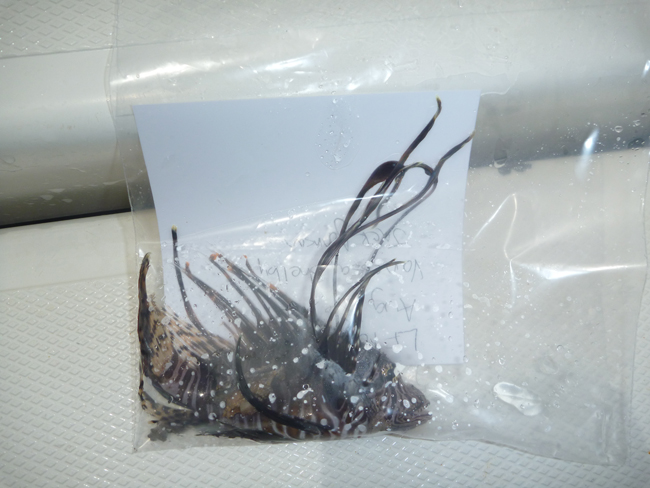
The next week I took the National Park Service “Blue Card” Diver Annual Refresher Course in which certified park service divers have to run through a series of drills to keep their skills sharp and maintain their certification. The criteria included swimming 2,700 feet with a mask, fins, and a snorkel within 18 minutes, demonstrating three entries with SCUBA, buddy breathing, ditch and recovery, towing another diver, and rescuing and towing another diver for 25 yards. “Buddy breathing” is when one regulator is shared between two divers when one diver takes two breaths and passes it off and then exhales while the other diver takes their two breaths. Also, a “ditch and recovery” is when the diver removes all of their gear including their fins and mask, turns off their air, swims away while exhaling, and swims back to their gear to put it all back on. Holding your breath underwater while breathing compressed air at depth can have dangerous physiological consequences and doing so during the skills test will cause you to fail the refresher course. After the course was finished, the group searched for and captured invasive lionfish. Also, on one of the wrecks I dove the previous week we found an invasive lionfish and Chuck promptly removed it.
All and all I enjoyed the amazing weather at Biscayne and saw some great wrecks as well as refreshing my NPS diving certification. Thanks so much to Chuck Lawson, Shelby Moneysmith, Vanessa McDonough, Paul O’Dell, James Johnson, Amy Renshaw, Tom Strom, Doug Morrison, and Captain Bob.
To learn more about the ships that are part of the Maritime Heritage Trail in Biscayne National Park visit: http://www.nps.gov/bisc/historyculture/maritime-heritage-trail.htm

3 Responses
Hi Brie
How fascinating to requalify for safety sake as a diver. My only experience that might be similar was as a young submarine sailor needing to qualify for escape from a downed sub at the 100 foot Submarine Escape Training Tower, Pearl Harbor. Starting at the bottom of the tower, using a Momsen lung, a primitive underwater rebreather in a pressurized compartment partially filled with water, we placed on the mask of the lung and left through an underwater hatch, and ascended to the top of the water-filled tower/tank. Even though your ordeal seems a lot harder, I was very anxious.
It is also sad twofold about the wrecks on the ocean floor that you dove. Realistically, they more than likely represent a significant loss of life. Secondly, the ocean floor, from my perspective, doesn’t gain any appreciable beauty in my eyes with the clutter. Regardless, I’ve been informed that you folks get an immense amount of pleasure by diving wrecks. Oh well–I guess I’m just some sort of purist.
Regardless, it is all quite interesting and I know worthwhile.
Hi Brie
im going with my class to biscayne national park after spring break.We are so excited,we’re going to swim and do scientifc research.We are going to be there all day.We even have our own checklist.I have always loved science.One day im going to become a doctor.Have any advice?
Hi Lilly!
You’re so lucky that you get to swim and do research in Biscayne National Park! That was one of my favorite parks, the water is so warm and there are lots of colorful fish to see. Also, I really liked the different types of sponges there. You will have lots of fun checking them off of your checklist! I love science too and I am glad to hear that you want to be a doctor. My advice to you would be to do your best in school to get good grades. Also, take as many science and match classes as possible. The earlier you start, the better off you will be. In addition, wear lots of sunscreen in Biscayne and always swim with a buddy! Good luck and have a great trip! Thank you for taking the time to read my blog!
Sincerely,
Brie