
Fish Survey Diving
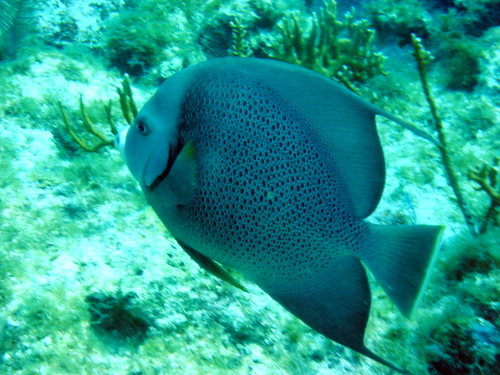
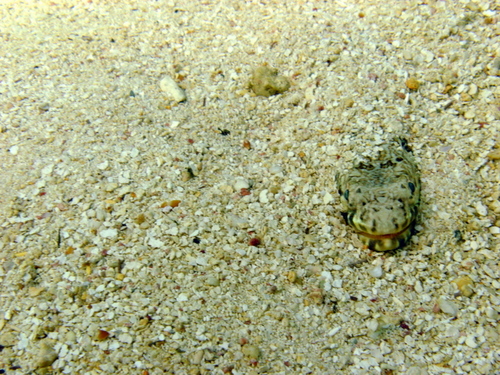
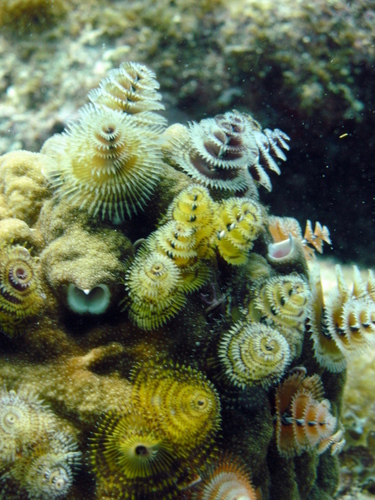
REEF’s volunteer fish survey project begun in 1990 and has since accumulated over 160,500 surveys. The project (and REEF itself in a way) is built on the idea of the “citizen scientist”—everyday people who have a passion for the ocean can contribute to scientific research and marine management without having any formal training. In other words, the survey method was designed so anyone, not just a seasoned researcher, can get in the water and do a fish count. All they have to do is be able to identify one fish!
At first I was actually a little nervous about the whole “being able to ID one fish” concept because I spent the last two years of my life in the western Pacific and lets face it, I was usually more focused on the coral and nudibranchs… Turns out you pick up the IDs really REALLY quickly. After only a few survey dives I’m fairly confident on the most common sightings, so to keep things interesting I’ve given myself the task of finding a new species (unknown to me that is) on every dive and/or learn my gobies and blennies 🙂
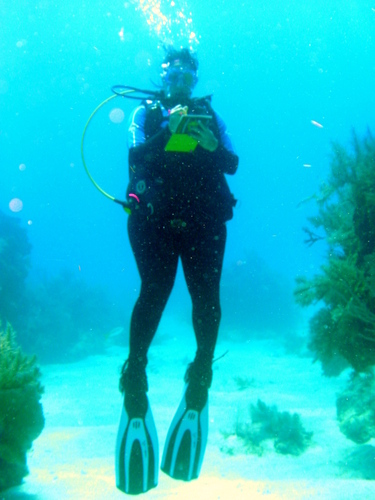
Because survey dives are designed for anyone we practice the Roving Diver Technique which is basically get in the water and swim around—no line transect or quadrat to worry about—it’s very user friendly! My favorite aspect of the survey project is that it uses common names, not scientific, which for a student whose foreign language skills are completely absent it is nice not to have to learn Latin. Each survey records both the name and density of species IDed using abundance codes such as: S-Single (1), F-Few (2-10), M-Many (11-100), and A-Abundant (101+). Once the dive is completed the data is entered in an online database which is freely available to explore and has been used by students, researchers, and managers for scientific publications.
I think what I enjoy most about these survey dives it that it makes your time in the water a little more interactive by basically being an underwater scavenger hunt and what could be cooler than that!?! Now, one of the personal advantages to becoming an avid surveyor is working up the ladder to different fish ID experience levels. If you can ID one fish you’re at level 1 and can work your way up to the expert levels of 4 and 5 (over 35 surveys and passing the advance fish ID quiz). If one is lucky/dedicated enough to reach the advance levels they are invited to join the Advanced Assessment Team (AAT). Members of the AAT are eligible to participate in special regional monitoring projects such as the Vandenberg artificial reef in the Keys and Monterey Bay National Marine Sanctuary off California. Not that I expect to reach this level of awesome by the time my tenure at REEF has ended but maybe eventually if only because the AAT gets all the cool T-shirts!





One Response
Great you’re learning, or will know, the names of all kinds of fish. Why does it take so long to learn how to identify 5 fish? If we share a fish dinner in a restaurant, will you be able to tell me if what they actually serve us is what was on the menu? I have read that fish in stores and restaurants are frequently mislabeled/substituted. This article references a study by Oceana of 119 fish samples obtained in LA., 55% were misidentified. All of the red snapper was substituted, commonly w/ tilapia. Tilapia at Harris Teeter is $4/lb; red snapper is $12-15!