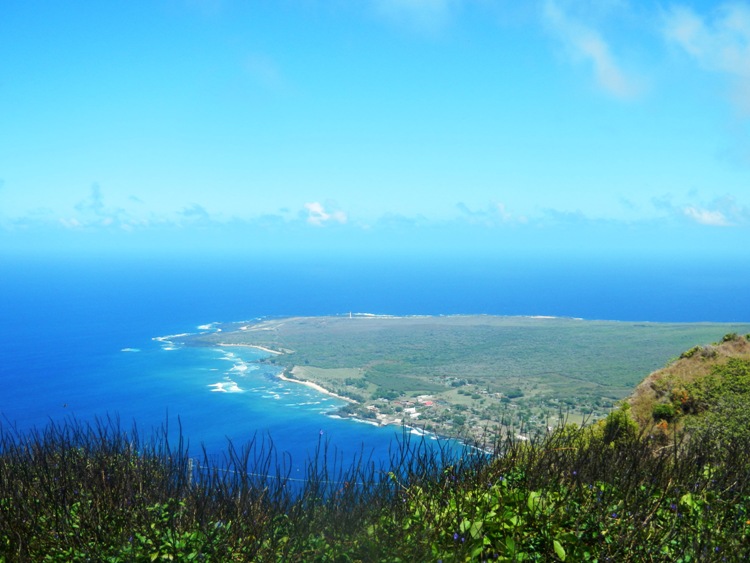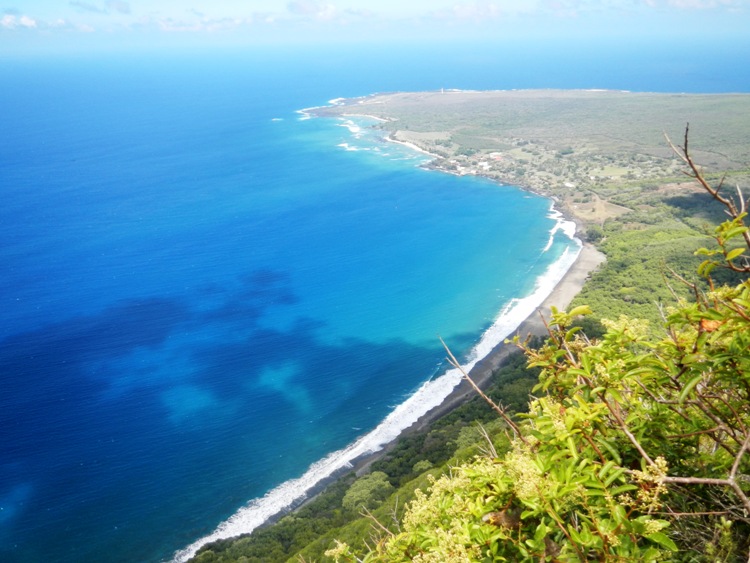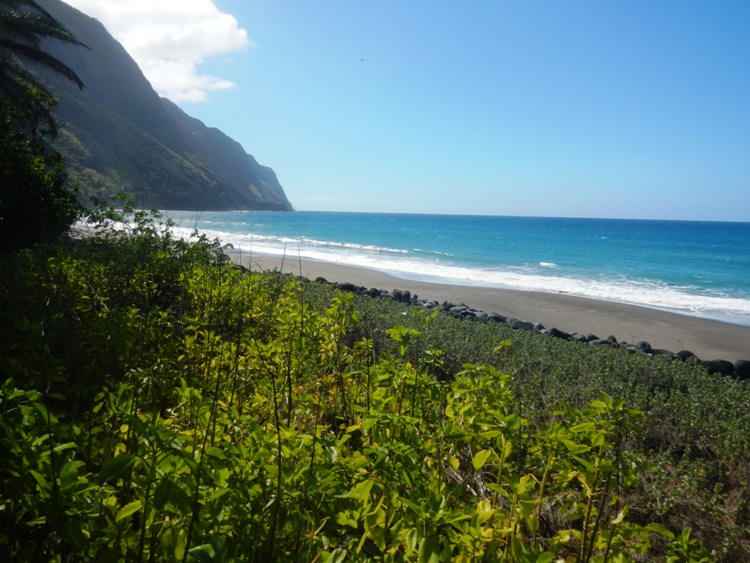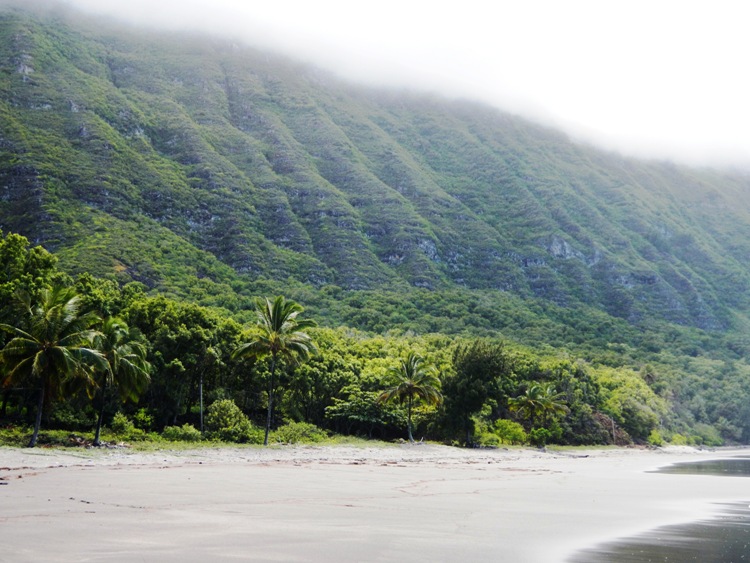
I spent much of my downtime during this last week thinking about how to properly introduce Kalaupapa National Historical Park. Although I was briefed about the stunning Hawaiian landscapes and profound history that I would encounter at this park, I still could not have imagined the overwhelming experience that I was in store for. It’s nearly impossible to summarize a park that is so rich in historical, cultural, and natural resources! Here’s what I settled on: if you ventured into the set of Jurassic Park and found that the terrifying dinosaurs were replaced with the friendliest, most close-knit community you’ve ever imagined, you just might be in Kalaupapa National Historical Park.
Kalaupapa has a history unlike any other park. I see it as a place of great extremes since it was founded as a place of pain and isolation in one of the most beautiful places on Earth. As Hansen’s disease, or leprosy, began to sweep the Hawaiian Islands in the 1860s, the lack of a cure and misunderstanding of the disease led King Kamehameha V to exile all symptomatic individuals to this remote peninsula on the island of Molokai. As late as 1969, families were torn apart as patients with Hansen’s disease were forcibly restricted to Kalaupapa. Advancements in treatment, the end of forced exile, and increased understanding of Hansen’s disease greatly improved the lives of patients. Around a dozen cured patients continue to reside in Kalaupapa by choice; they’re the living legacy of a solemn story. The National Park Service chose to honor this important narrative by preserving the Kalaupapa peninsula as a National Historical Park established in 1980.
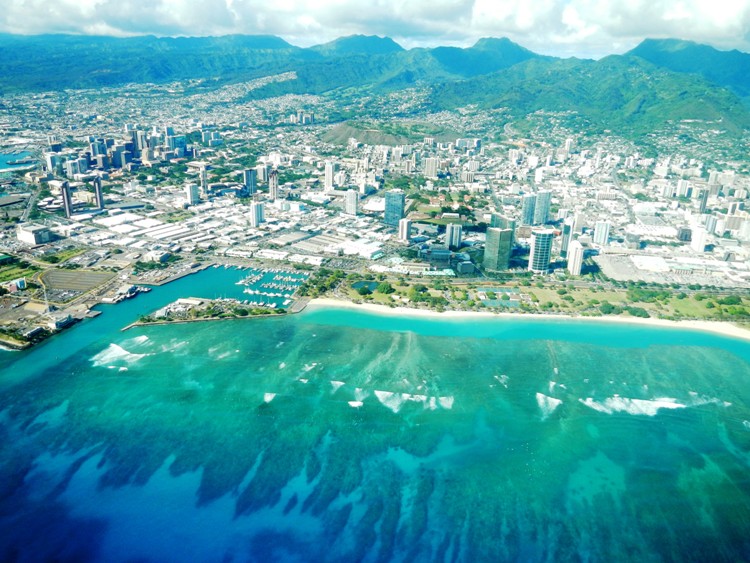
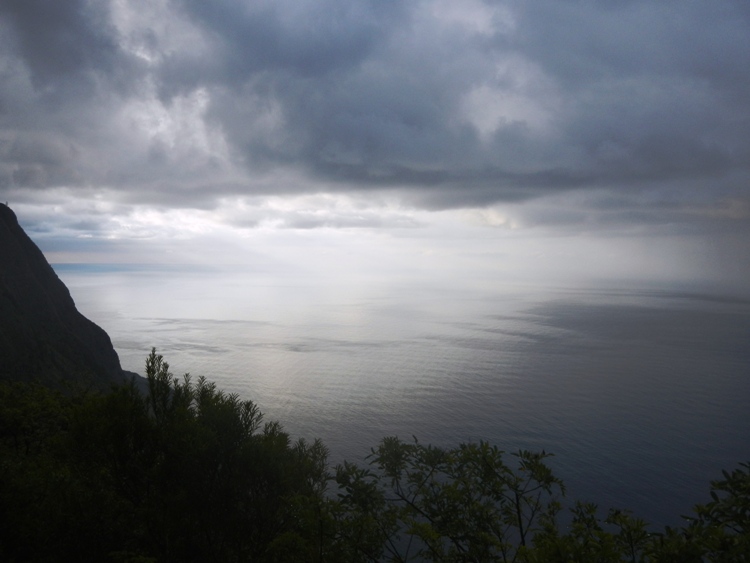
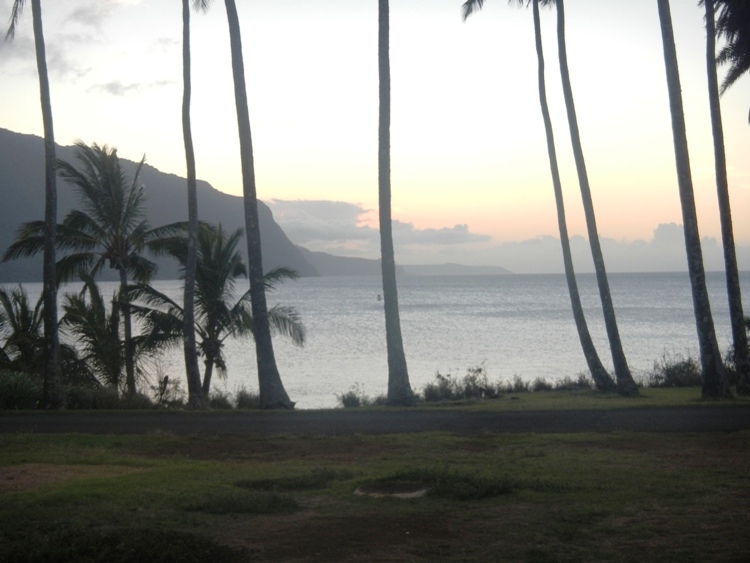
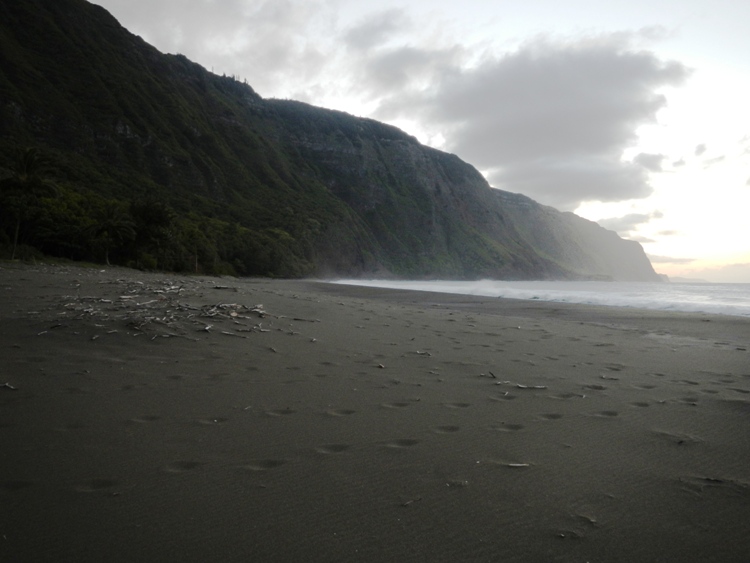
I flew in a two-seat-wide plane from Honolulu to the small airstrip on the Kalaupapa peninsula. It was easy to find marine ecologist Eric Brown, who was waiting for me at the airport, because he was one of two people standing within a mile of the airstrip! He showed me to my park housing for the week, which overlooked the Pacific Ocean and some of the largest sea cliffs on Earth. I watched the sunset over the ocean from my front porch and called it a night.
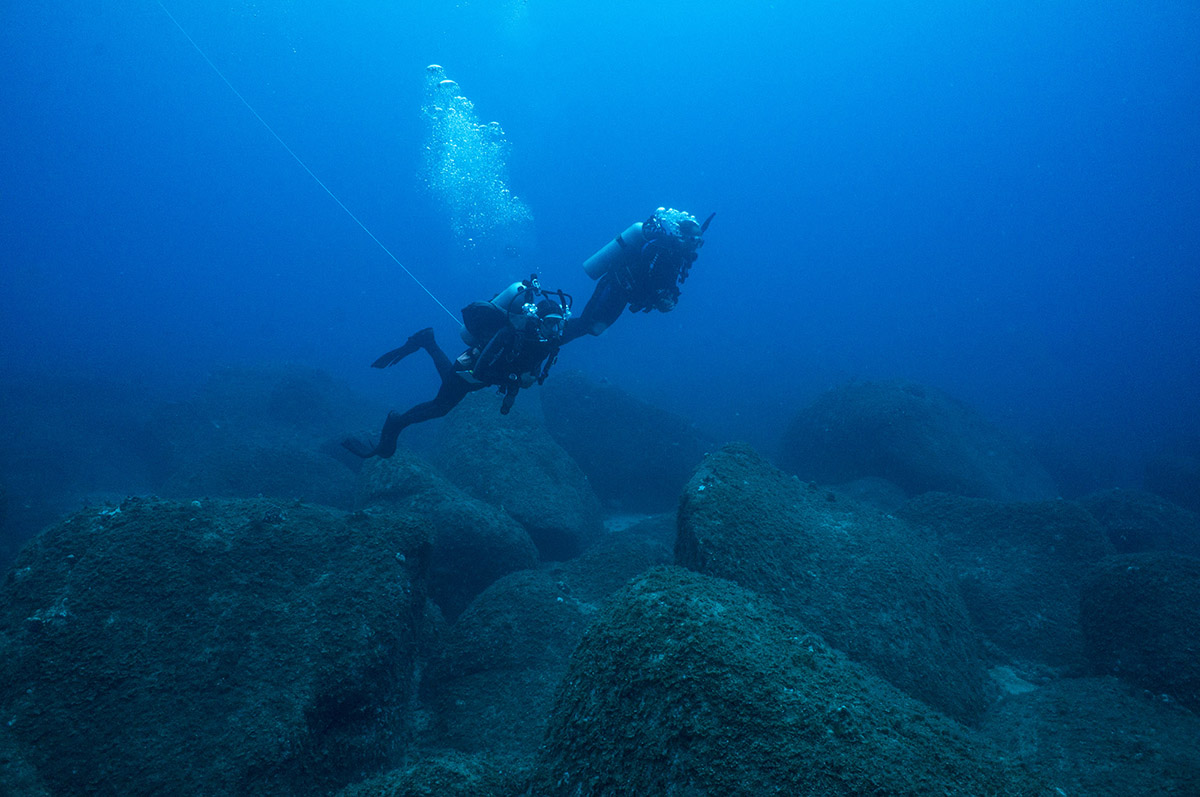
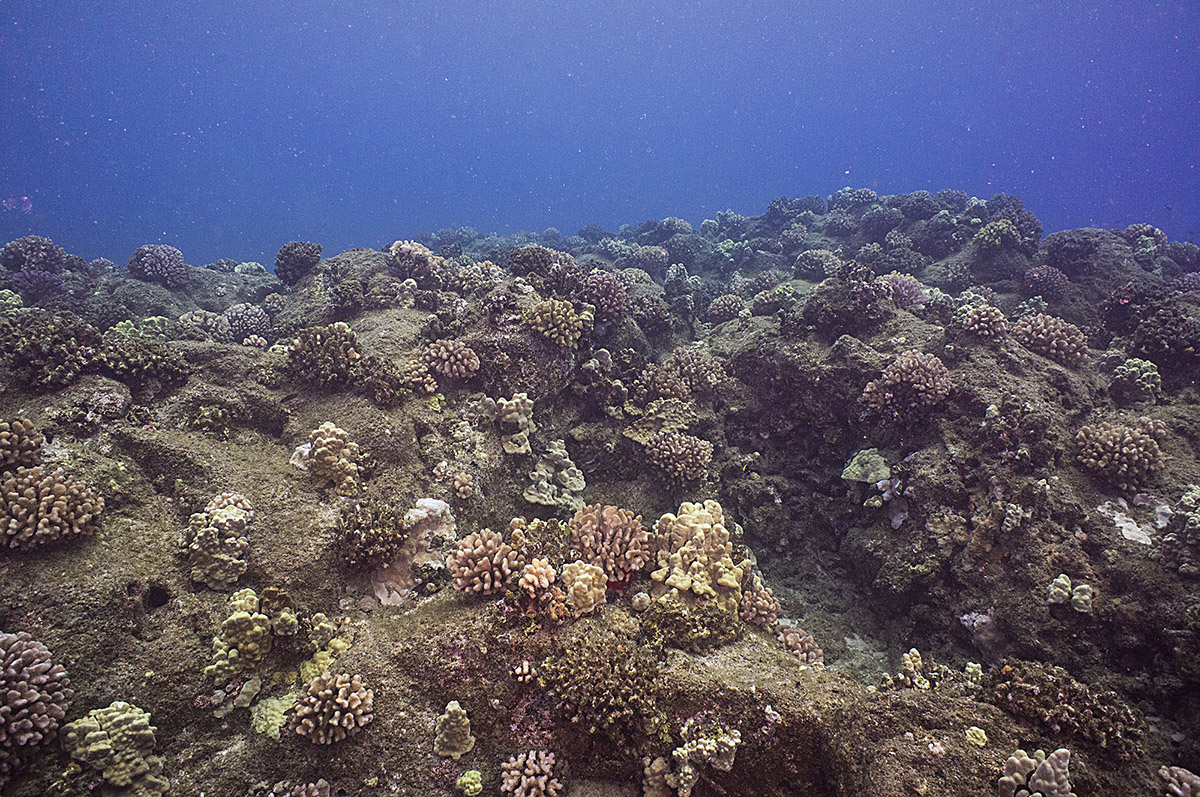
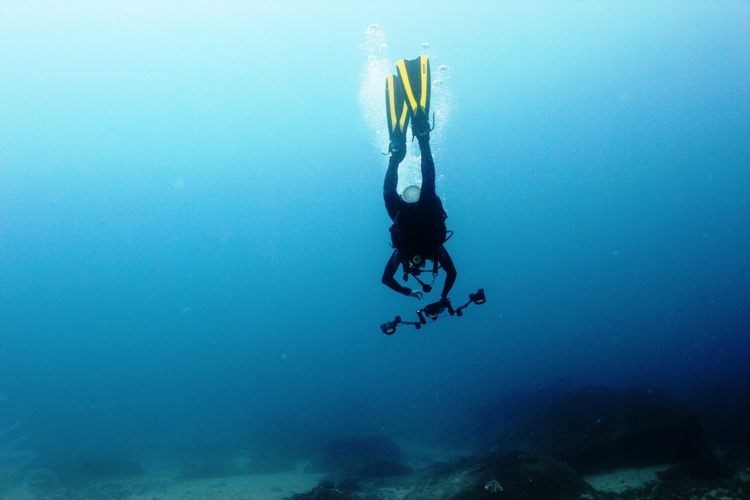
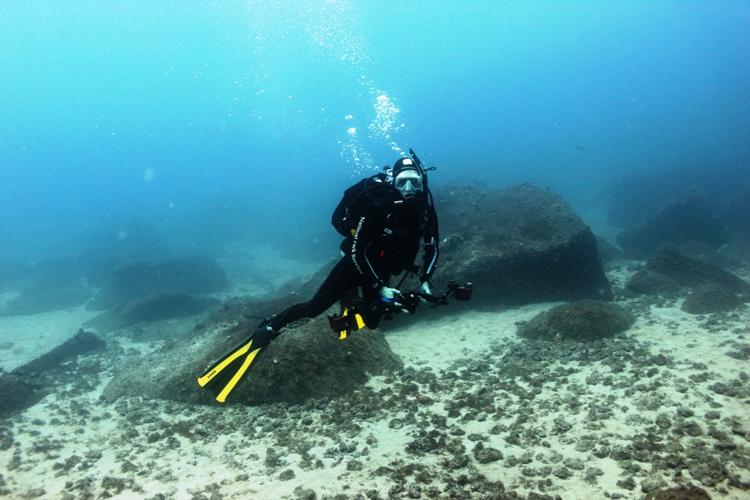
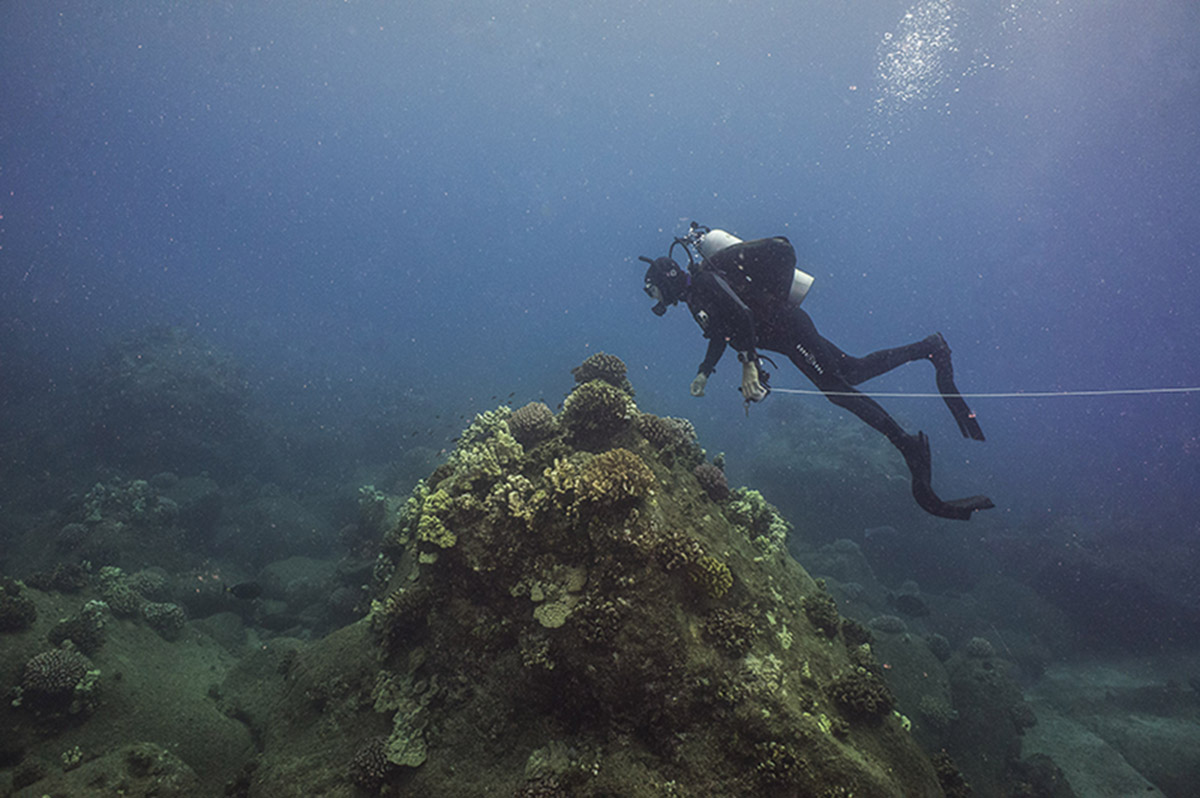
In the morning, Eric, maintenance mechanic/park diver Randall Watanuki, and I met at sunrise to begin diving. Our goal was to assess potential damage to coral reefs caused by a recent construction project, so we combed the sites with an underwater camera and measuring tapes to document minor damage. Once again, I lucked out and dove in fantastic conditions. The great visibility allowed me to see a dense coral reef, vibrantly-colored fish, and a green sea turtle all in the first dive!
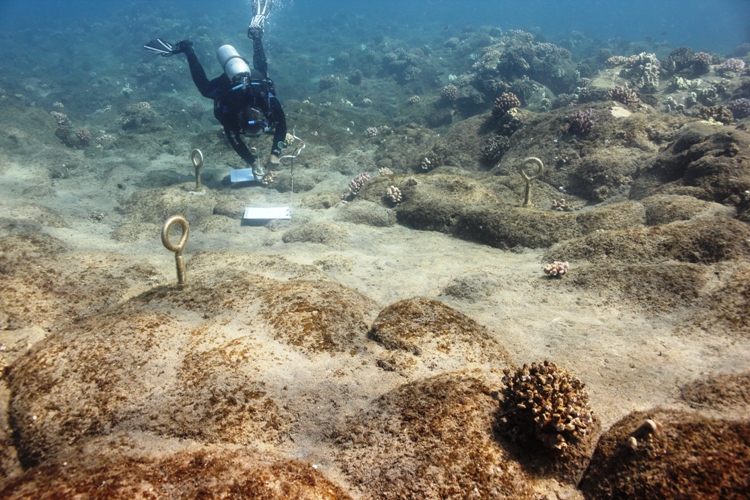
The next two days of diving were devoted to assessing coral recruitment within the park. We dove at fifteen different sites to collect recruitment tiles that were previously deployed by Eric and Randall. I was really interested in this project, plus diving at fifteen different sites allowed me to see the entire peninsula underwater. Every site was teeming with marine life. While boating back from the last site, we even spotted a ten foot tiger shark swimming nearby! After switching out SCUBA tanks from the dock, we completed a training dive to 100 feet and swam back to shore.
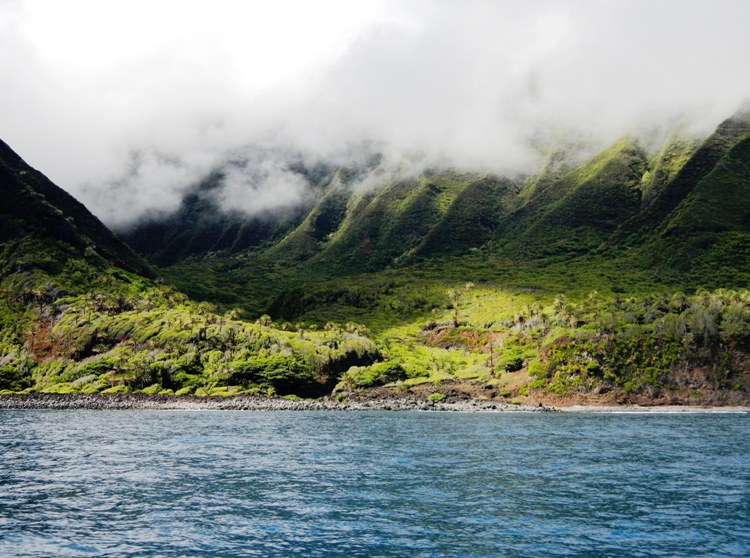
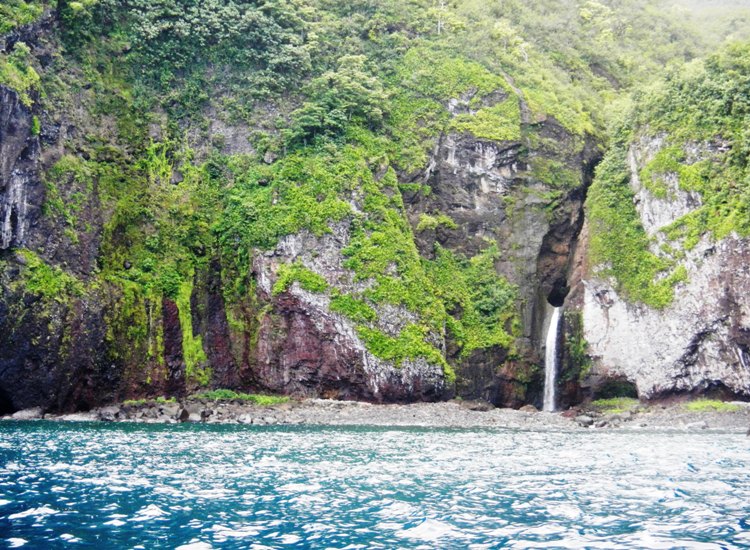
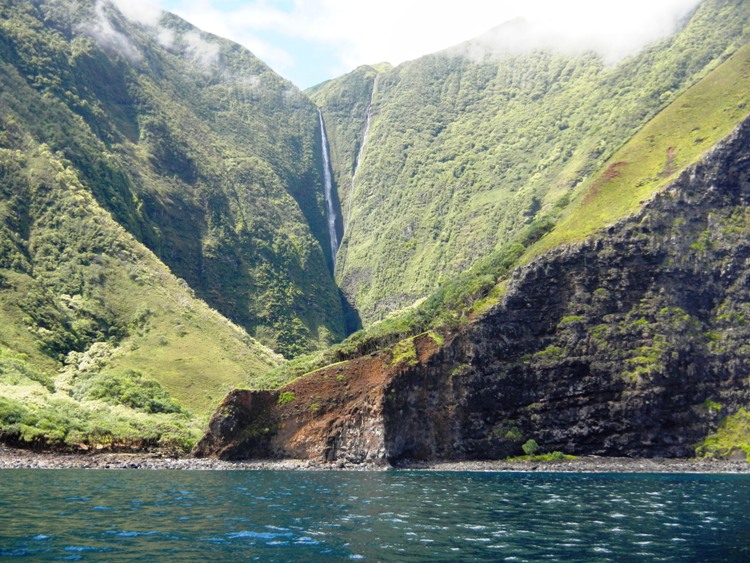
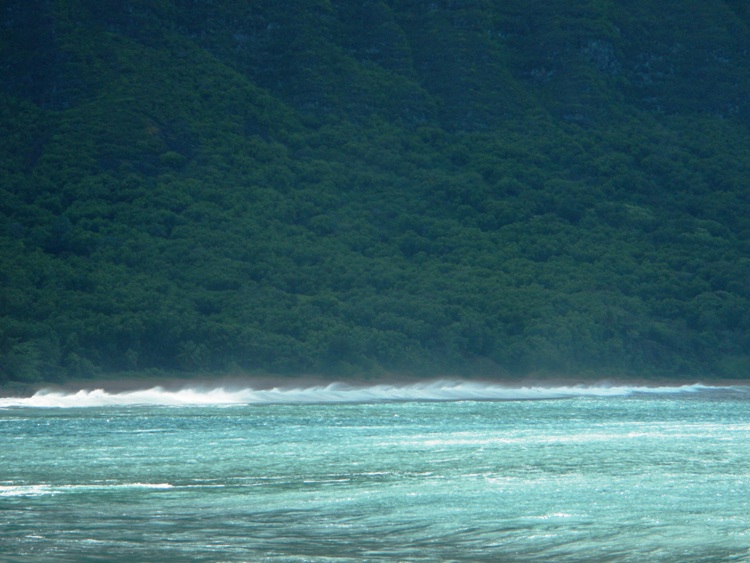
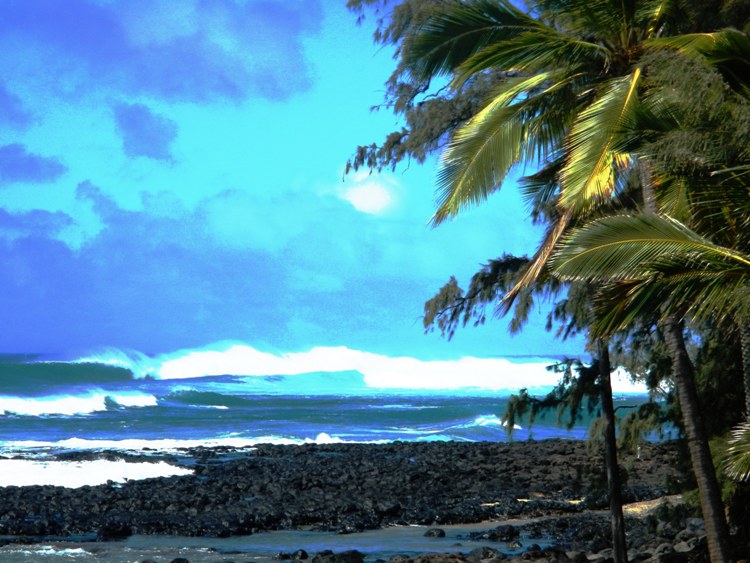
We were lucky to finish the recruitment project in just two days, as a large swell was scheduled to batter the island later on in the week. Since the exposed Kalaupapa peninsula offers little protection from northern swells, guaranteed safety only exists in a sheltered harbor on the southern side of the island. To protect the boat, Randall and I made the three hour boat trip to this harbor. Luckily, this allowed me to see even more of the island. I was absolutely floored by this ride! We boated alongside the world’s largest sea cliffs which reach over 3,000 feet high and made our boat feel particularly small. We also passed sky-scraping waterfalls and valleys full of lush jungles as we made our way to the harbor. At the end of the day, we trekked back to Kalaupapa using the steep and strenuous three-mile trail that descends 1,800 feet from the plateaus of Molokai to the peninsula. The trail offered more incredible views and a great workout – my legs were shaking as I worked to keep pace with the Kalaupapa veterans!
As if thriving coral reefs, one-of-a-kind sea cliffs, and fertile jungles weren’t enough, Kalaupapa National Historical Park is also home to the critically-endangered monk seal. Since there are only around 1100 of these rare creatures left, the park works with the National Oceanic and Atmospheric Administration (NOAA) to tag and monitor as many individuals as possible. On my last full weekday at Kalaupapa, I met Diane Pike, who is NOAA’s Marine Mammal Response Team Coordinator for the island of Molokai. Diane and I monitored an untagged monk seal from the shore for several hours with hopes of tagging the animal, but the seal never basked in a sandy area, so we didn’t attempted to tag it on the dangerous, rocky basking site that it chose.
The week I spent at Kalaupapa is the start of a month and half of diving in the Pacific Islands, including Oahu, the big island of Hawaii, and American Samoa. I can’t thank Eric and Randall enough for setting the bar as they showed me the park that they’re so fortunate to work in – thanks a lot guys!