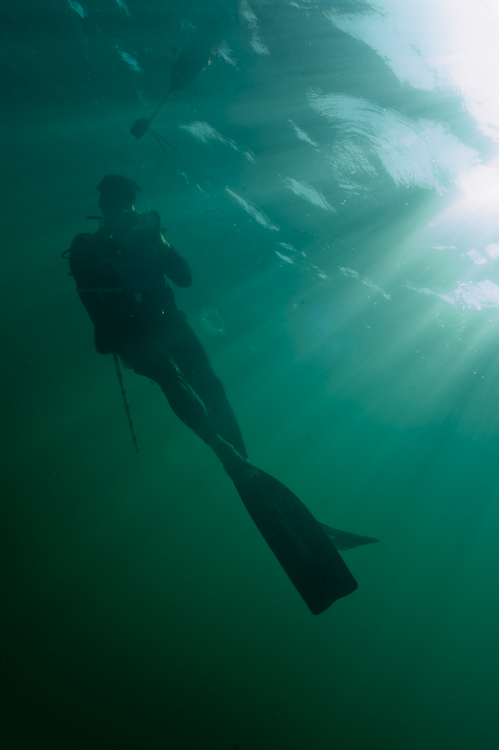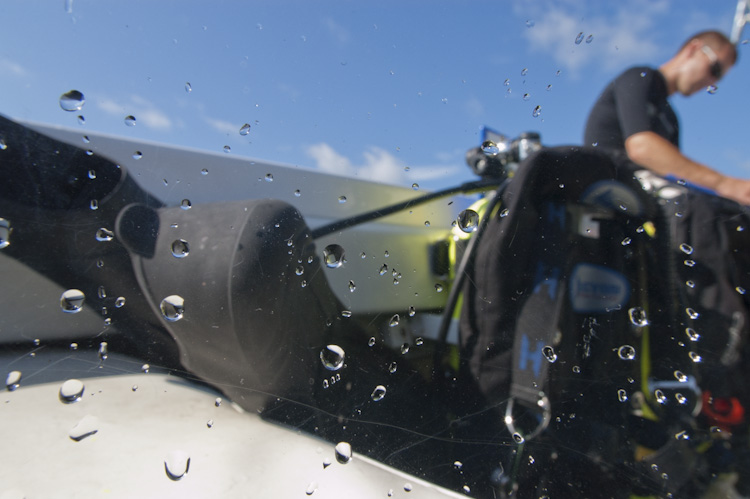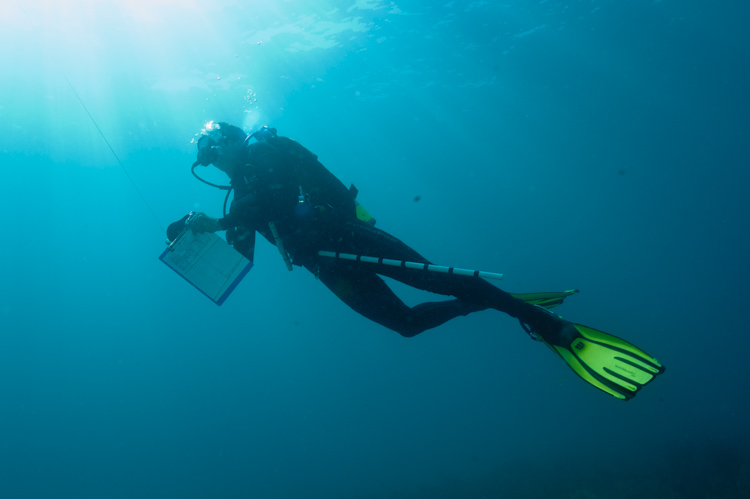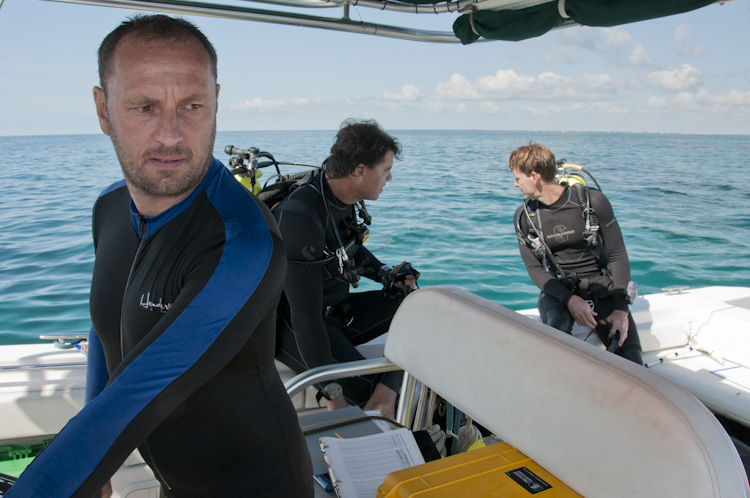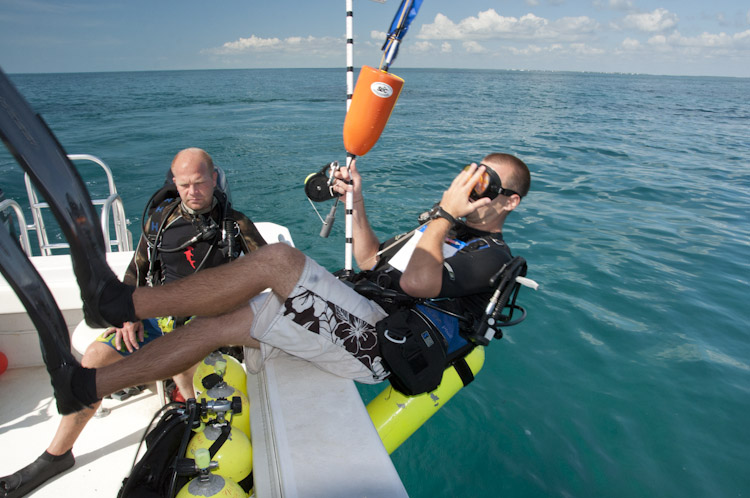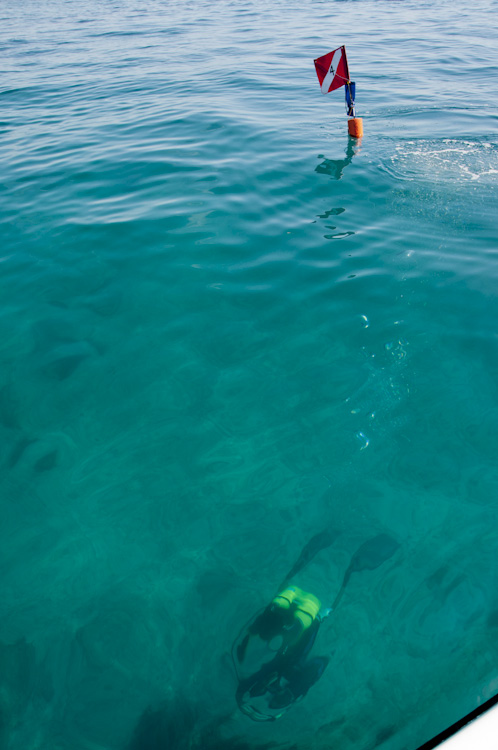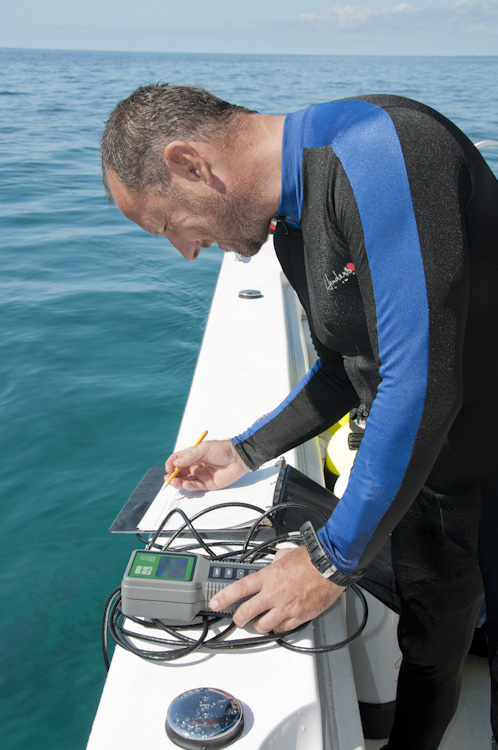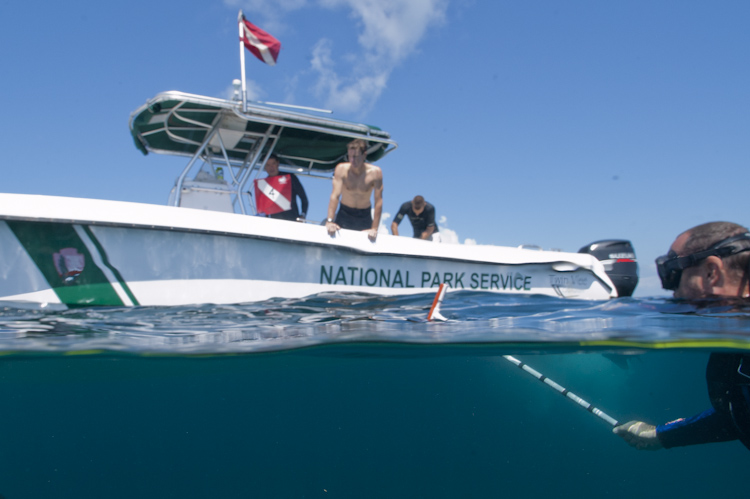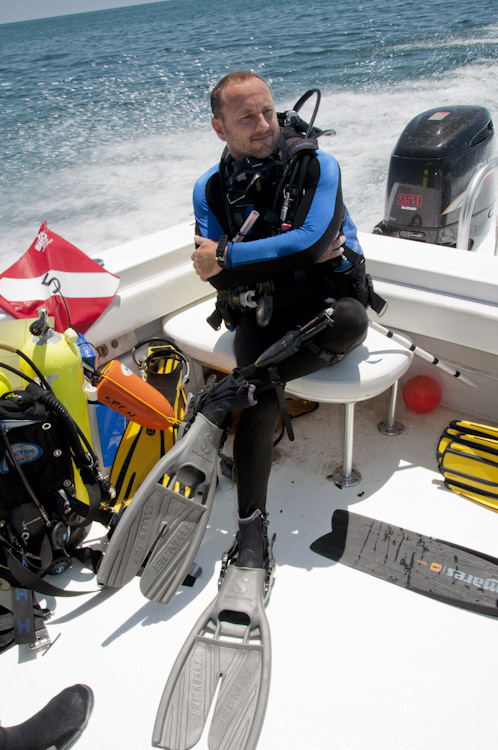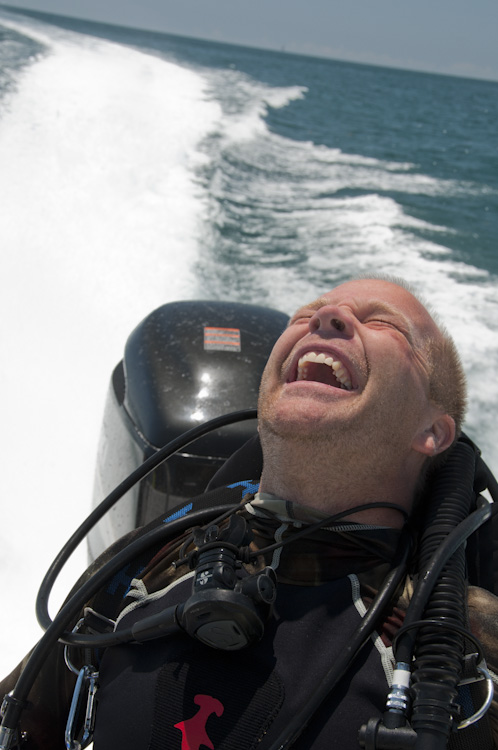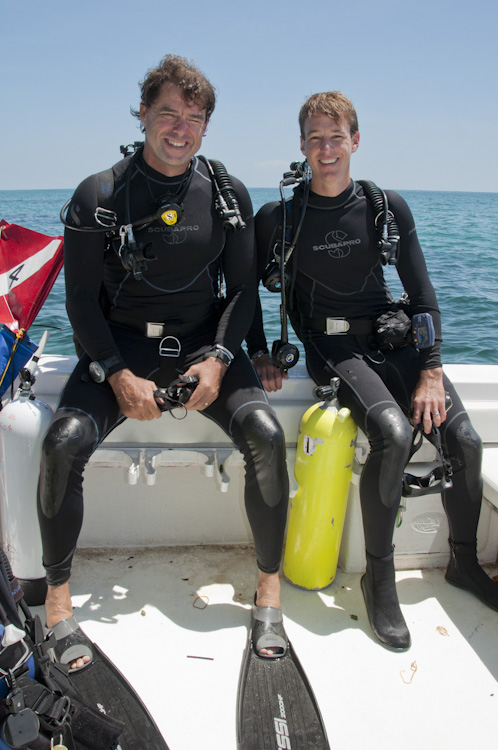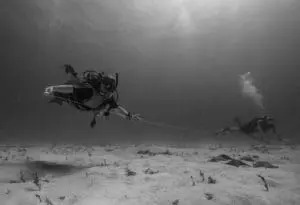
I spent Tuesday through Thursday of the second week in September with the dive team from the South Florida / Caribbean Network (SFCN), which is a part of the Inventory and Monitoring Program of the National Park Service. SFCN works throughout the parks in southern Florida and the Caribbean on natural resource management projects. These projects focus on two main tasks: performing baseline surveys of natural resources in the parks to provide information on park ecosystems, and long term monitoring to keep track of ecosystem health. SFCN works in all habitats found in the parks in this region from marshes to the open ocean. There are terrestrial, aquatic, and marine biologists who work with the SFCN. Matt Patterson, the coordinator of SFCN, put me in touch with Mike Feeley, in charge of the marine monitoring team, and I arranged to spend a few days diving with them as they monitored coral reef fish communities throughout Biscayne National Park. The dive team was conducting annual reef fish censuses throughout the park, which required diving in a variety of habitats and depths.
Our first day I was surprised in Black Point Marina by a manatee that was spotted by SFCN’s SCA (Student Conservation Association) Intern, Lee Richter. I had been hoping to see a Manatee ever since I arrived in Biscayne, but summer is not the best time to see them in South Florida. In the winter, when the water is cold, they aggregate in marinas and canals, where there is warmer water. Knowing this, I had accepted that I probably would go two summers in Florida without ever seeing one (I spent a summer working in the Keys a few years ago, manatee-less!). I was so happy when Lee found the one in the marina, chomping on algae growing on the pilings. I tried to take a photo of it in the water, but the visibility was awful—hence the blurry, dark photo below. But I finally saw one!
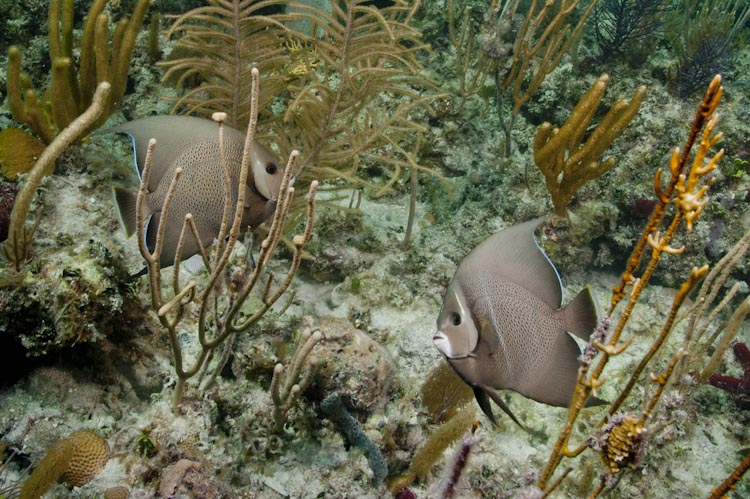
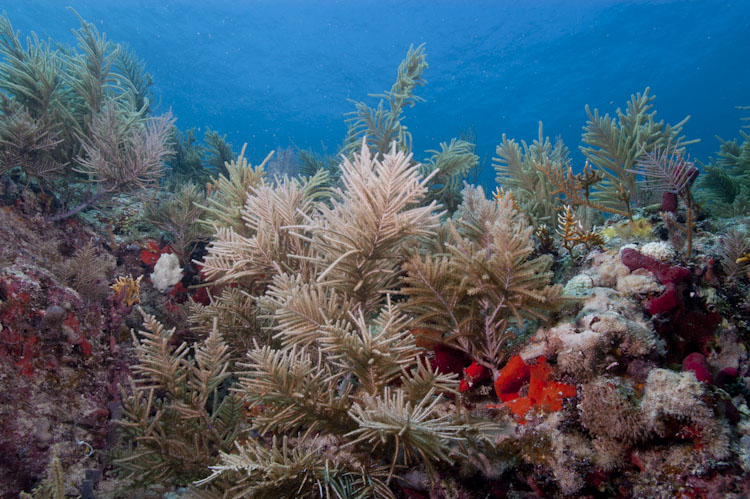
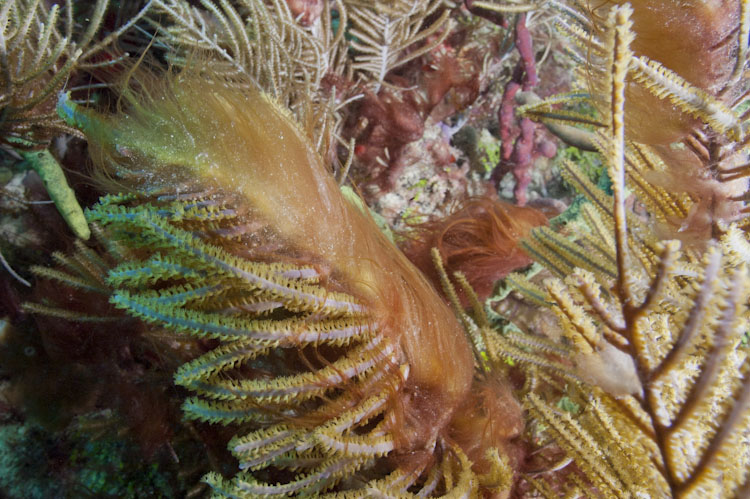
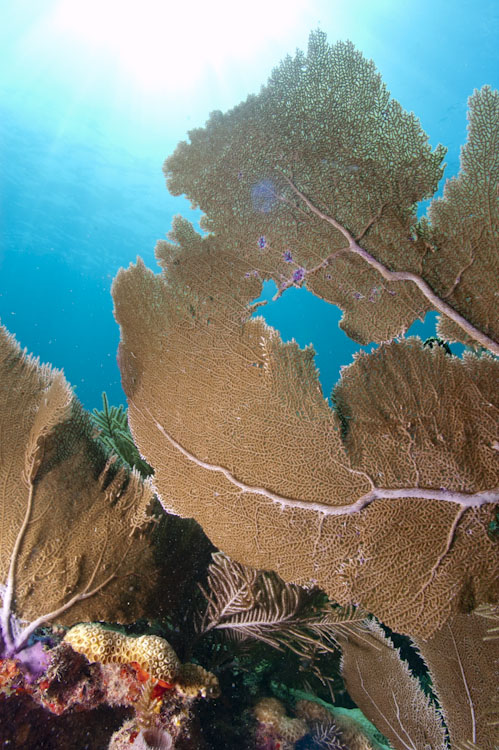
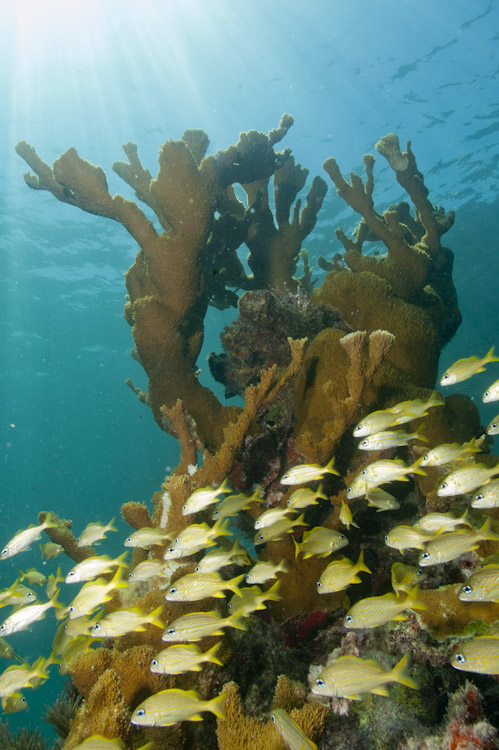
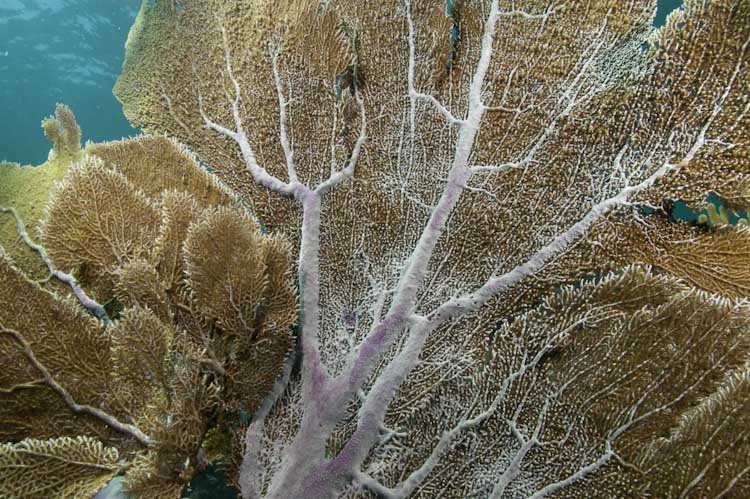
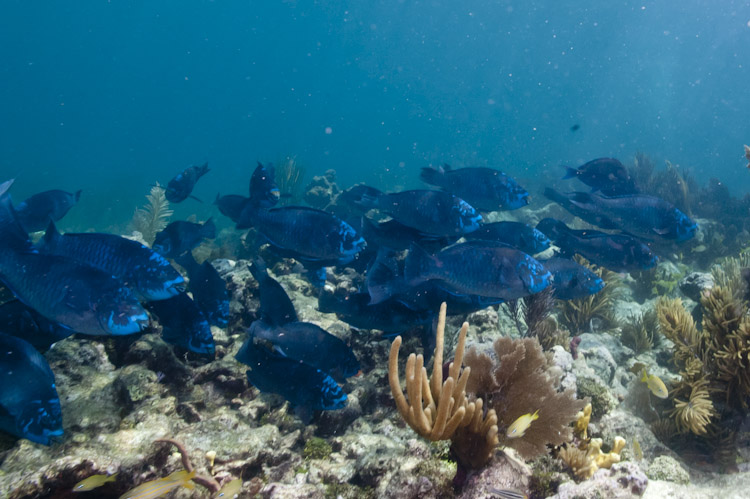
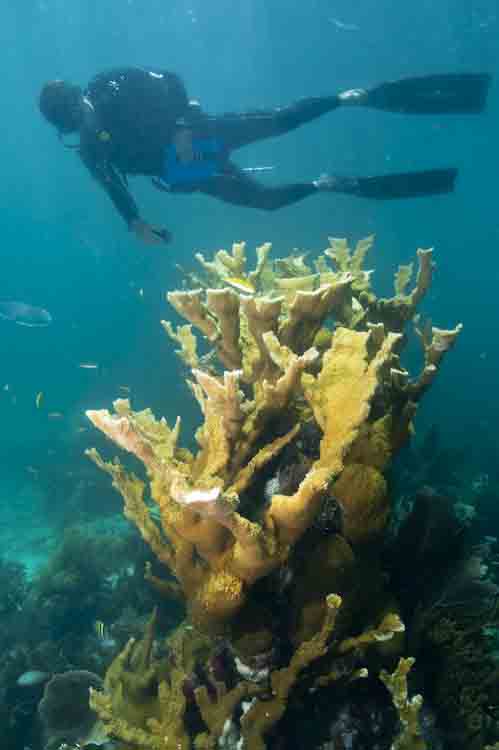
Our three days on the water were highly productive. The divers successfully did their fish surveys at 21 sites, ranging anywhere from 12 to 90 feet, in conditions bordering on pea soup to clear blue water. We dove in shallow sites in the bay, where there were small areas of suitable habitat surrounded by sprawling sea grass beds, areas of dense coral cover in blue waters offshore, and even at a deep site 90 feet down, where there were some of the largest sponges I have ever seen. I only saw three lionfish throughout all my dives (very good), but I only saw a few fish larger than 12 inches on the reefs (not good). The SFCN monitors specific “Vital Signs,” which are physical, chemical, and biological processes present in park ecosystems, as measures of ecosystem health. Marine fish communities are considered a Vital Sign, and the fish monitoring done by the dive team will help park managers measure the current conditions of reef fish communities and how they are holding up to pressures such as fishing, pollution, and climate change. Without consistent and reliable monitoring, we cannot know when ecological communities become weakened until it is too late.
I had a great time diving with the SFCN team, and got a great feel for what is it like to do fish monitoring in south Florida. This type of diving is very satisfying; task oriented and knowing that the information gathered is directly affecting future conservation decisions. I have experience doing fish and coral surveys from before this internship, and my time in south Florida has confirmed that I still enjoy this type of diving. I really like being task oriented underwater, whether that means taking photos or collecting data. In addition, all the people I dived with in south Florida (Dry Tortugas and Biscayne) have been absolutely wonderful to work with. I would be thrilled to work with any of them in the future! THANK YOU so much to all my new friends and acquaintances in Florida. I won’t forget your warm hospitality and generosity as I head west for the next leg of my internship!