
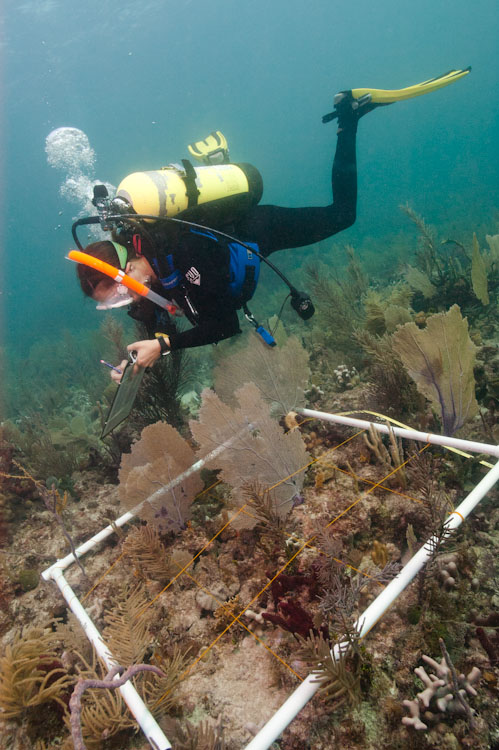
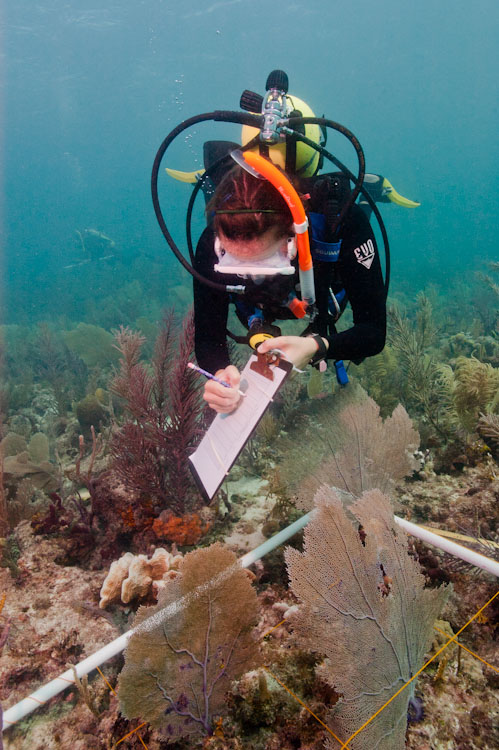
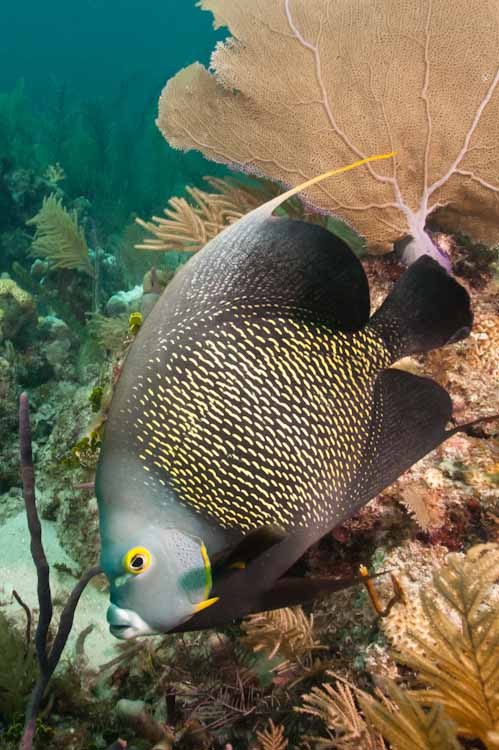
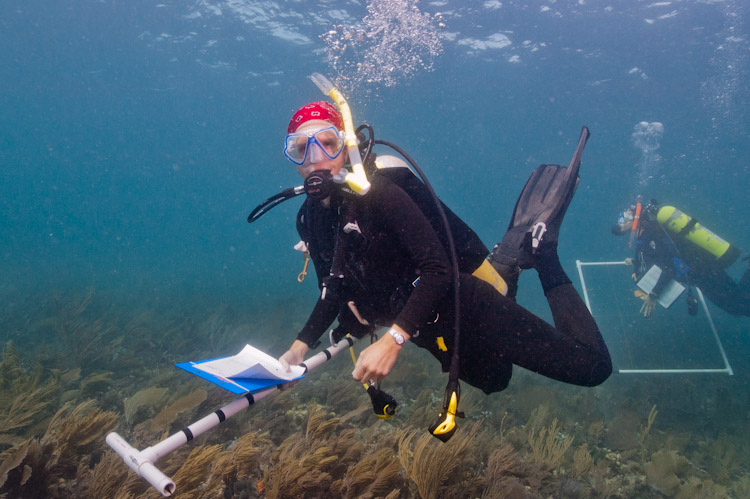
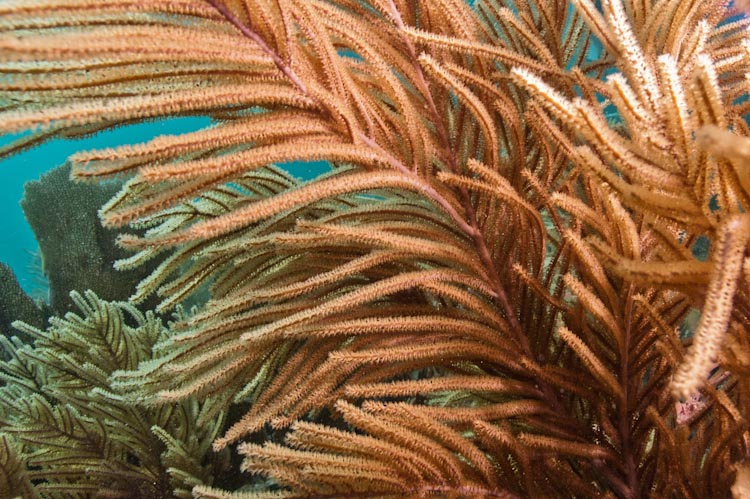
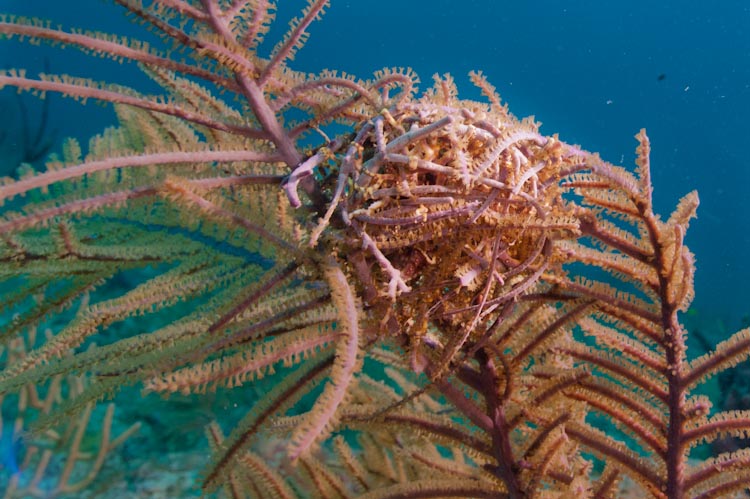
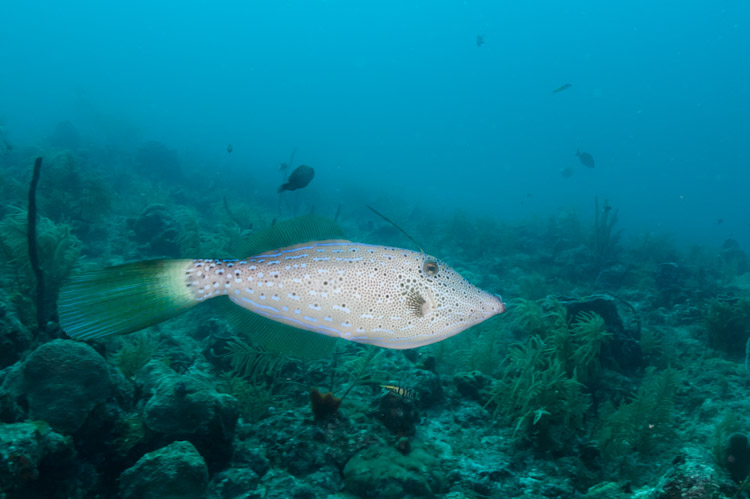
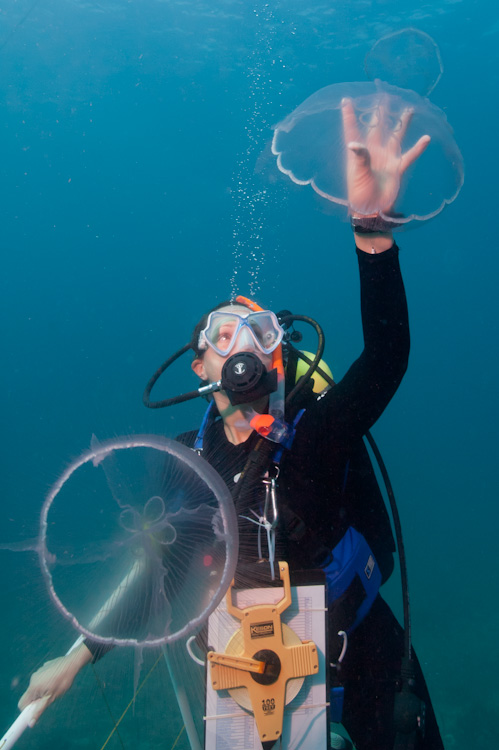
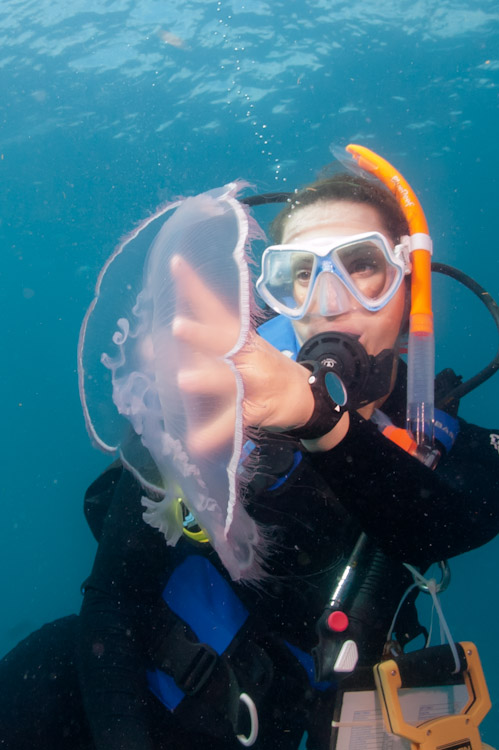
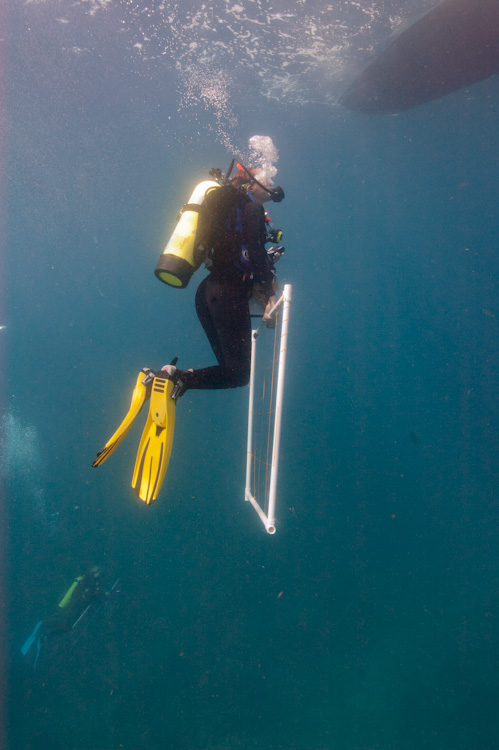
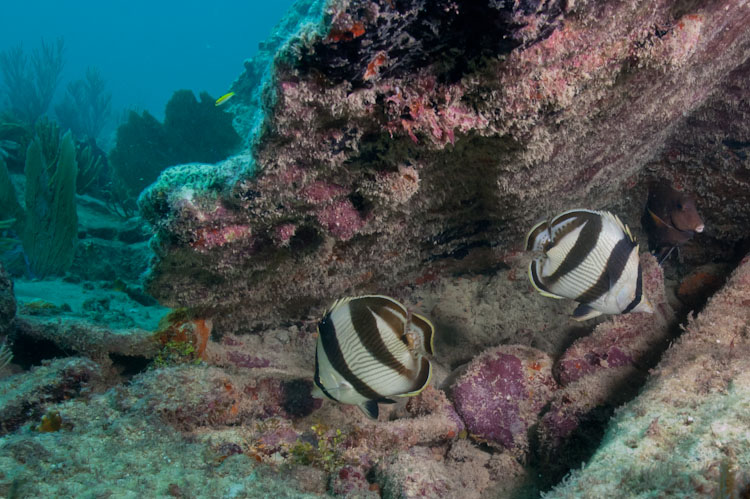
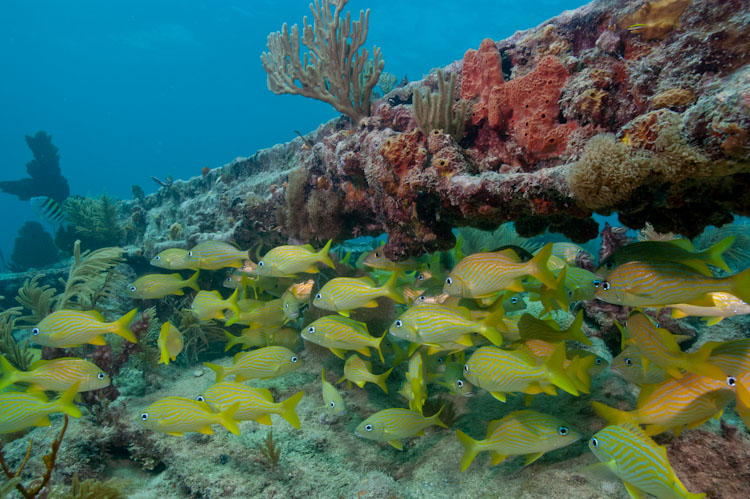
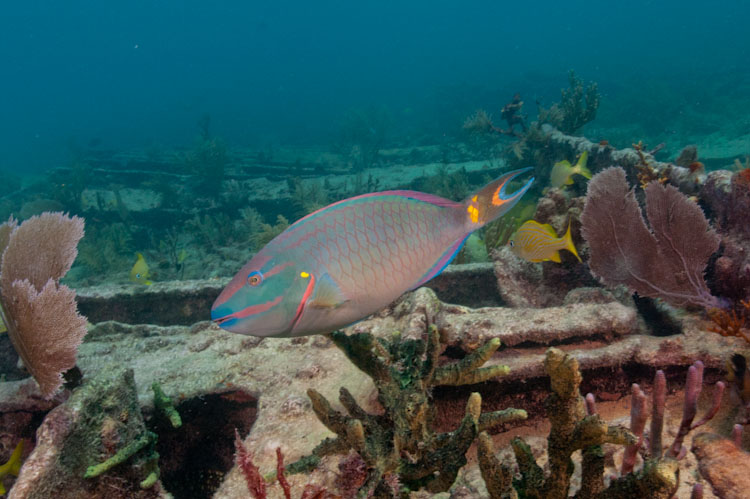
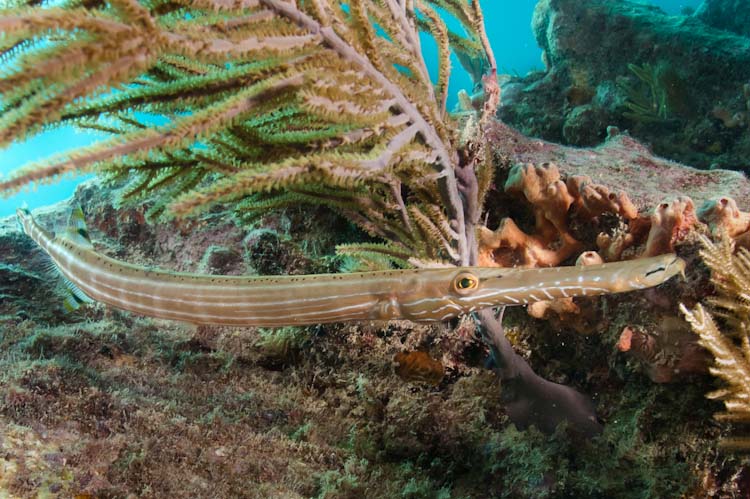
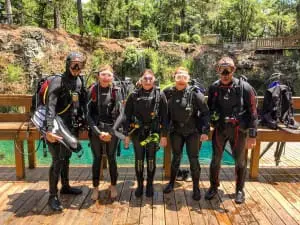
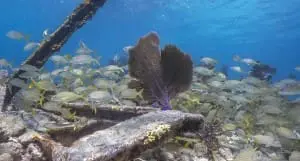
After all the drama and uncertainty of last week, the weather and other cosmic conditions have calmed down and allowed me to get in the water here at Biscayne. I can happily say that I now see why the waters around Biscayne are so revered; outside the shallow green waters of the bay lies a veritable wonderland of coral reefs. I was really surprised by the density of coral coverage that I saw in hard corals, and soft corals were blanketing all other available surfaces at many of the sites I visited. I accompanied park divers Shelby Moneysmith, Katie Johnson, and Meghan Balling on several dives to monitor fish diversity and abundance, and to monitor benthic habitat.
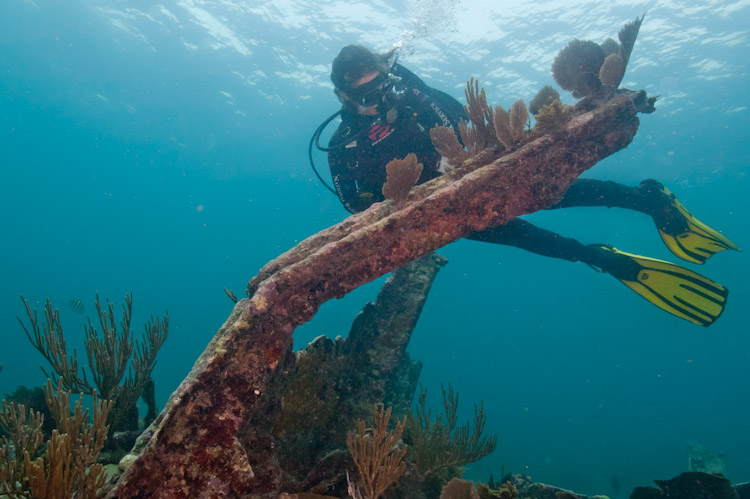
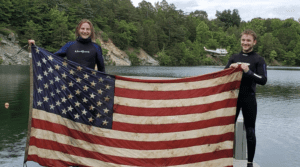
Dave Conlin and Susanna Pershern came down to Biscayne this week to do some archeological work at the park. Due to the sensitive nature of the project, I can’t talk about it in detail, but I can say I learned a lot through my first underwater archeology experience. I am beginning to comprehend one of the major differences between natural resource management and cultural resource management. Natural resources, while finite in the long term, can often recover from short-term perturbations such as over extraction, disease, and pollution, if managed properly. Cultural resources are at risk from very different factors, and once damaged, those resources are permanently lost, along with the history that gives the wreck or artifact its cultural significance. These sites are remnants of our collective history as humans, and link us inextricably to our past. I really didn’t understand the value of wrecks before, but having the opportunity to dive on wrecks in Florida has changed my perspective on the matter. These wrecks are places where sailors once fought to save their ship from sinking, and themselves from drowning; sites that once were dominated by destruction and even death, which now bring new life to the ocean floor as artificial reefs. They are valuable to us not only for their recreational opportunities as divers, and as habitat for marine life, but as lasting reminders of our continued attempts to master nature. I am constantly reminded of the sea’s immense power when I see these wrecks, and it helps me to maintain a healthy reverence for this amazing body of water that balances life on our planet.
Unfortunately while diving in the park, evidence of human carelessness was also clear underwater. Discarded fishing line, beer cans, old ropes, and broken traps littered the otherwise pristine-looking reefs, sea grass beds and sand flats. I was able to venture into some mangroves in a shallow area off of one of the main canals, and in the surrounding sea grass there were many huge prop scars and “blow holes,” caused by boats flooring the engines when they are stuck in low water. We had been careful to enter the area at the peak of high tide to avoid the risk of running aground, but clearly other boaters had not been so careful. The habitat takes quite a long time to recover from these scars, and they are clearly visible from the surface.
Despite these insults to this sensitive habitat, Biscayne is still a beautiful place, and well deserving of its designation as a National Park. It protects the longest stretch of mangroves on Florida’s east coast, part of the third longest coral reef system in the world, and 16 threatened or endangered species, like sea turtles and manatees. The park also supports recreational and commercial fishers, as well as divers, snorkelers, kayakers, wind-surfers, boaters, and other water enthusiasts. Park managers are currently finalizing a new General Management Plan to ensure that Biscayne National Park is managed responsibly for the next few decades, to safeguard the recreational opportunities, fisheries productivity, and ecological services that the park currently provides for future generations.


One Response
These images are marvelous, skillful, at times profoundly poetic…I hope you continue your fine work.