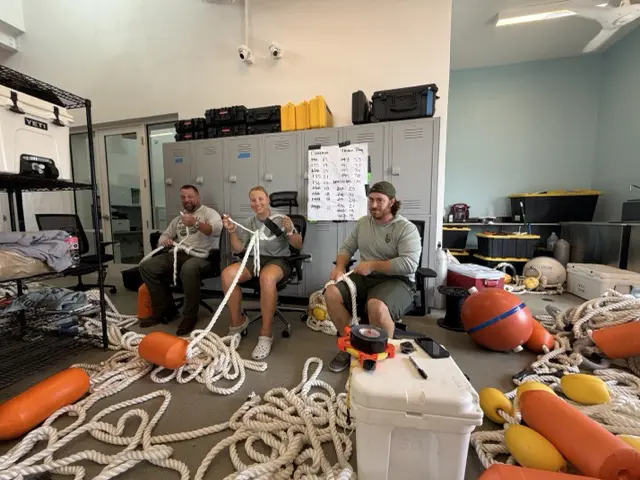
My first full day on St. John, I attended the most fun party I have ever been to: a splicing party!
If you know what splicing rope for hours on end does, not only to your hands but also to your morale, then you would know I am being facetious. Splicing is repetitive, hard on your hands, and not exactly what most people picture when they imagine a week of diving in the Virgin Islands. And yet, I still had a great time.
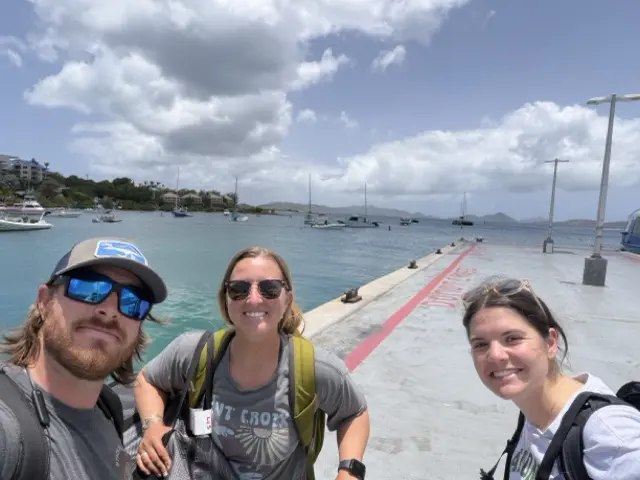
Getting to St. John from St. Croix was an adventure in itself. After Cape Air kindly informed me that there was no way to guarantee my bags would make it from St. Croix to St. Thomas—even on a later flight—I decided not to test my luck and took the ferry instead. I met up with Kristin and Karl on St. Thomas, and from there we continued to St. John, where I joined Jeramy Stephens, Devon Tyson, Allison Kreyer, Lee Richter, and Glenn Simpson for what was known as the Buoy Blitz.
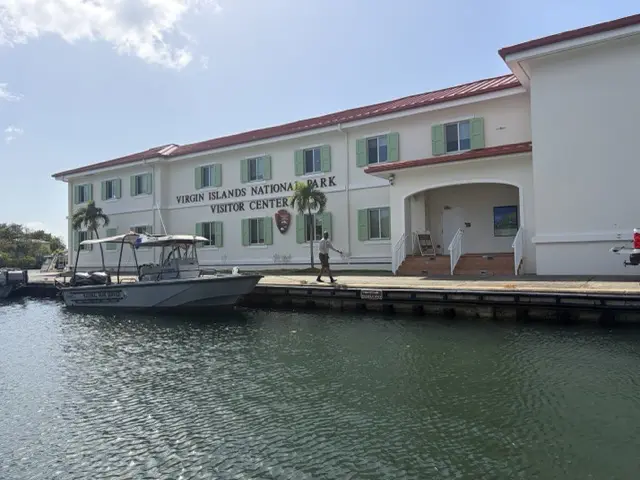
The Buoy Blitz is a two-week maintenance project to replace mooring systems throughout the bays of the Virgin Islands National Park. These moorings give boaters an alternative to dropping anchors, which can damage coral reefs and other sensitive marine habitats. Keeping the systems safe and functional is therefore not just maintenance work, but it is an important part of protecting the park’s underwater resources.
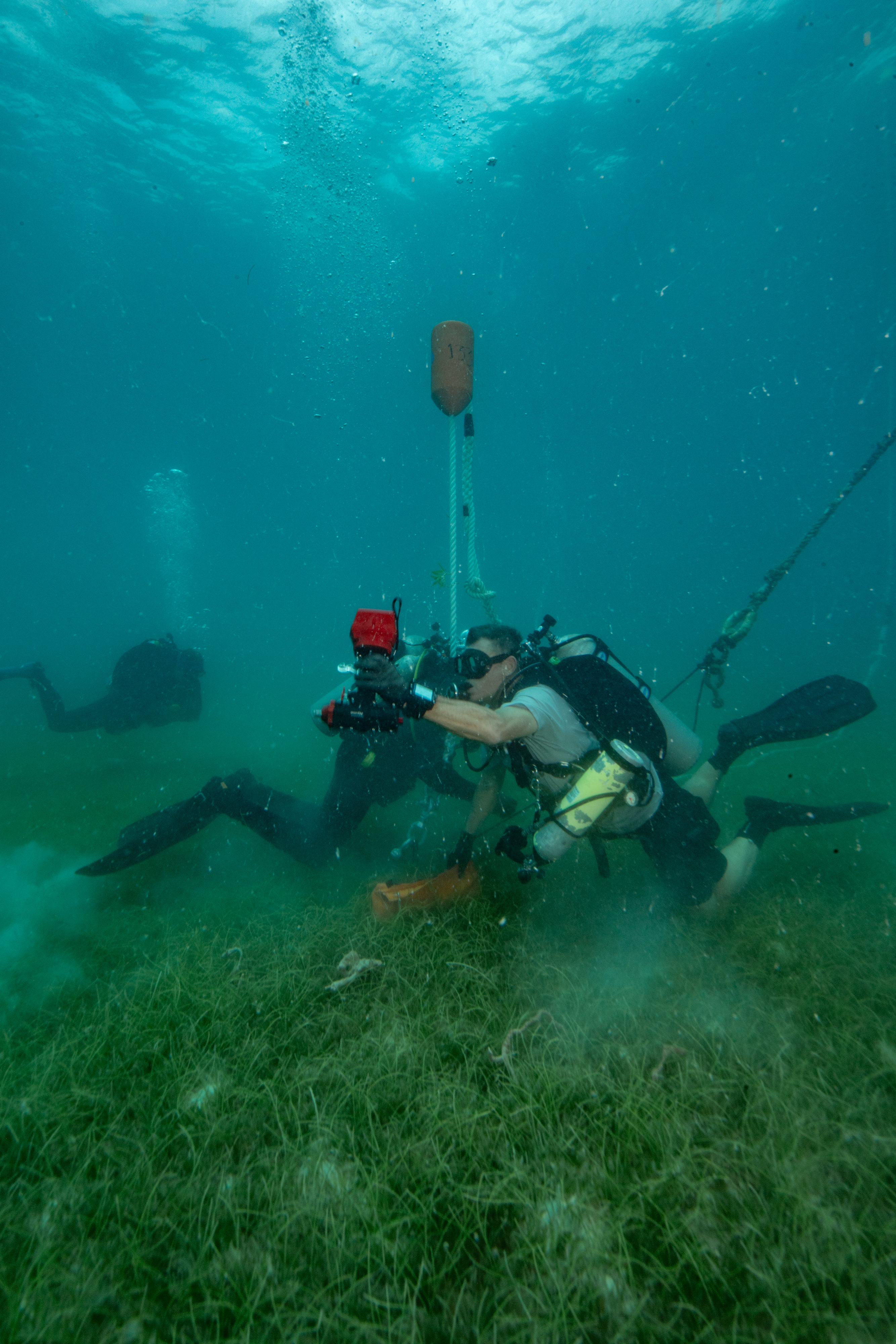
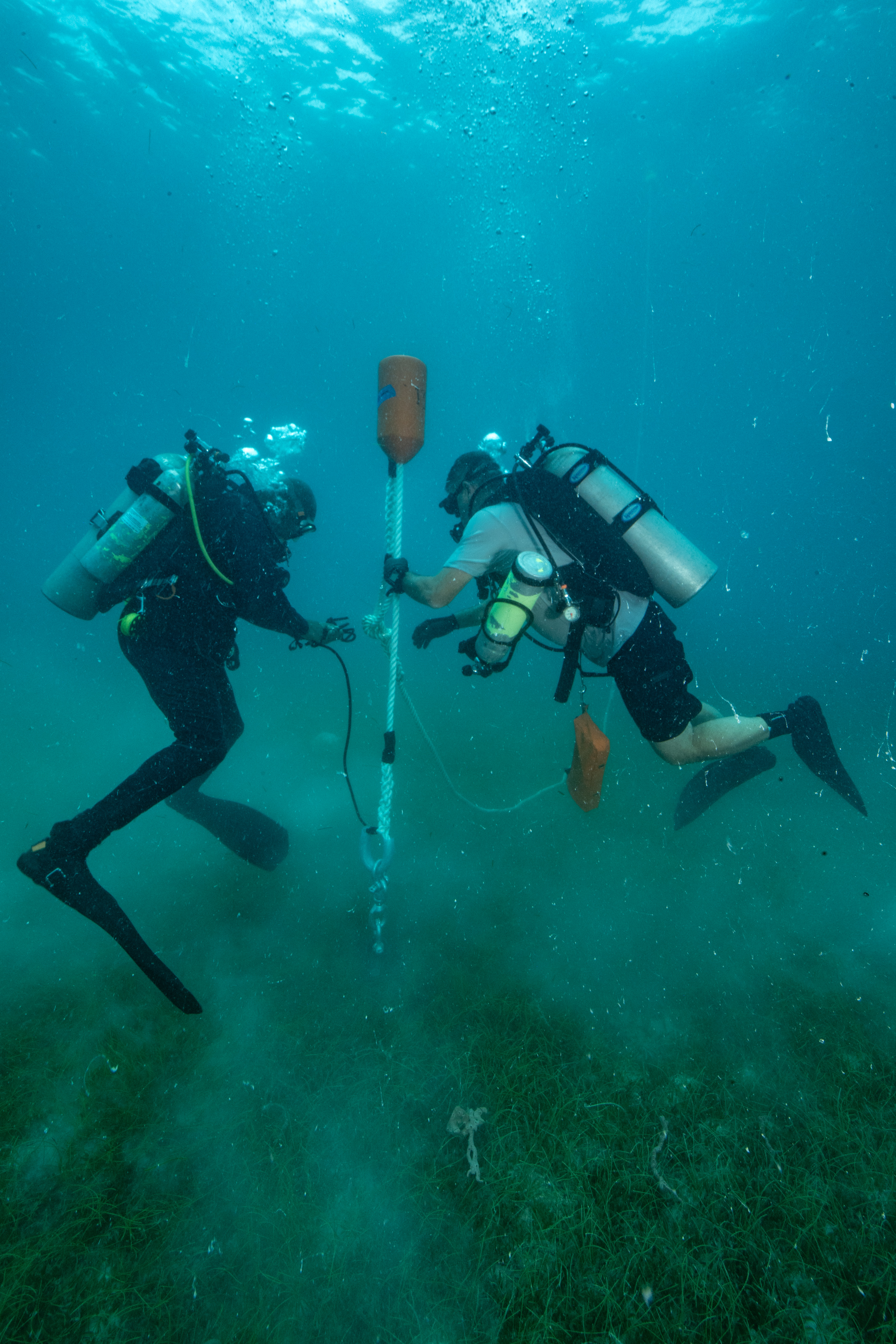
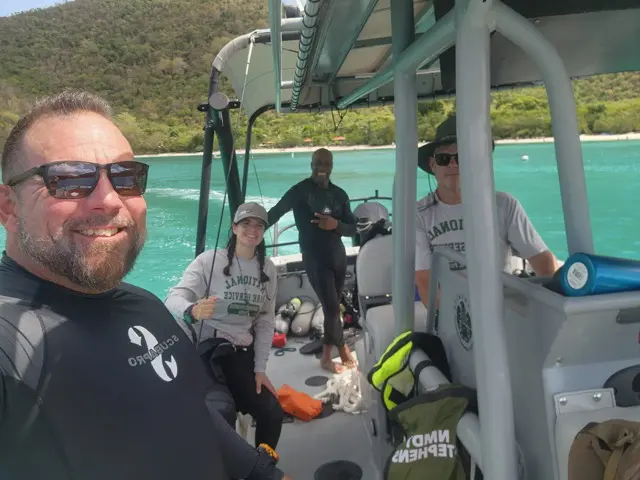
The National Maintenance Dive Team (NMDT based out of the Submerged Resources Center, provides parks nationwide with specialized maintenance diving expertise. By drawing qualified NPS divers from across the Service and matching their training, experience, and demonstrated competency to project requirements, the NMDT provides specially trained NPS Divers, expertise and equipment without maintaining it independently. Over the course of the project, the NMDT or, as Jeramy once said the National Maintenance Diva Team, replaced 89 mooring systems across 13 bays. The work required 193 dives and more than 2,600 total minutes underwater. And the whole team still had all 10 fingers at the end of the project, which felt like a nice bonus.
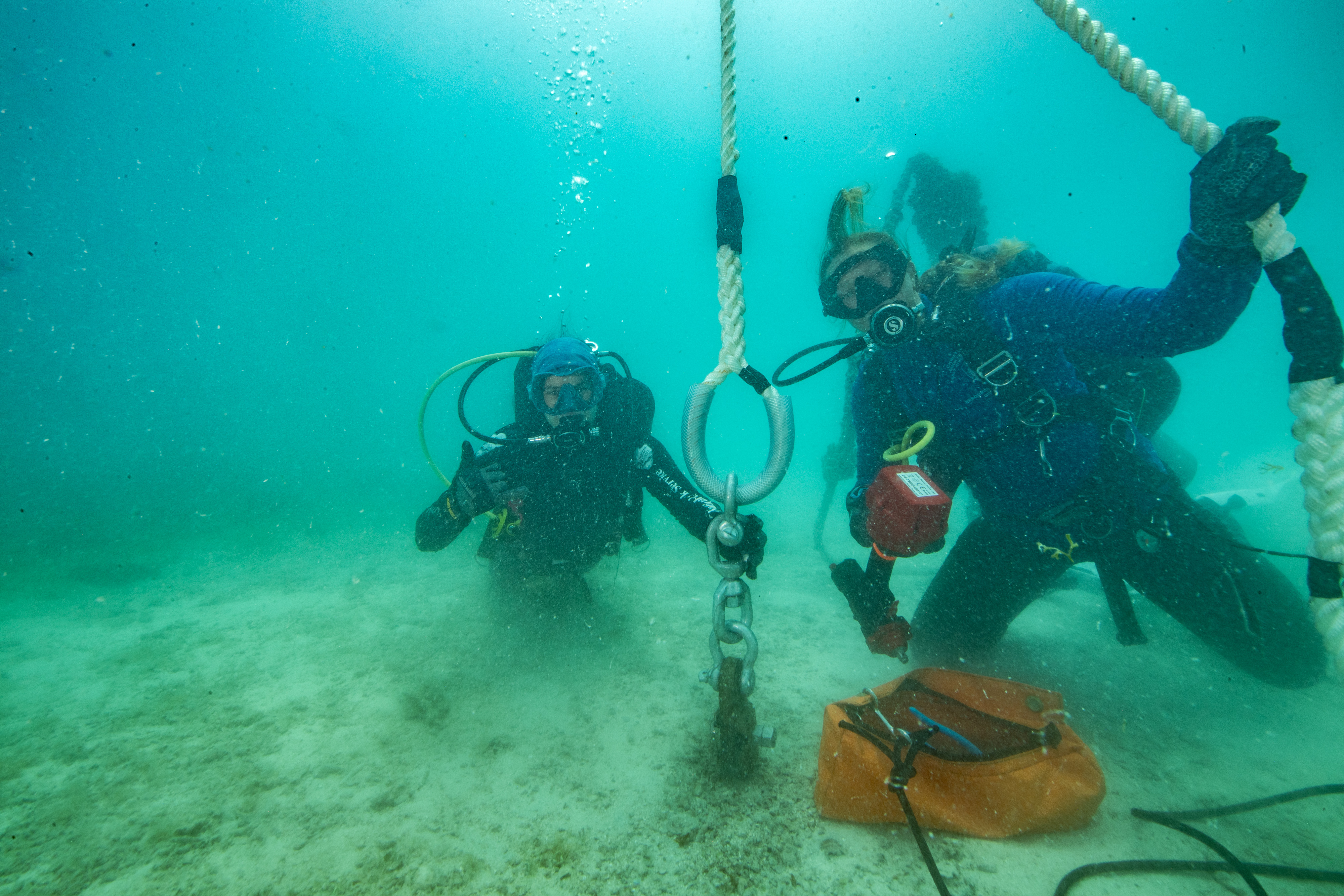
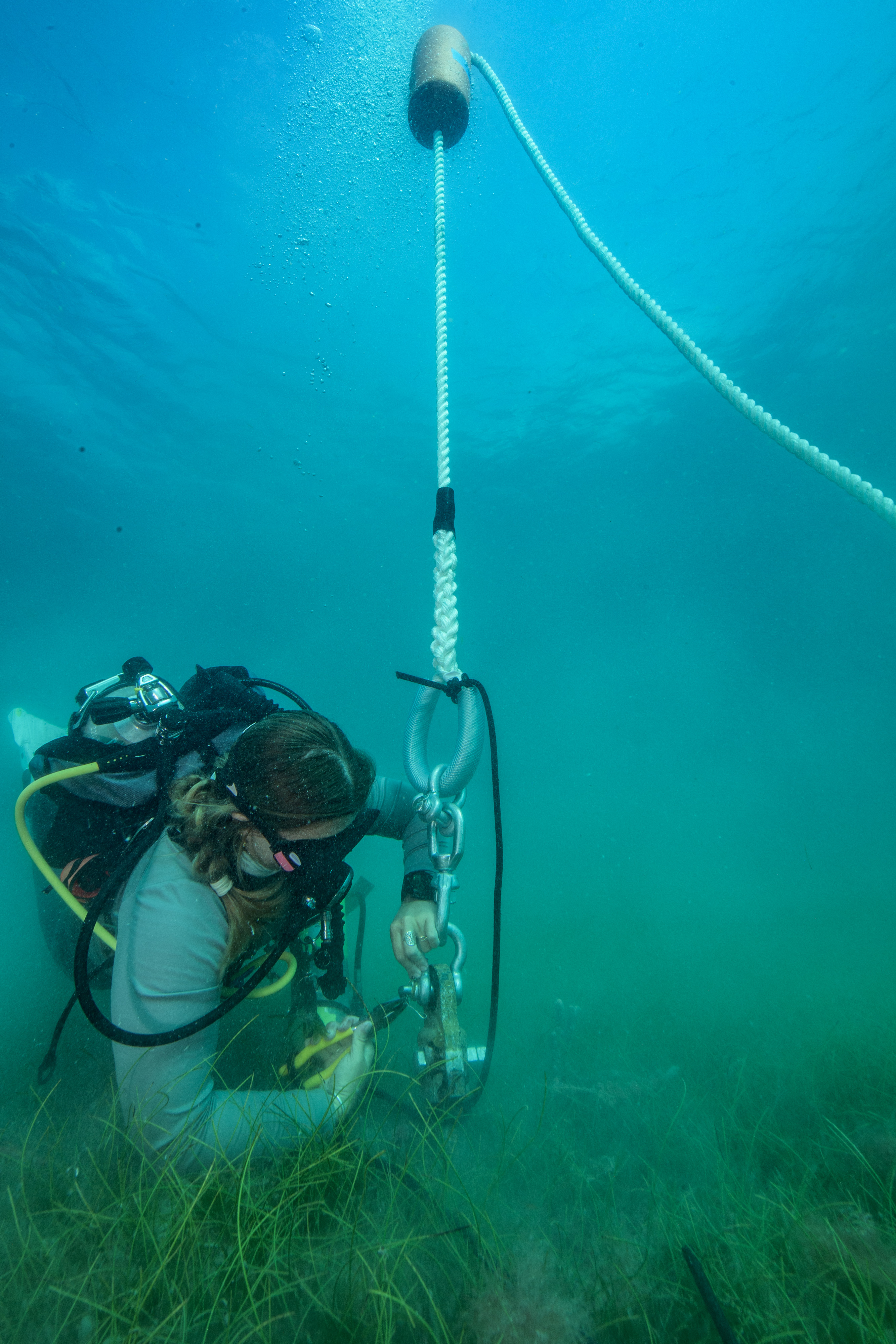
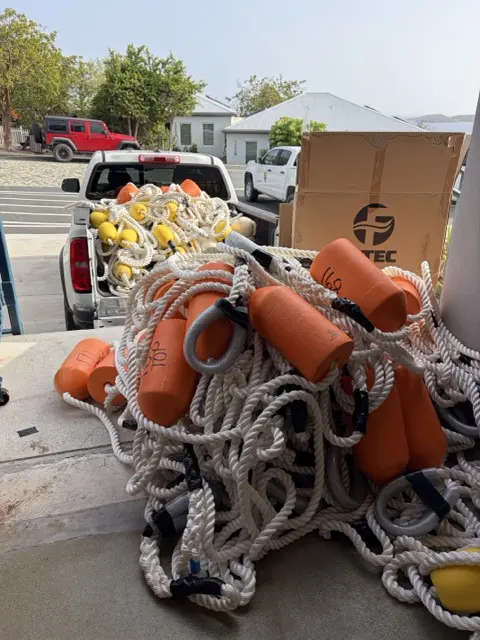
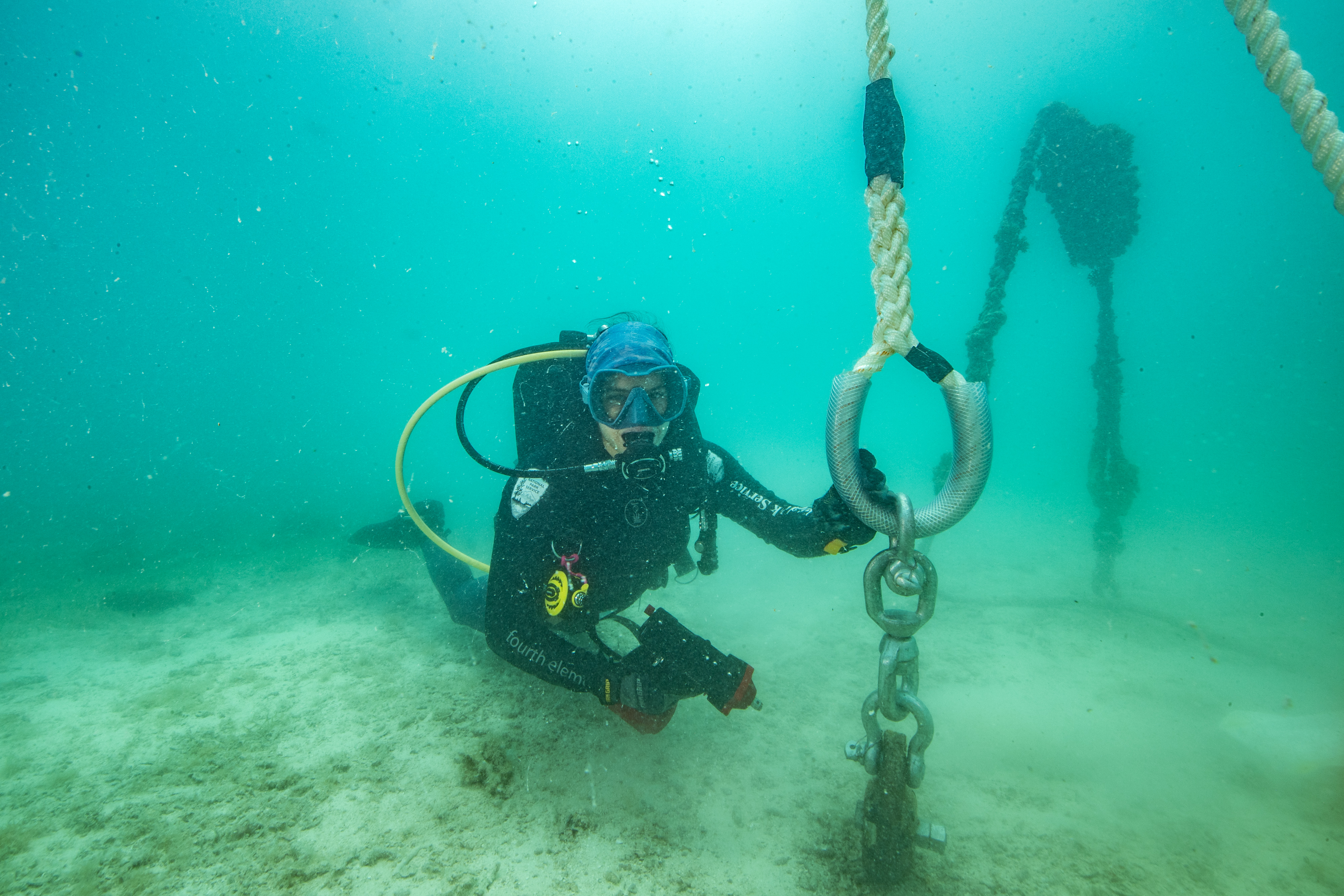
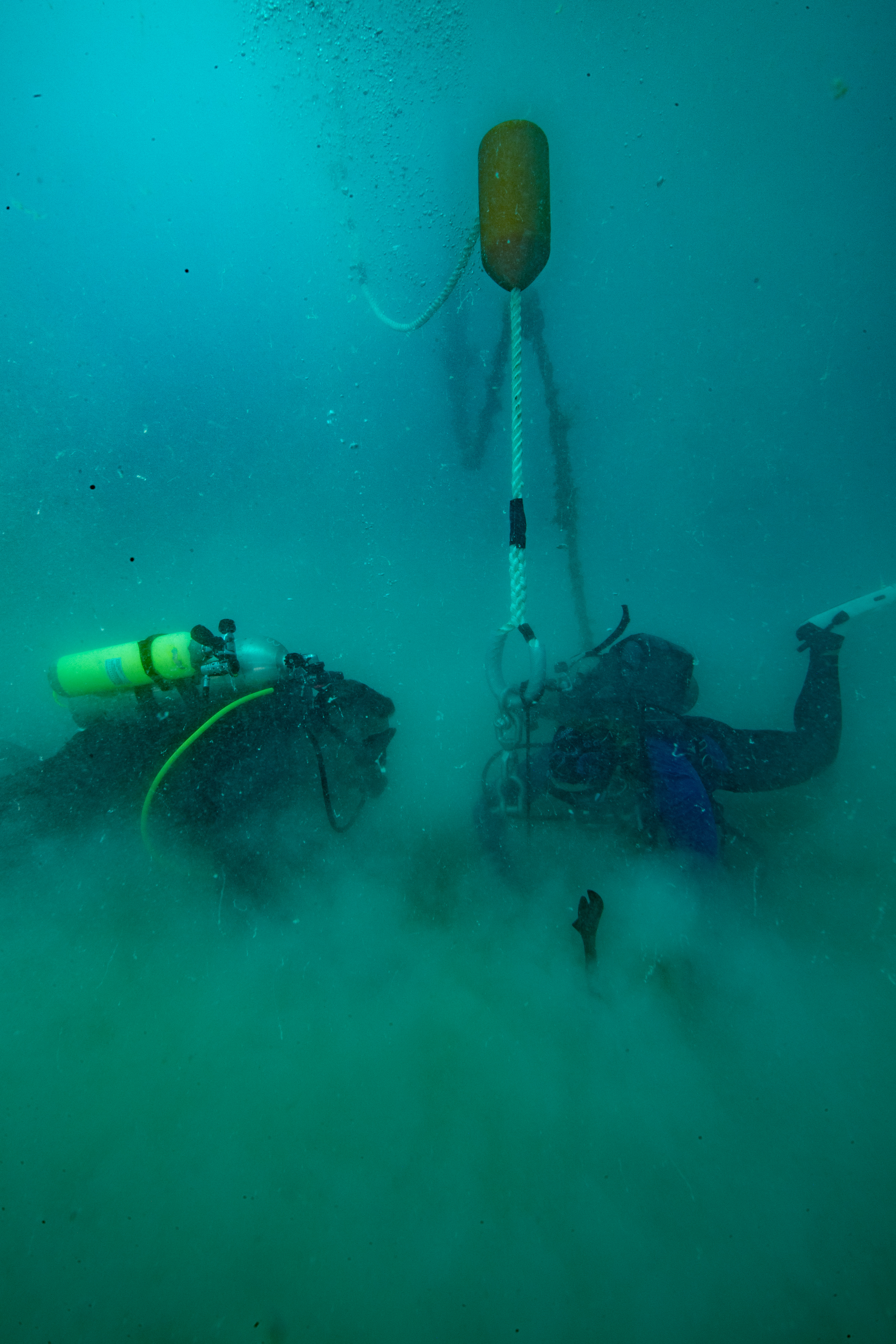
Each mooring system begins with a sandscrew anchored deep into the seafloor, some of which were originally drilled as far as 12 feet down during a larger commercial installation project. From there, the system consists of a pin and shackle, a mid-water float, a surface pendant, and ultimately a mooring ball.
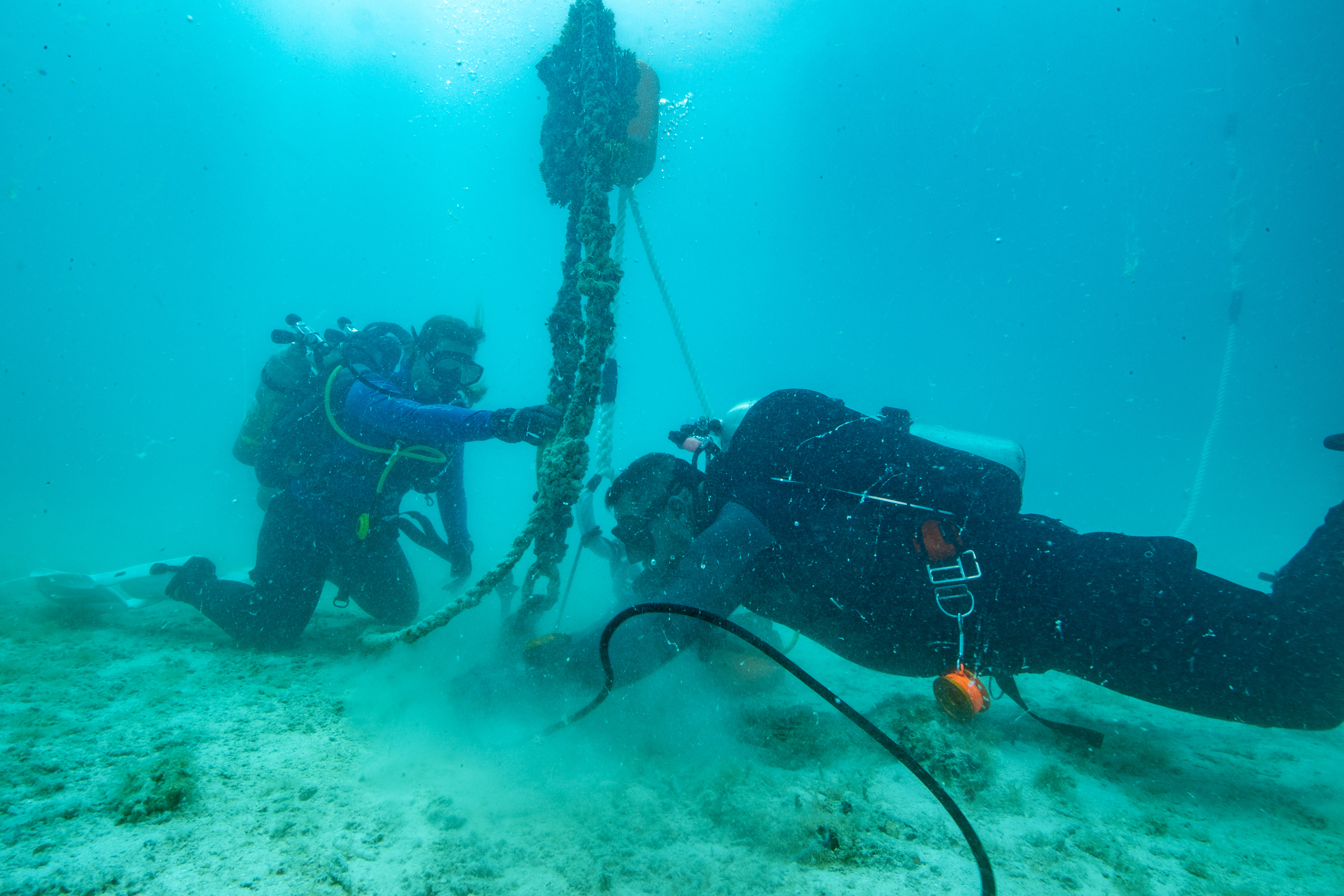
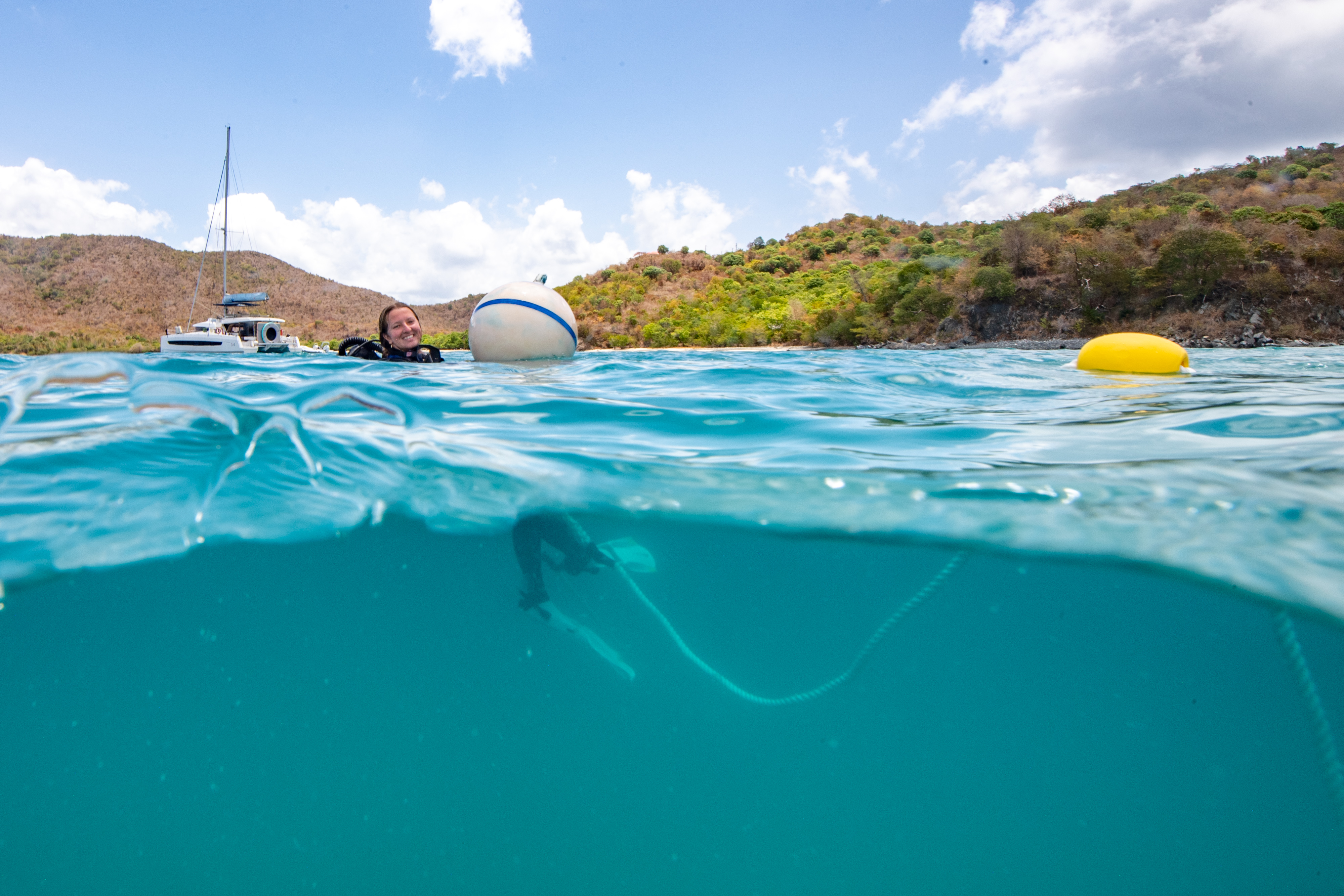
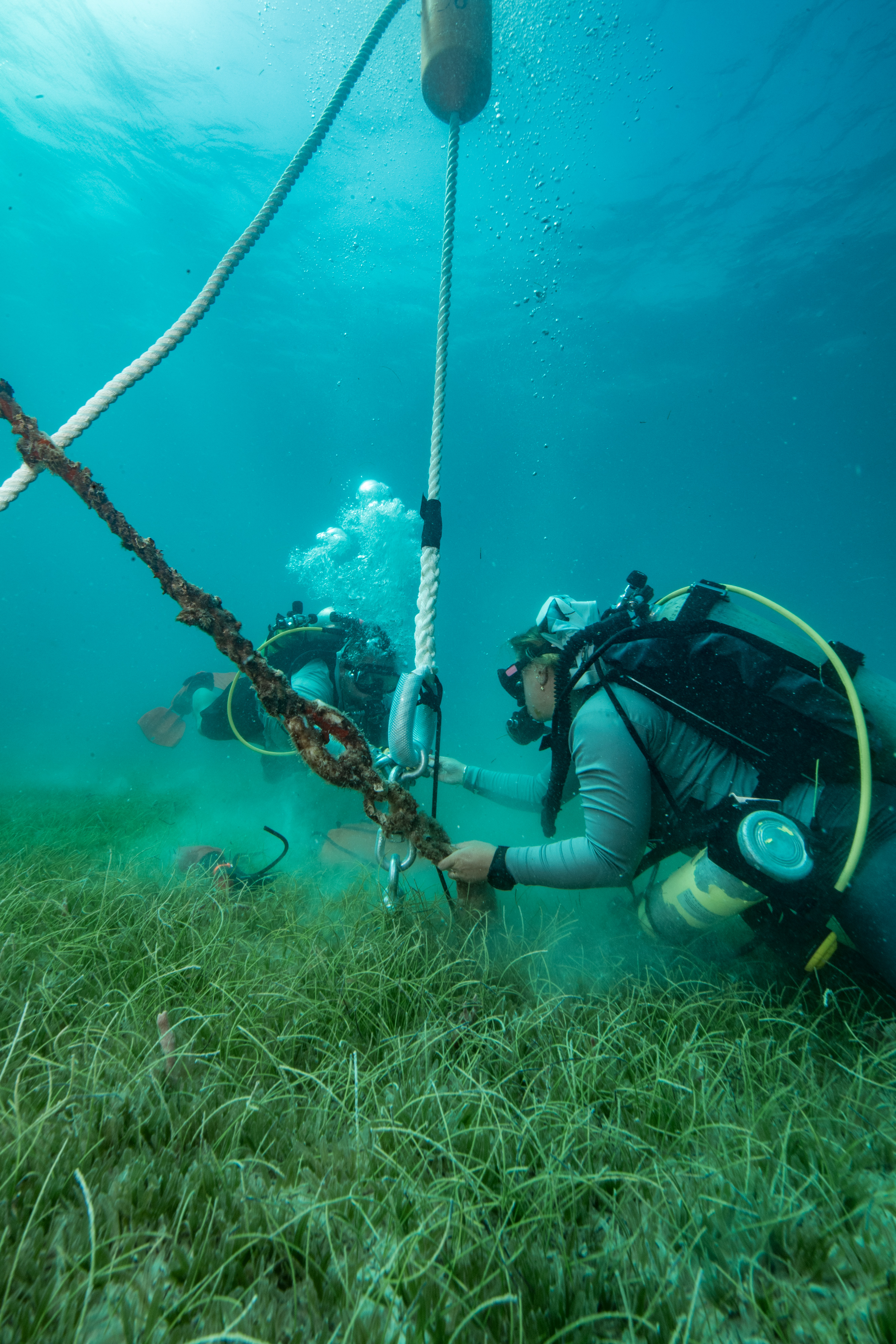
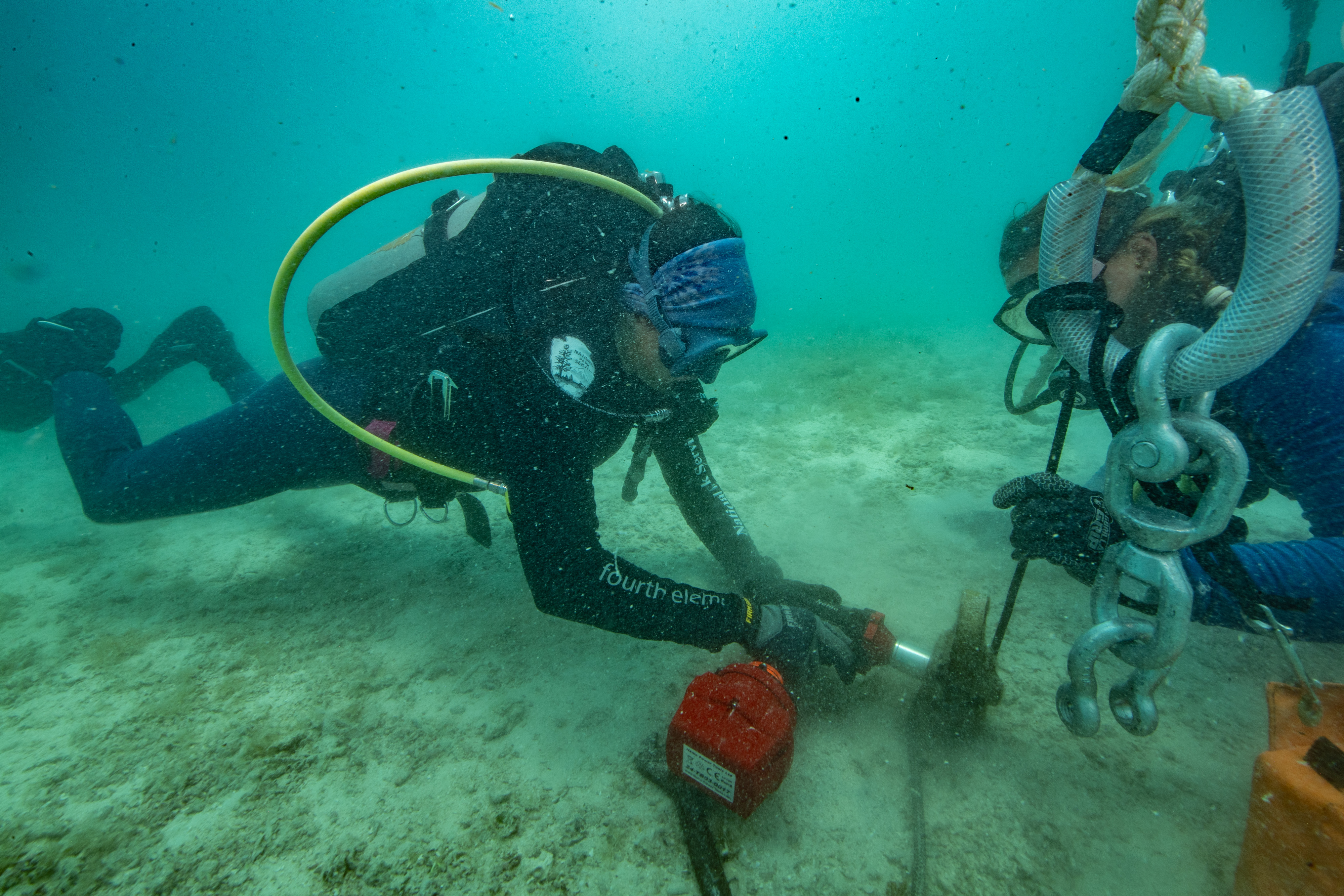
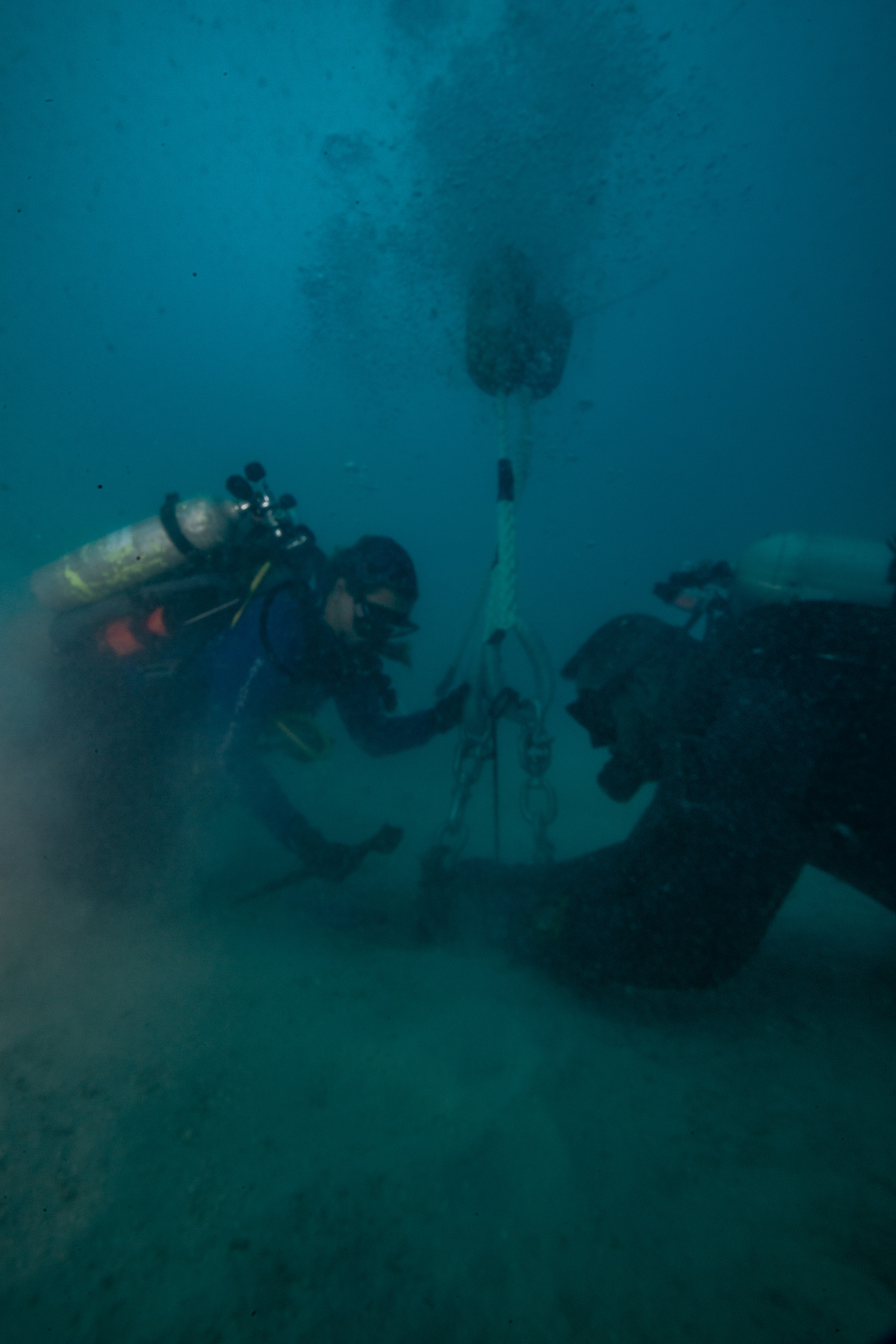
Replacing a mooring underwater was a coordinated process. Each dive team carried down the tool kit, the new system, and the impact drill. The dive began with detaching the old system, then we attached the new shackle to the base, and finally, at the surface, we attached a mooring ball. Once I understood the sequence, I started to appreciate just how much planning was behind what looked from the surface like a simple ball floating in a bay.
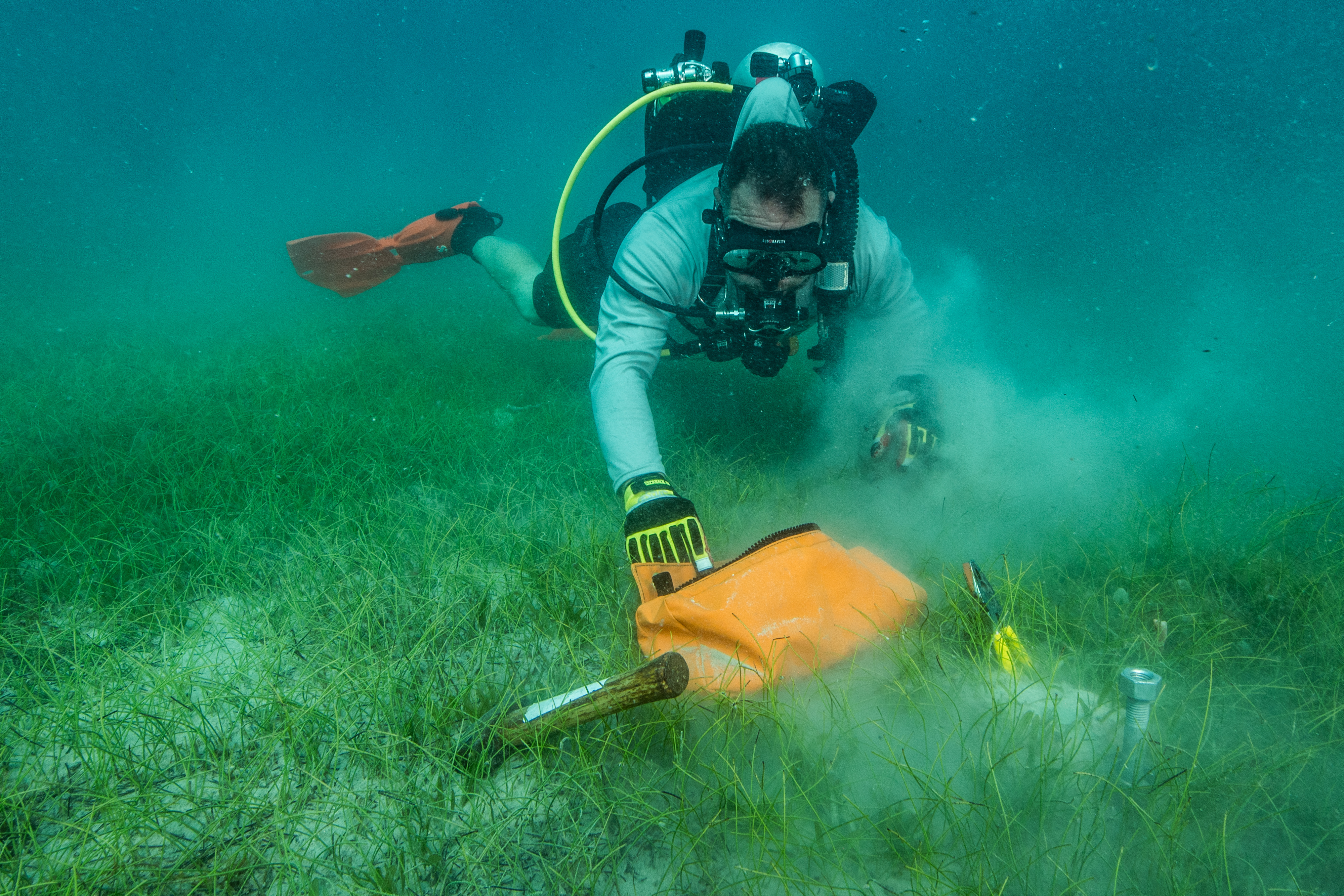
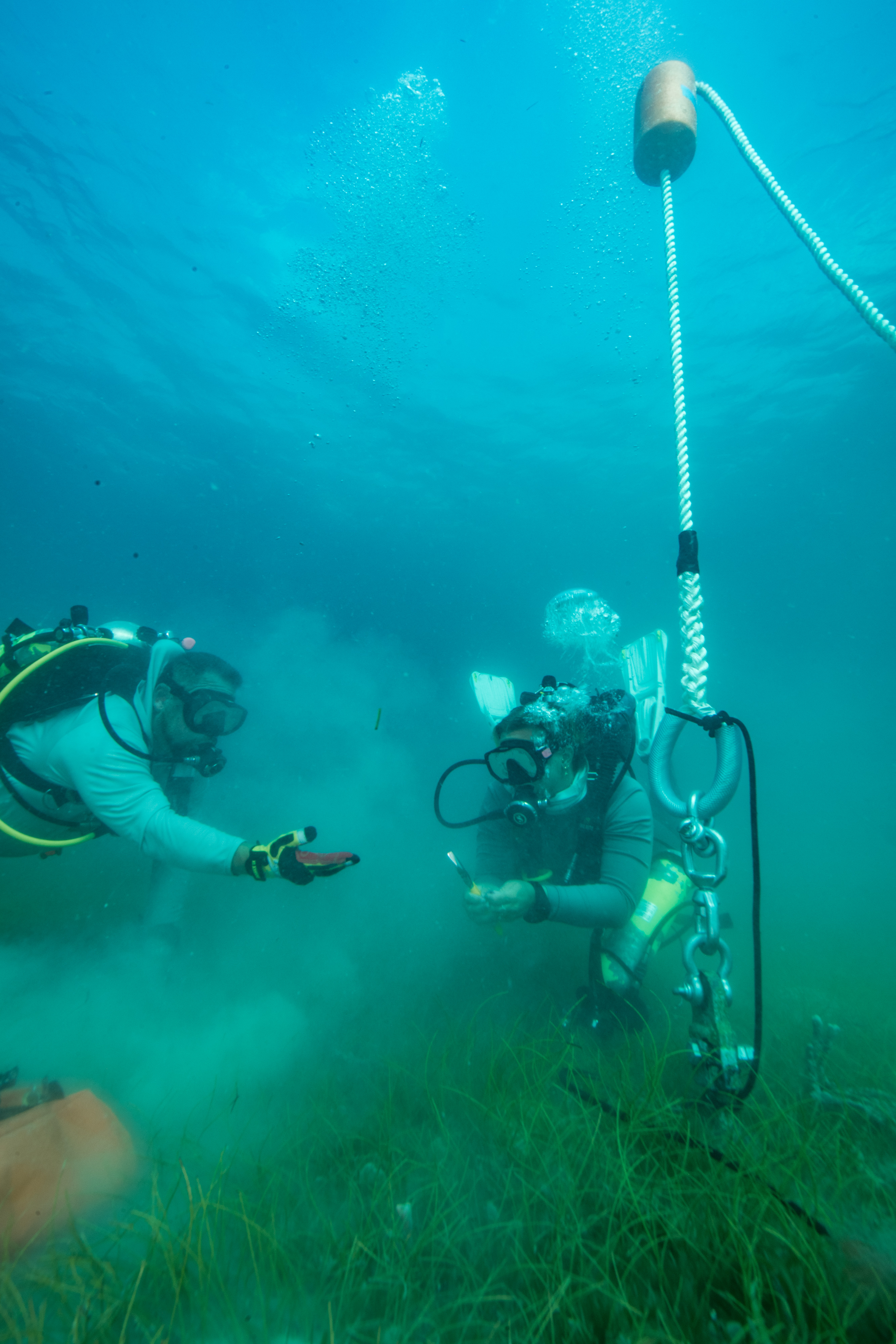
The learning curve was steep. Above water, Jeramy taught me to splice and ensured that my splicing was correct. Underwater, Glenn patiently passed me tools as I tried to remember what step came next. After a few systems, I felt proud to know what I was doing. I especially enjoyed learning how to use tools underwater. My personal favorite was the impact drill. I felt very powerful, as if Bob the Builder met The Little Mermaid.
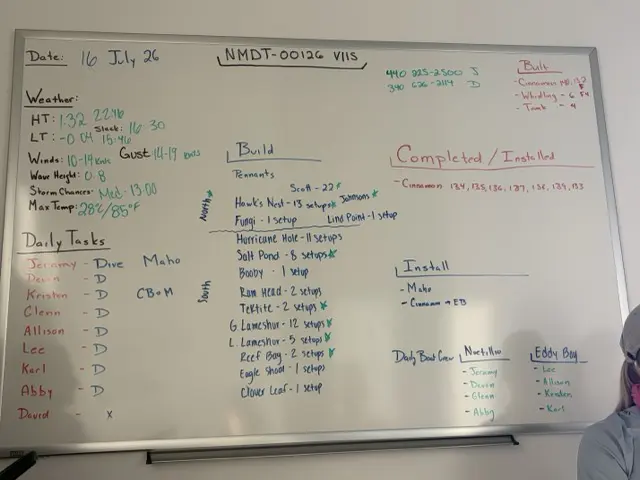
Maintenance diving on this scale also required an impressive amount of organization above water. Devon, who manages marine resources for Virgin Islands National Park, maintained a detailed spreadsheet tracking each bay and the moorings that needed to be replaced. Jeramy led our daily briefings at a whiteboard, where we divided up dive teams, sites, and assignments before heading out.
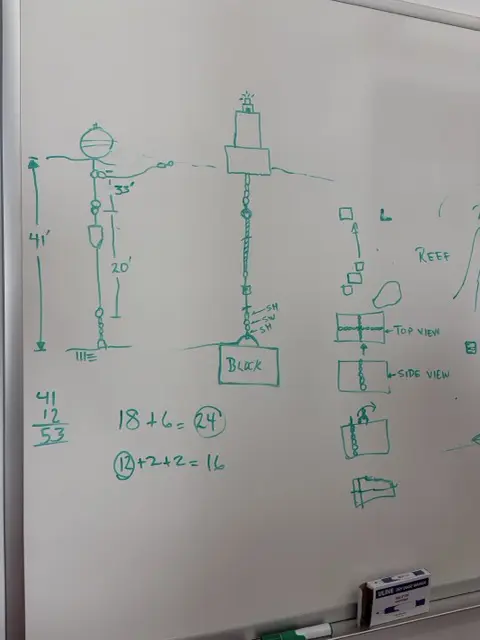
On dry days, we built the systems we would later install underwater. That meant splicing rope, attaching floats and pendants, organizing hardware, and making sure we had enough mooring balls for the next round of sites. By the end of the week, I had spent considerably more time thinking about rope than I could have ever anticipated.
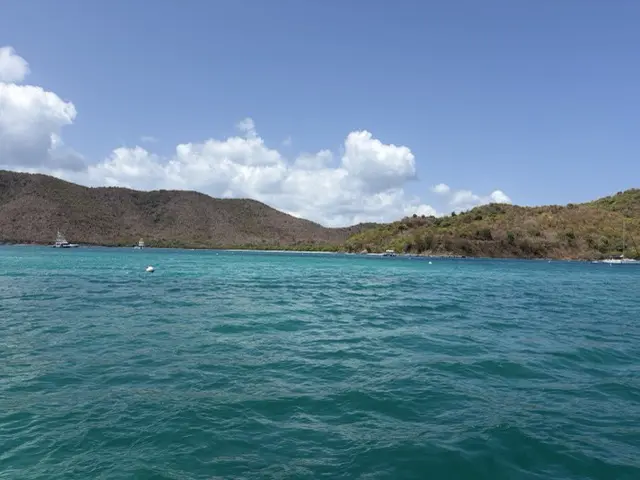
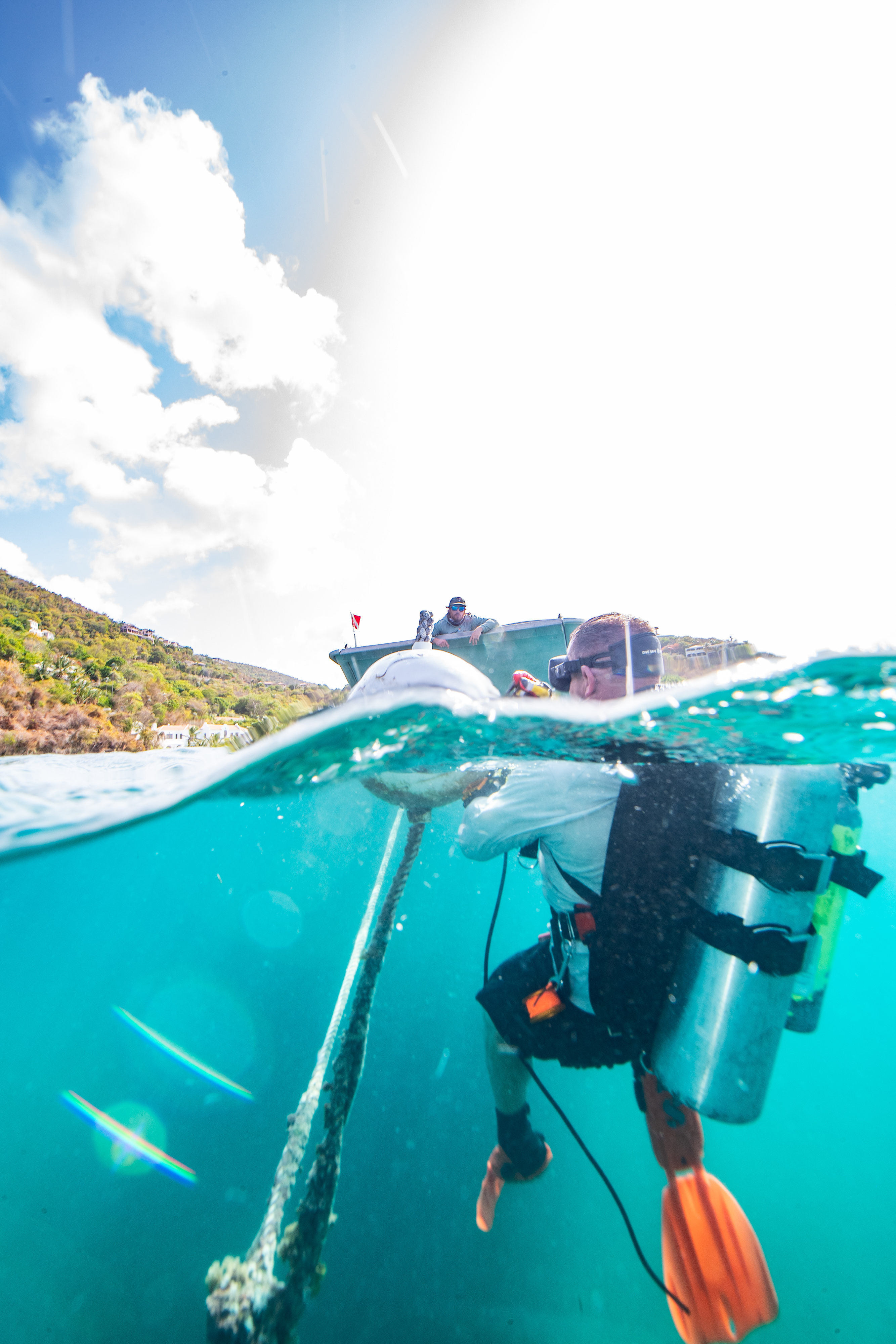
Dive days were the payoff. We moved between bays around St. John, completing a series of dives while teams removed old components and installed the new systems. Working across different parts of the island also meant that our “office” changed constantly. And every view was stunning.
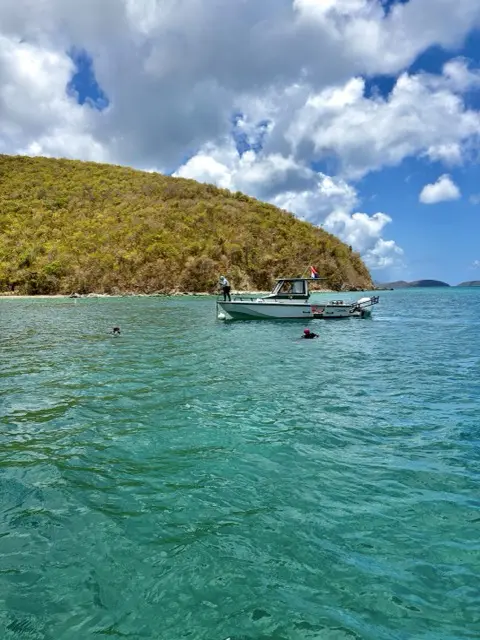
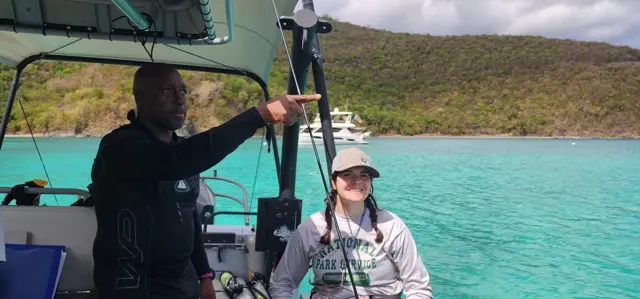
Before this project, when I thought about scientific diving and marine conservation, I often pictured research surveys, underwater photography, or collecting data. The Buoy Blitz showed me another side of protecting underwater environments. Sometimes conservation looks like an impact drill, several hundred feet of rope, and managing floats and pendants.
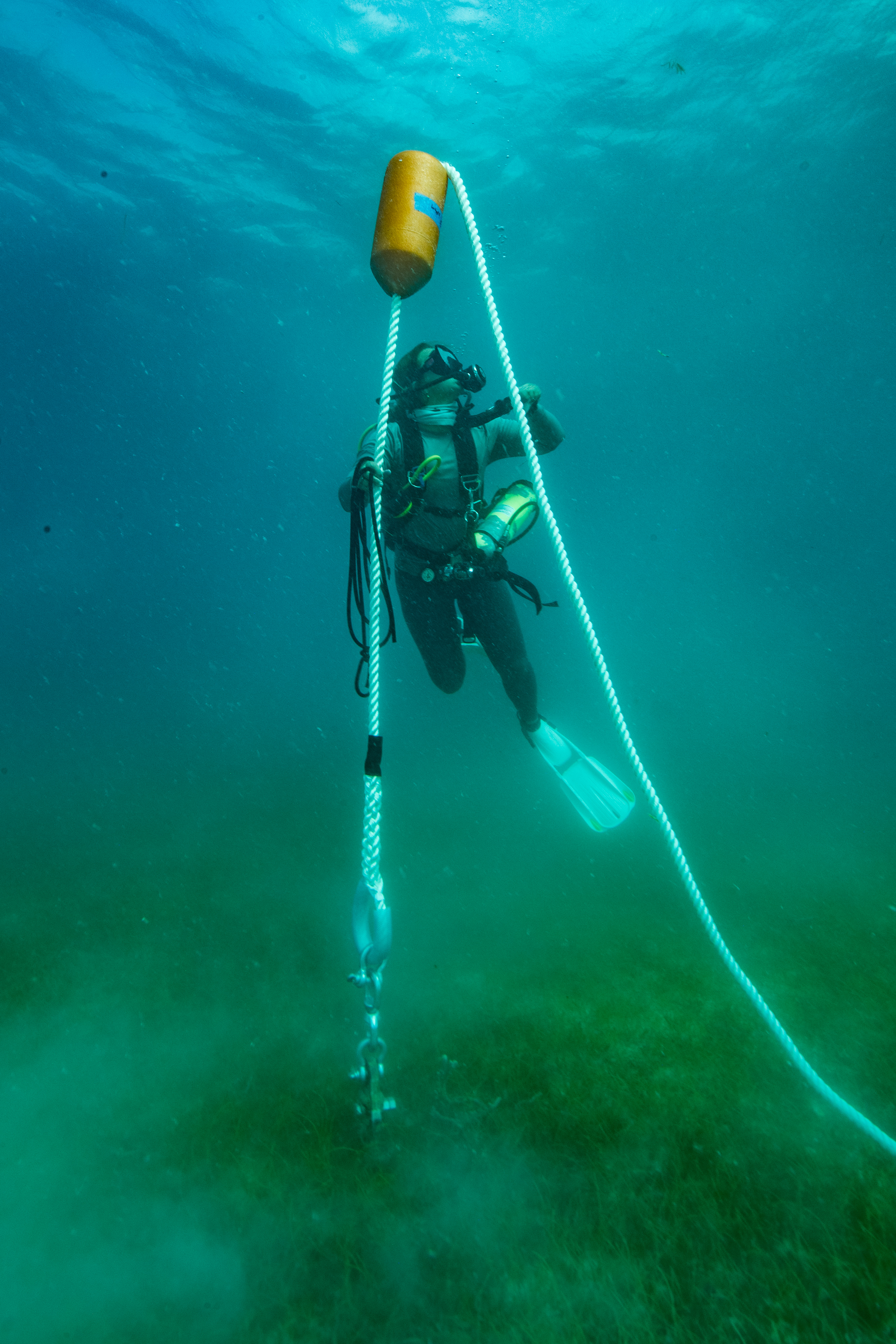
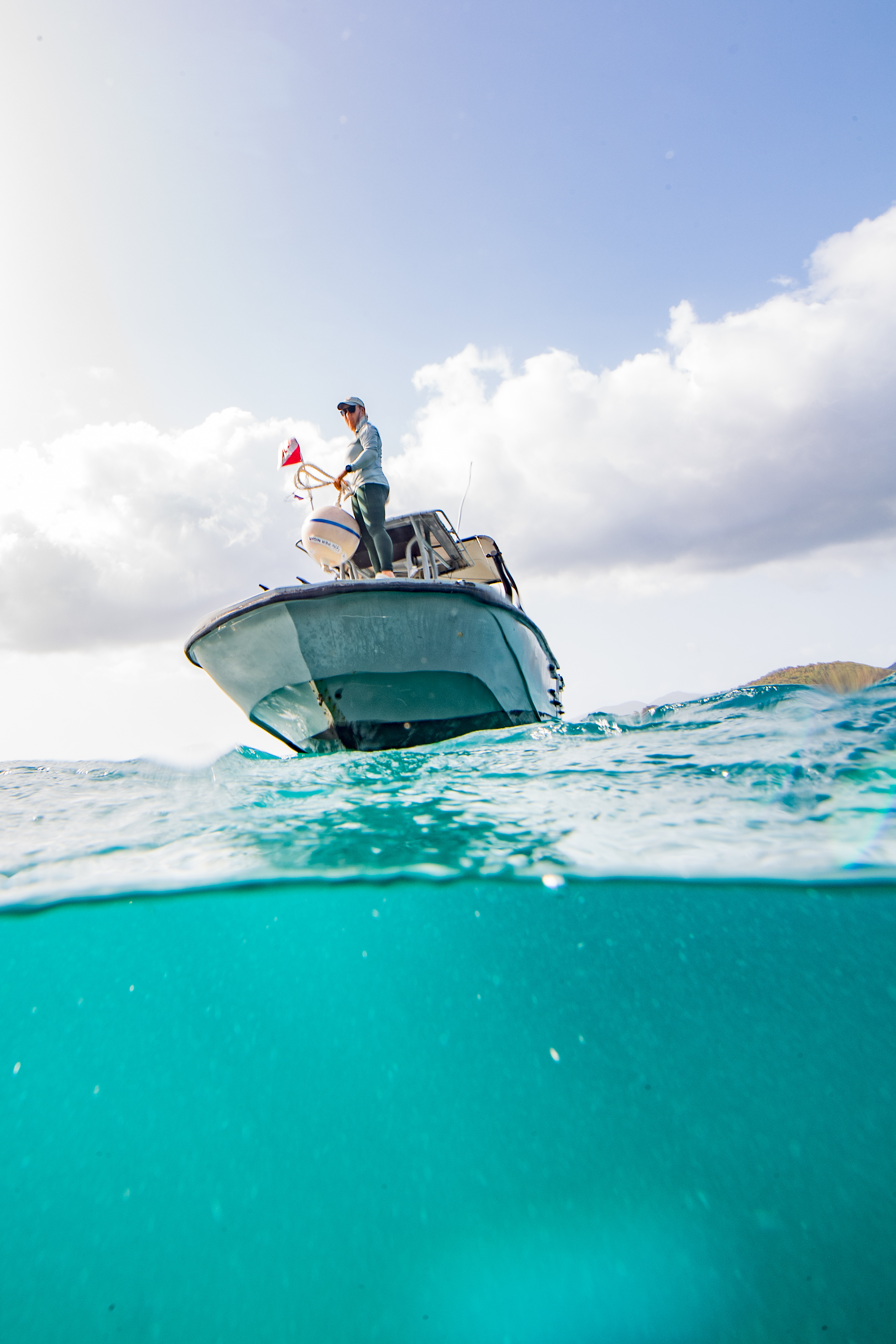
The work may not have been glamorous at every moment, but replacing these systems means boaters can continue enjoying St. John’s bays without dropping anchors onto the habitats below them. It made me appreciate how much behind-the-scenes work goes into maintaining a national park, even beneath the surface.
Thank you so much to the National Maintenance Dive Team for welcoming me and showing me the ropes (literally)! I had an amazing time working with you all!