While the main objective for our AAUS internships this summer is to assist with the U.S. National Science Foundation Research Experiences for Undergraduates (NSF REU) pinto abalone projects, Maddie and I took opportunities to collaborate with other incredible researchers in the area. Because of the good relationships between Shannon Point Marine Center and the community around, we had access to unique opportunities that ended up being some of the highlights of this summer!
Samish Indian Nation – Pycnopodia Restoration (Sunflower Sea Star)
The Samish Indian Nation is a Central Coast Salish and Northern Straits Indigenous group, known as “the giving people,” which is deeply connected to the region’s mariculture through specialized traditional ecological knowledge (TEK).
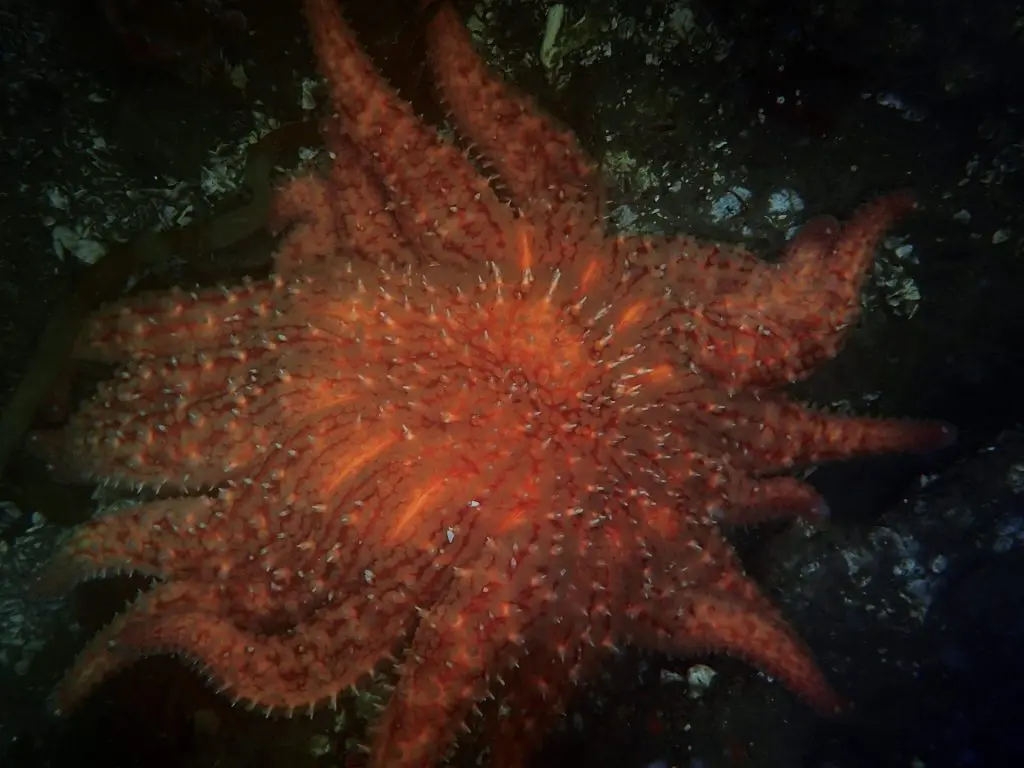
The Northern Coast Salish people intentionally cultivated and managed fisheries in the intertidal zone to support population food needs through clam gardens (W̱EÁLANEW̱), reef net fishing (SWÁLET), kelp stewardship (through their ancestor, Ko-kwal-alwoot), and now blends modern restoration with Indigenous ecology. The latter has included restoring the endangered sunflower sea star, whose population has been devastated along the entire west coast due to the starfish wasting disease.
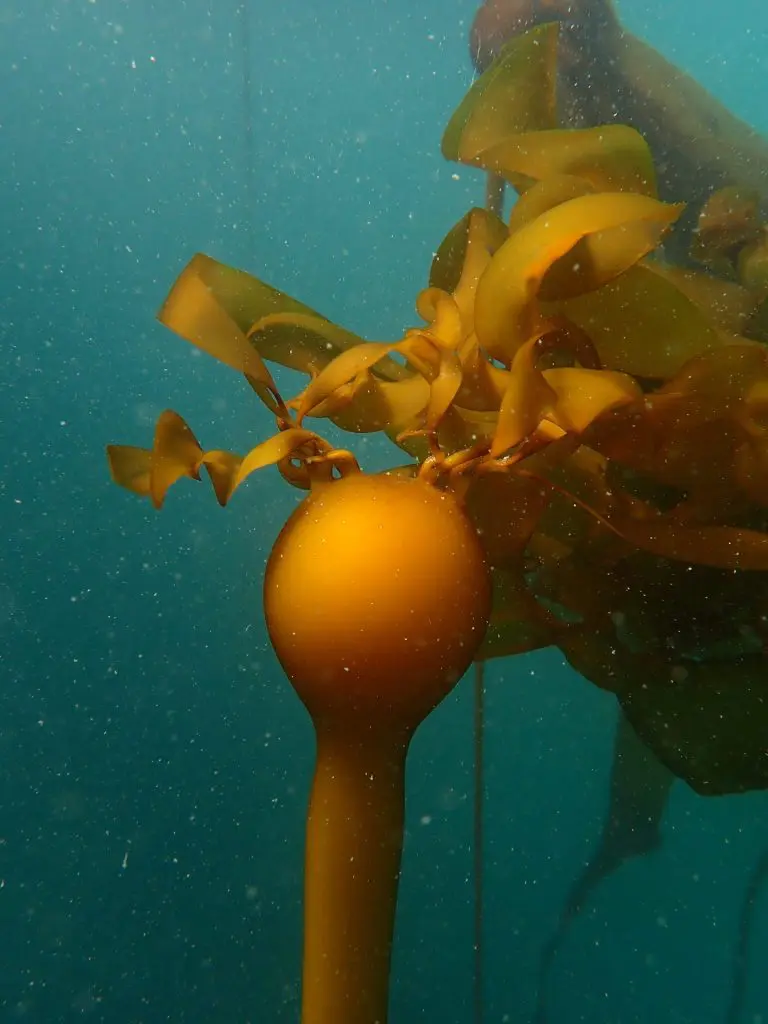
Maddie and I were thrilled to be called upon for a last-minute opening to join the Samish team, enabling us to monitor a restored area of sunflower sea stars. Now, despite my background in Caribbean coral reef organisms, I did know that this was a pretty big deal. Sea star wasting disease is the largest marine wildlife epidemic in recorded history. Beginning in 2013, it killed billions of sea stars across more than 20 species along the Pacific Coast of North America, reducing most species populations by 90%. This loss has resulted in imbalances in the food web, allowing sea stars’ prey, urchins, to have a population boom that has been devastating to kelp forests.
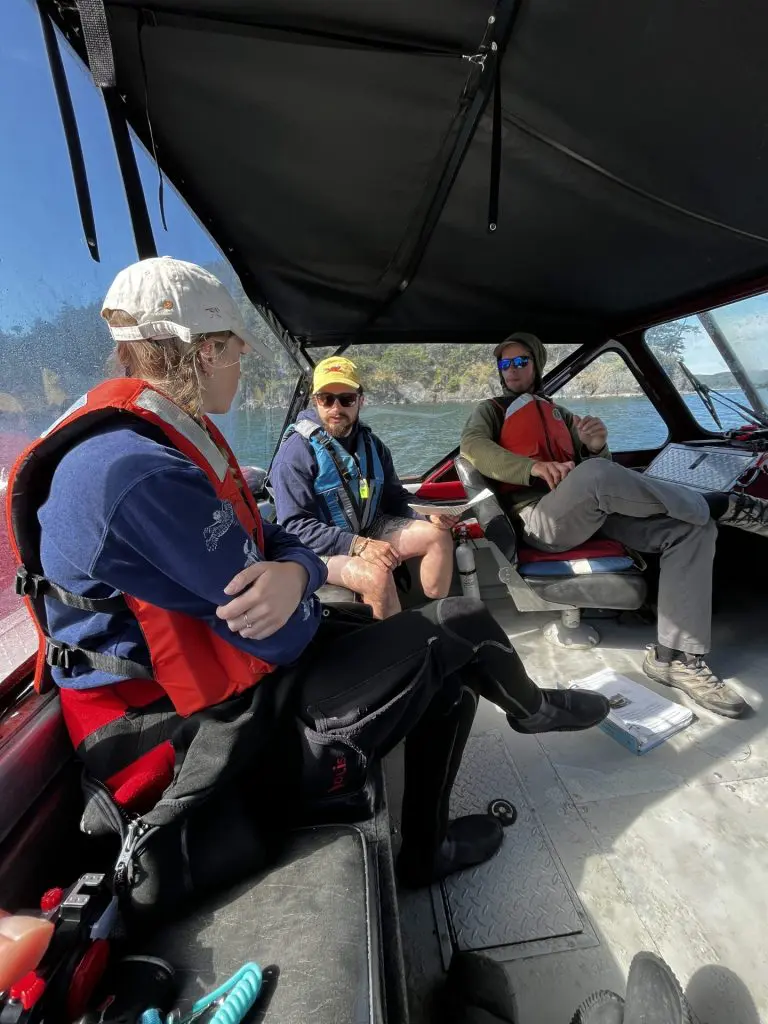
Now that you’re all caught up to speed on why this was such a cool opportunity, let’s get into some more details of the day. After a quick scramble to ready our gear, we were off to the site where the Samish Indian restoration team had put out some stars earlier this year. We hashed out buddy plans, designated roles, and set contingency plans, and next thing I knew, I was sifting through PILES of kelp. There were times when I was so deep into a kelp pile that (in conjunction with all of the silt I disturbed by pulling back the streaming kelp from the sea floor) the sunlight disappeared.
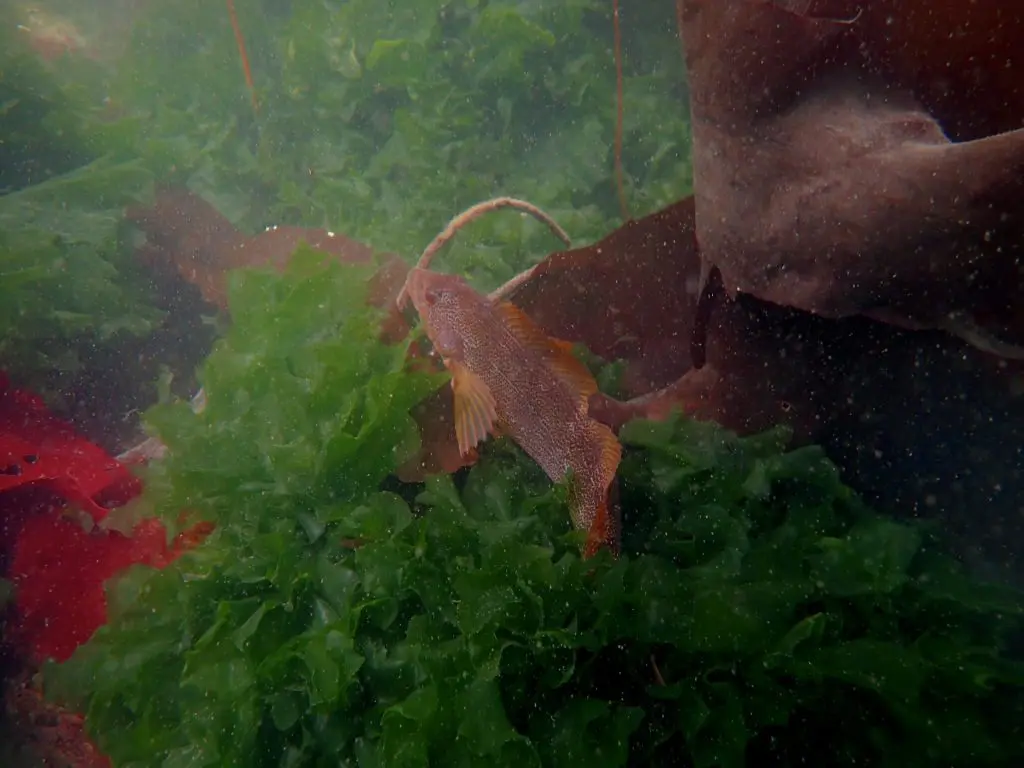
To my delight, Scott and I found some starfish that Maddie and Sam hadn’t already found. These stars were still juveniles but were already the size of my head! After an hour, when my fingers were hurting and I couldn’t even feel my toes, we ended the dive, with a total of 9 sunflower sea stars observed! Nine may not sound like a big deal to many people, but for a population that lost >90%, every star counts as a win!
Maine Maritime Academy and Walla Walla University Rosario Beach Marine Laboratory – Ruby Octopus Collection and Feeding Trials
Dr. A. Verde is a longtime friend and collaborator with Shannon Point and the people who work there. I had approached Verde early on in the summer from advice from 2025’s Mitchell intern, Lily, as she said she had a great experience diving with Verde on the weekends. So when a text came from Verde about collecting octopi, Maddie and I again jumped at the opportunity.
On our drive to the dive site, Verde explained that the we’d be collecting ruby octopi from bottles that they seeded a site with. In the water, the task became peering into small bottles that had been encrusted with barnacles, shining a light along the bottle’s body to find a mass, and look for the key sign — shells at the ‘door’ — to signal someone is home.
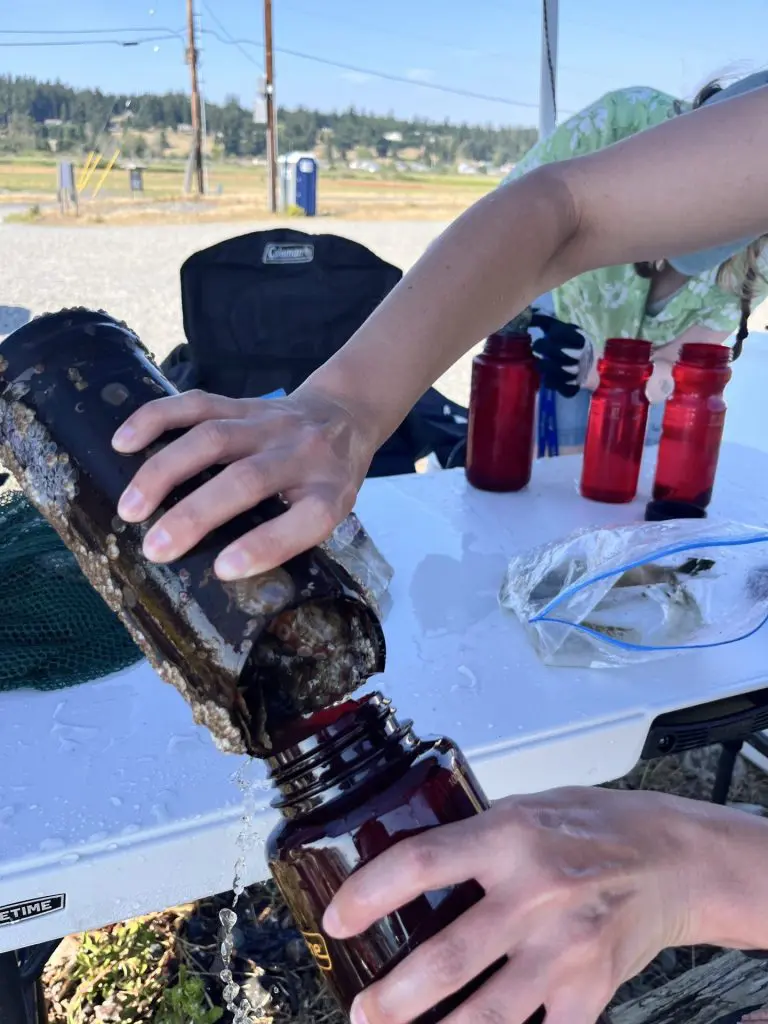
All together, Maddie, Verde, and I were able to collect 13 octopi on the dive. These octopi would be used in Verde’s student’s research, experimenting if there was prey preference between pinto abalone and other primary prey in their diet.
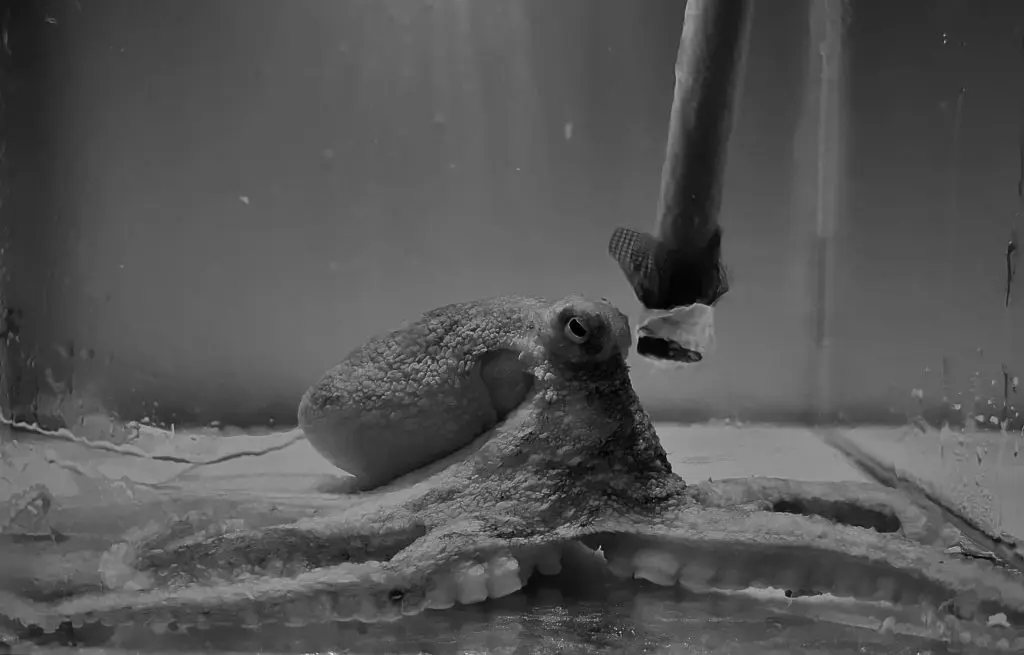
This was my first time being able to see and handle an octopus up close! As someone who has pursued marine organisms without a brain, it was so different to see something that thinks and reacts to what we do! Through this collaboration, Maddie and I were able to support research for Maine Maritime Academy and Walla Walla University’s Rosario Beach Marine Station Laboratory.
University of Saint Andrews – Hydrophone Maintenance
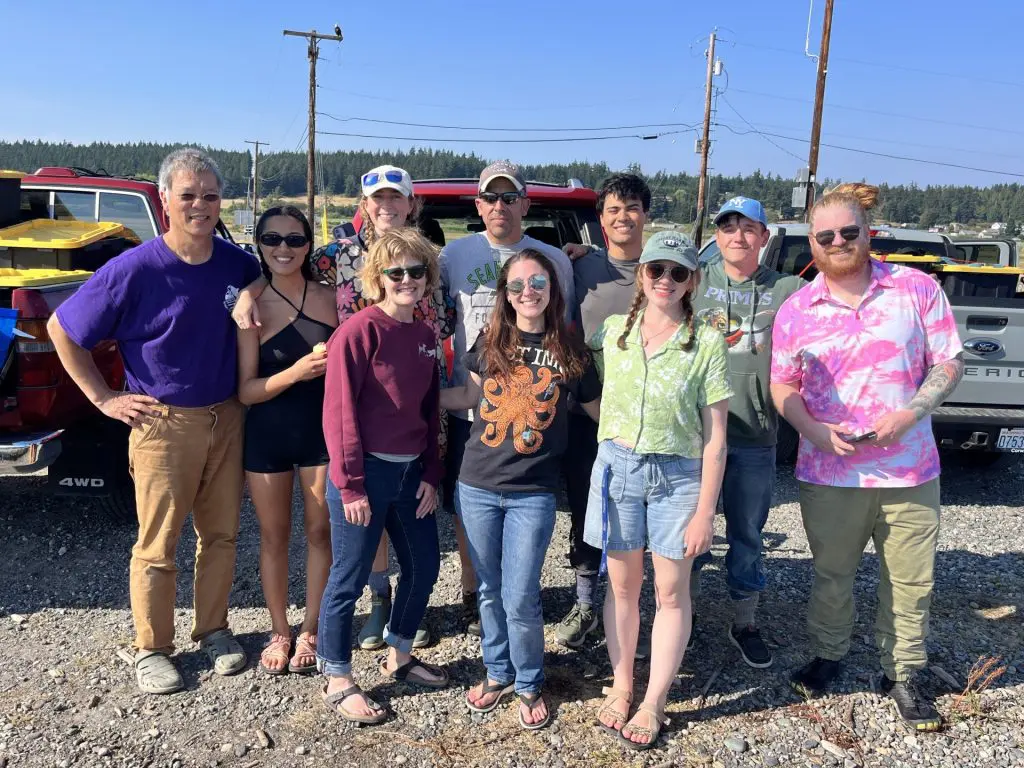
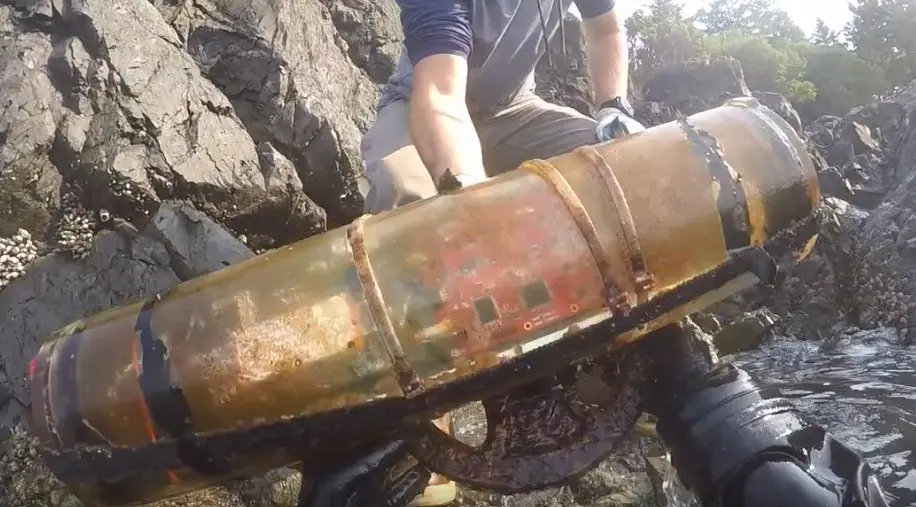
One of the coolest dives Maddie and I have done was servicing and replacing the hydrophone at Lime Kiln Point State Park. Our mission was to assist Dr. Jason Wood, who works for the Sea Mammal Research Unit (SMRU), the world’s leading marine mammal consultancy.
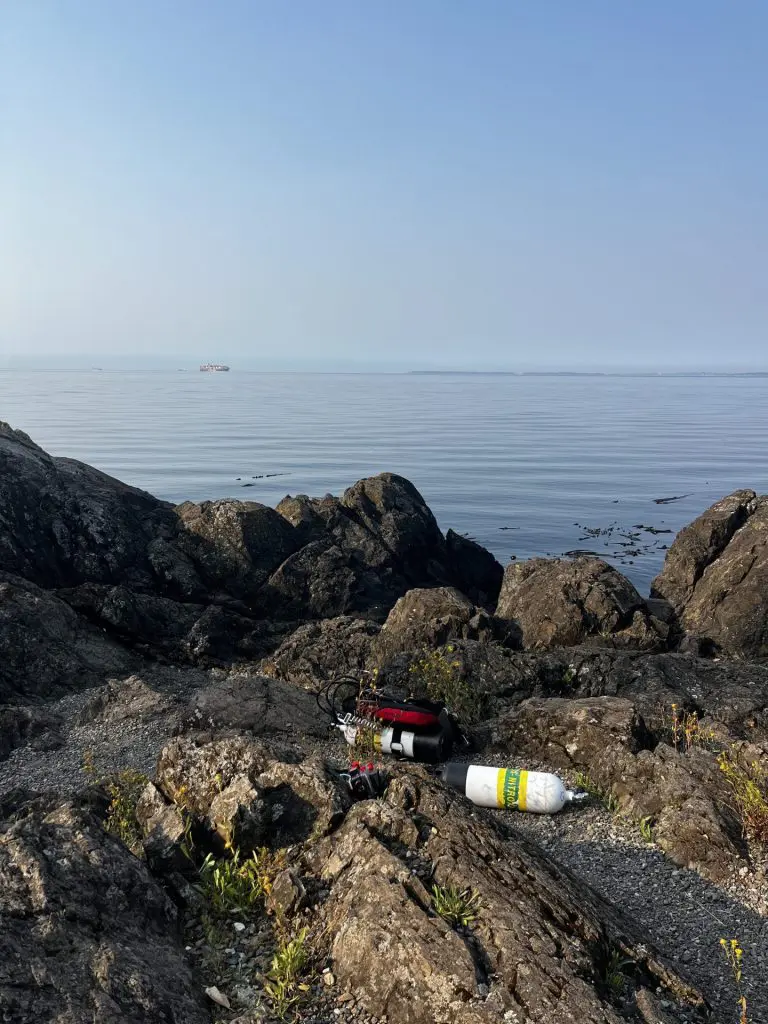
The purpose of the hydrophone at Lime Kiln is to monitor the speeds of the major shipping vessels as they head into Vancouver. The San Juan Islands are known for their orca whale populations, and Dr. Wood told us that this hydrophone work has been the key in helping reduce freighter speeds, even by 10%, to cut down on water pollution noise, ultimately making the environment more suitable for the orcas to hunt.
I likened the reduction of noise to my childhood and living next to a quarry, with dozens of diesel trucks passing every day using their exhaust engine breaks instead of wheel breaks — a quieter change.
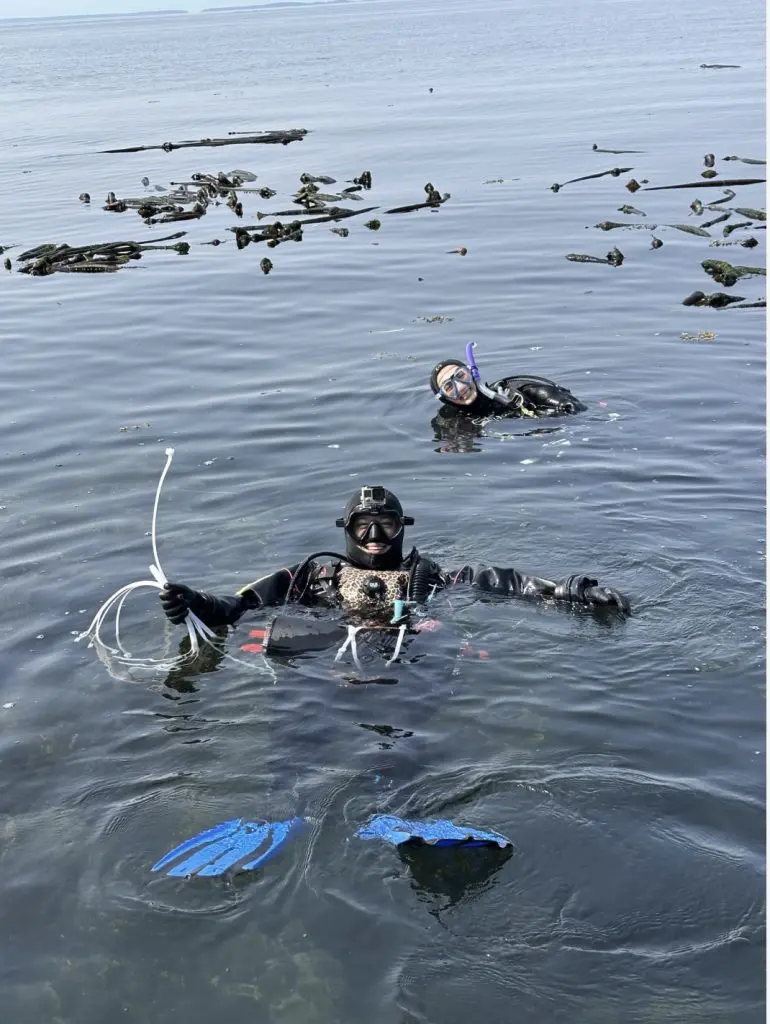
We were blessed with an incredible day to dive this location. Normally, the steep and jagged climb down to a breaking entry would be expected, but on this day we were instead able to get into a perfect slack. Diving in new locations can sometimes be intimidating, especially when our adviser Derek has described the multiple hazards that could occur, but we instead had around 35-foot vis and no current.
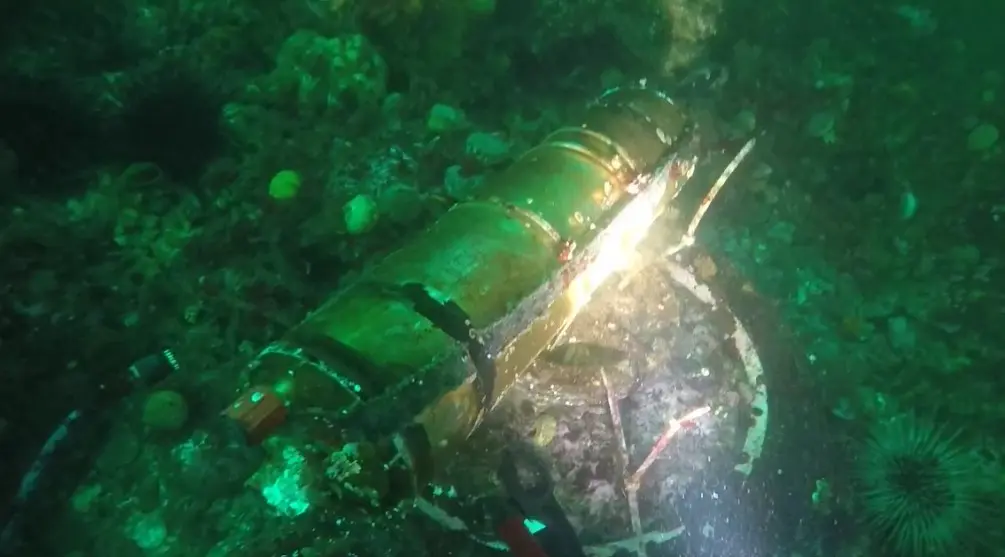
One of the best anecdotes of the day comes from Derek, as he recalled looking over at Maddie and I underwater and thinking about a scene from Oceans 11, where Rusty (Brad Pit) rescues Basher (Don Cheadle) from a mock police scene, slipping him components to rig an explosion. Basher says “Oh, that’s terrific! It will be nice working with proper villains again.” It was a wonderful comment on our technical abilities during the dive and comfortability in the water.
Shannon Point National Science Foundation REUs – Hydrothermal Vents
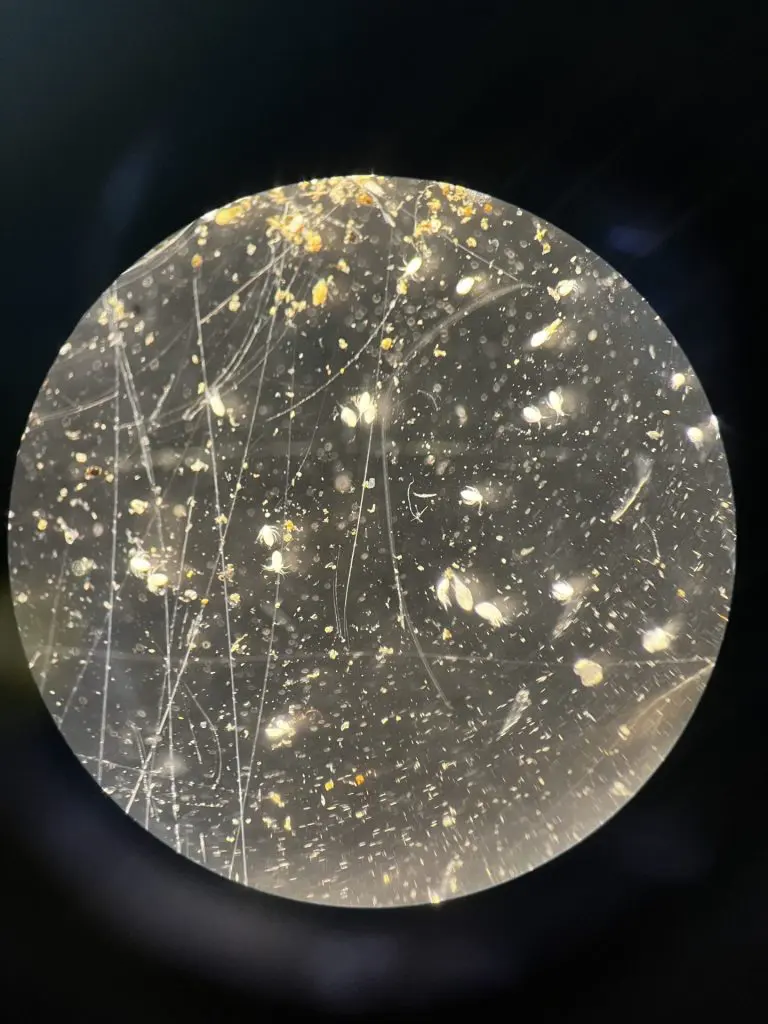
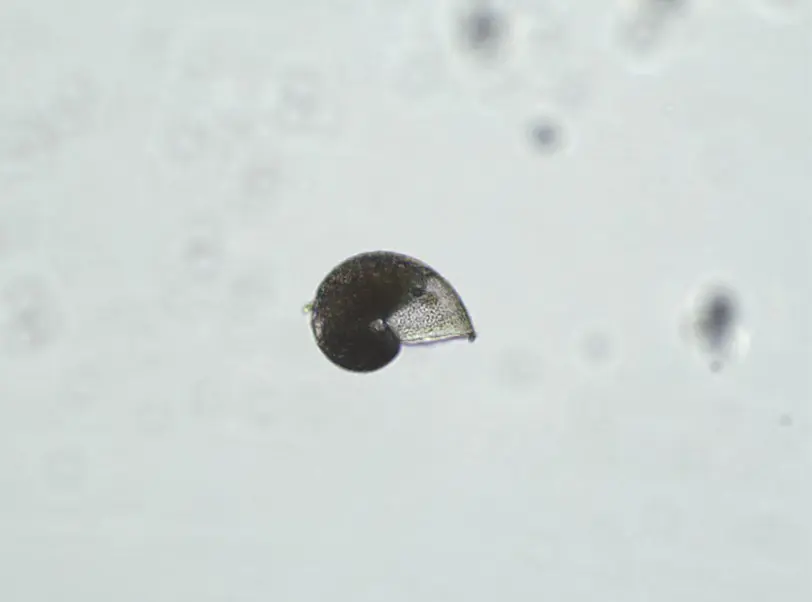
Maddie had the time to help with zooplankton sorting for REU student Noell Fritz, who was looking at hydrothermal vent communities in the West Pacific.
Ash fallout from explosions acts as a blanketing event that can smother benthic communities, serving as a disturbance that alters community structure. Studying aftereffects of volcanic eruptions assists in our understanding of biological success/recovery after major disturbances.
Stay tuned for MOTC and underwater photo blog posts!