It’s a nice warm day in Southern Florida. Light breeze, clear skies, very little swell. A perfect day for a drift dive. No need for a wetsuit as the water is in the high 80s, so you get your gear on with just the swimmers and rash guard you wore onto the boat, signal the mate that you’re OK, and step off the stern for a wonderful day of diving. Halfway through your dive along the reef, you reach into your pocket and pull out your phone to take a photo of a passing green sea turtle, but wait a second. You reach in your pocket and pull out your phone? That shouldn’t be there! It’s unfortunately too late, and the 25m of sea water above your head has turned your phone into a very expensive desk ornament and no photos of the sea turtle are to be had.
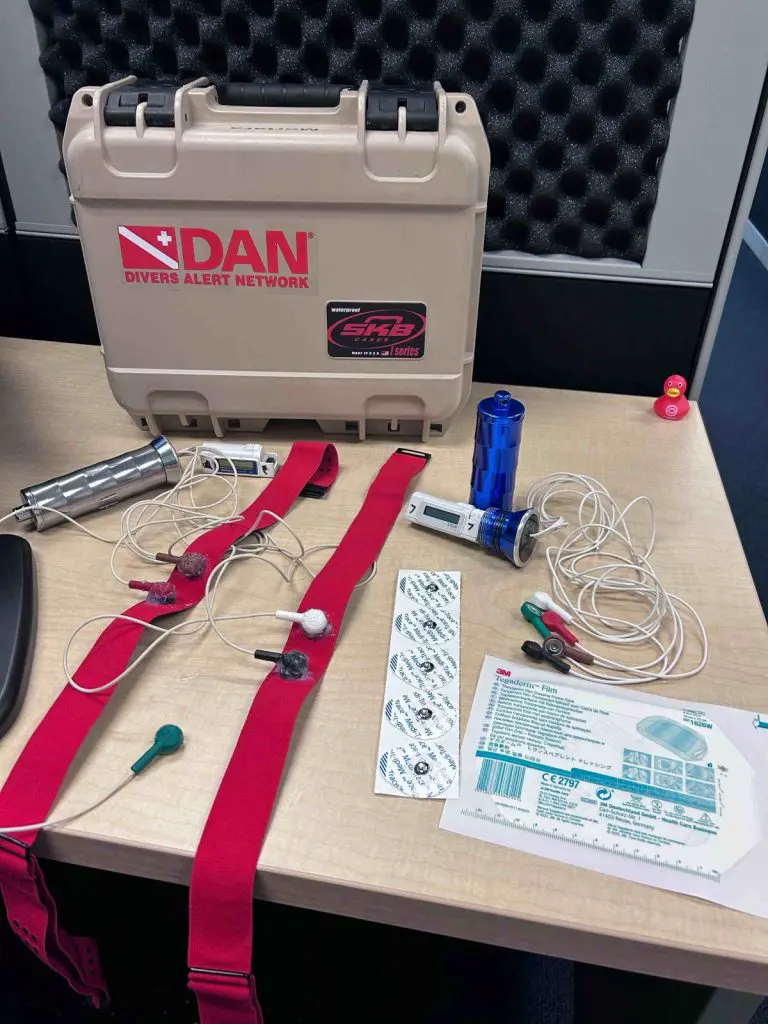
Obviously we know that you shouldn’t take your phone on a dive as it isn’t designed to handle the pressure, but that’s why submersible housings exist to give your phone the protection it needs. Underwater photographers know all about this as they bravely enclose their $10k camera setup in a box of polycarbonate and aluminium to hopefully stave off the water trying so desperately to “gift” them a new paperweight. Some of you might inquire as to why someone would be willing to risk thousands of dollars worth of special equipment underwater, and I asked myself the same thing as I clipped my team’s custom made, waterproof (hopefully) EKG sensor setup to my BCD and stepped into the murky waters of Mystery Lake Scuba park just east of the Divers Alert Network HQ in Durham, NC.
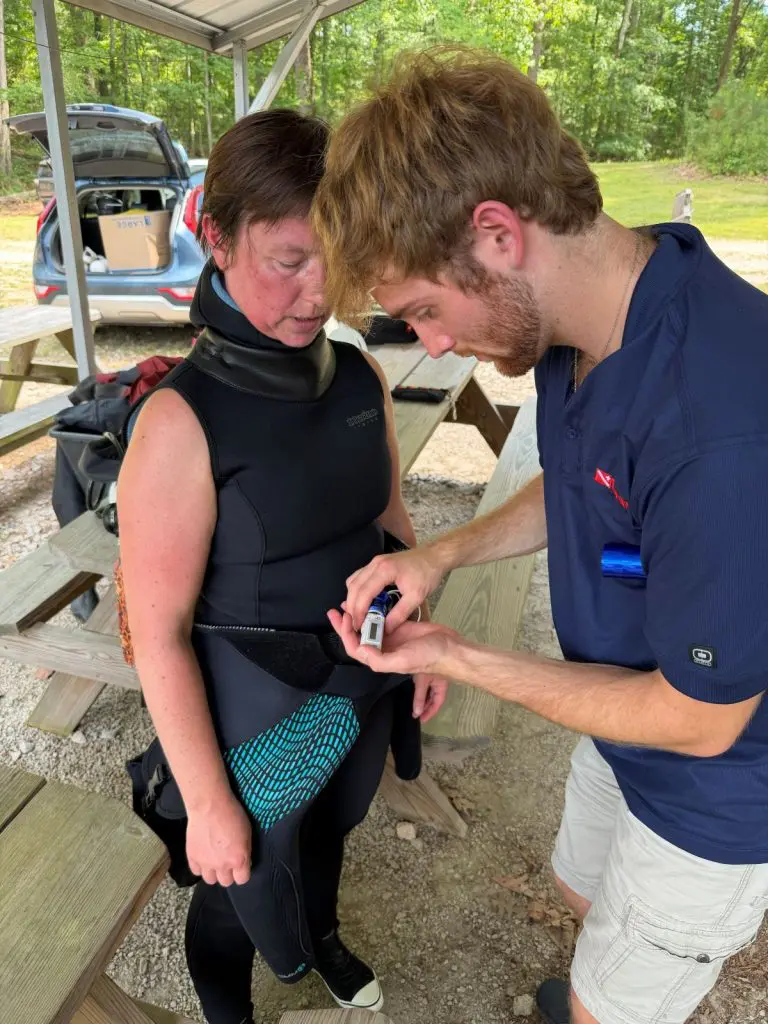
The answer to that ever-present question is that there is data to collect! The focus of my summer here at DAN has been on underwater electrocardiography and pulse oximetry as it relates to the validation of a prototype integrated monitoring system in collaboration with a team at NIRSense. Under the oversight of Dr. Frauke Tillmans at DAN and Dr. Robert Furberg at NIRSense, I have been heavily involved with the testing and deployment of various sensor systems in our favorite austere environment, diving!
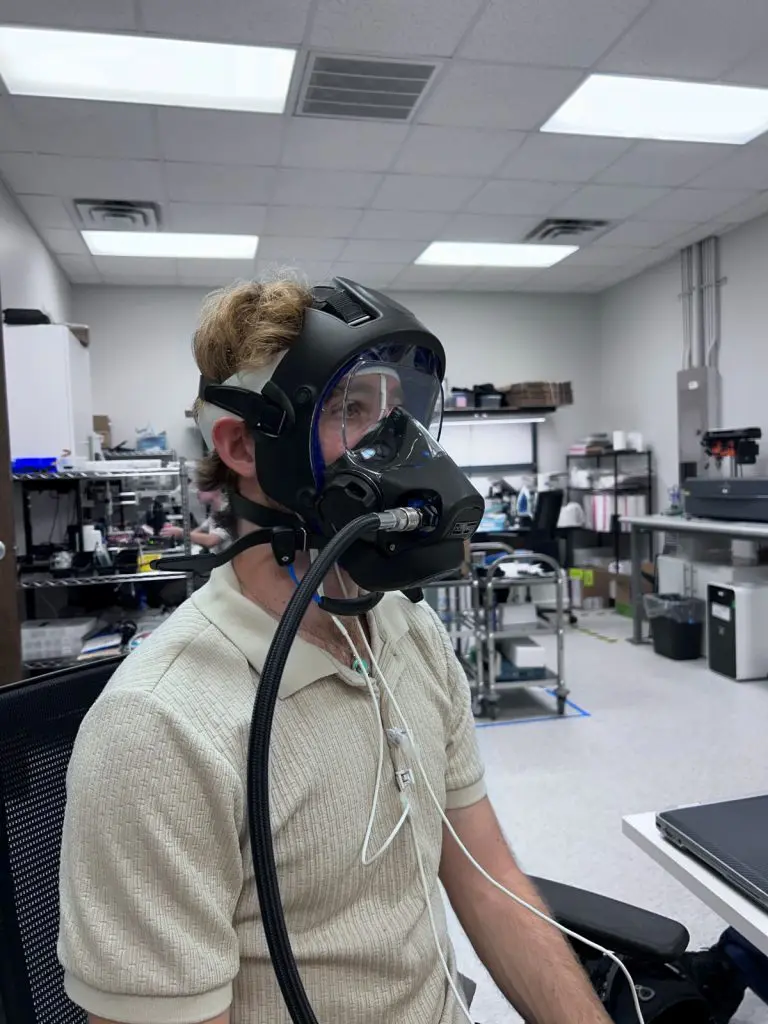
At the time of writing, we are in the process of developing a housing for an oximeter so that it can be taken underwater in conjunction with a full face mask for collection of SpO2 data from the Nasal Alar in various dive environments.
Most of the summer has been spent learning how to deploy, waterproof, and read electrocardiograms in the form of Holter Monitors. I’ve spent many hours on the surface and underwater with a variety of EKG sensors strapped to mine or my cohort’s chests. From traditional AgCl electrodes, Garmin HR monitors, custom dry electrodes, and a custom built in-house sensor array, I have spent many days collecting data to validate the efficacy of our custom sensors and to try and find more efficient methods to collect EKG data underwater (while only flooding one or two housings along the way).
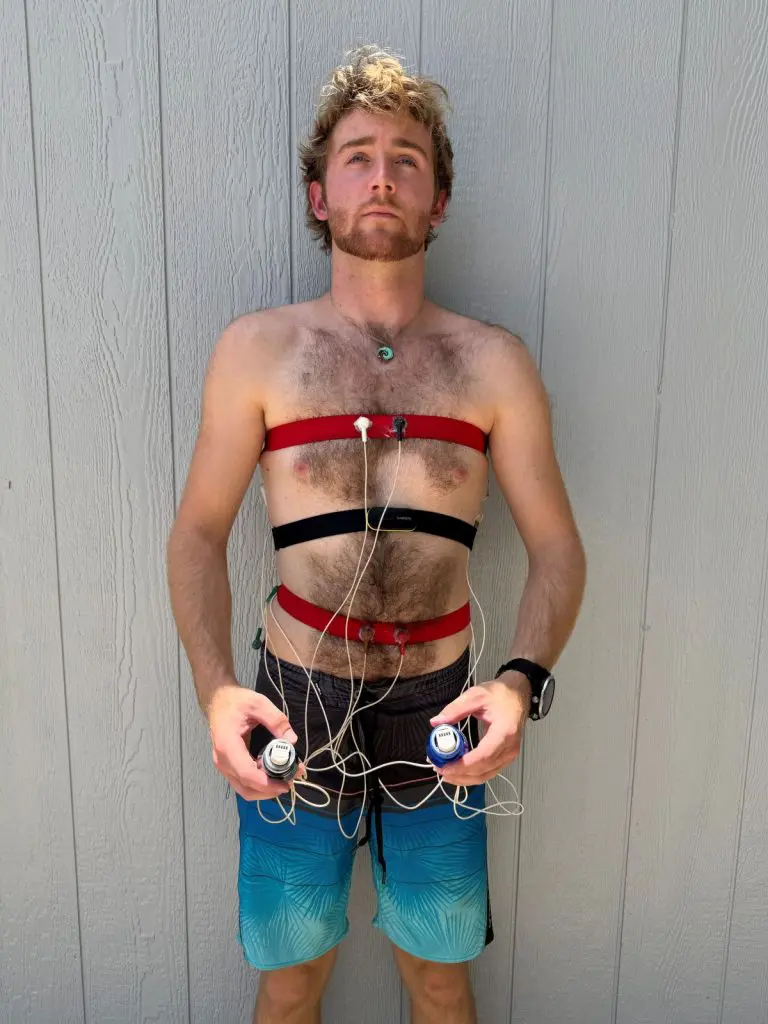
Photo credit: Robert Furberg
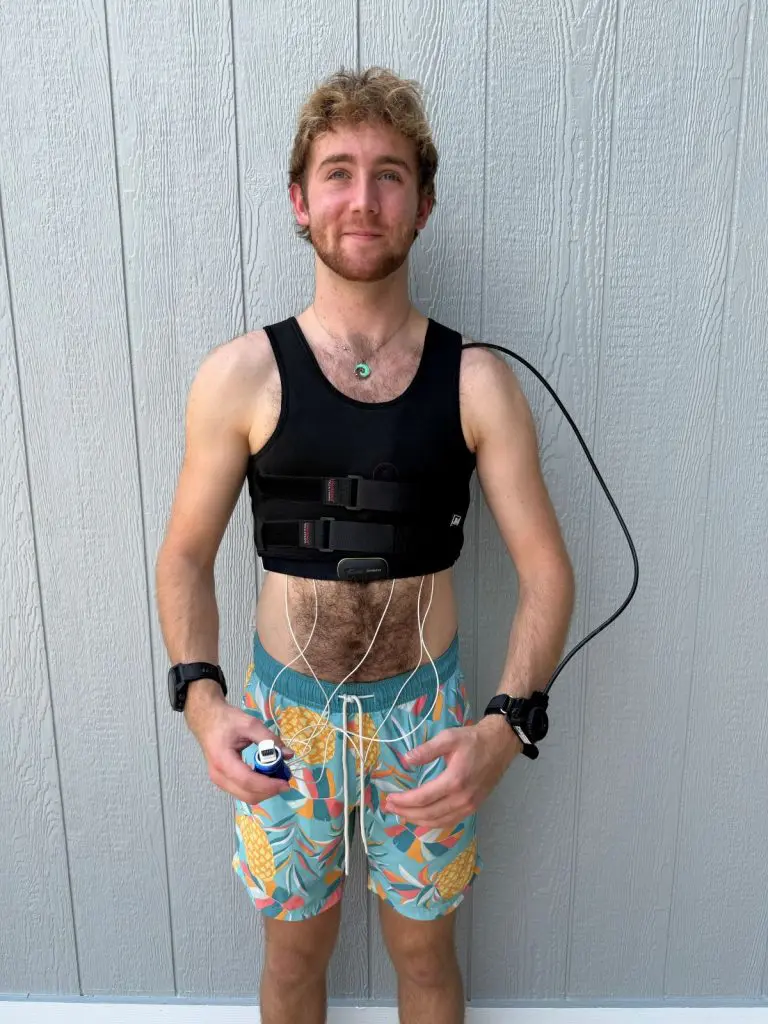
All of this time has been spent testing new ways of collecting physiological data underwater so that we can try and optimize the methods used in dive medicine to change a traditionally “before and after” science into a live-data “in the moment” science. The ability to collect physiological data during unrestricted dives across various profiles gives researchers a better insight into the effects of diving on the body during the activity, not just before and after, which can lead to better guidelines and improve diver safety.
This summer has been such an amazing experience which has broadened my skills as a researcher and diver. I cannot thank everyone at the Divers Alert Network and NIRSense enough for their contributions to this opportunity, and special thanks are in order for my two wonderful principal investigators Robert and Frauke! I will carry this experience with me into the future as I continue my path into diving and physiological research.